Title: How To Fix Write Protected USB Format in Windows
Title: How To Fix Write Protected USB Format in Windows
Introduction:
When you encounter a "write protected" issue while trying to format a USB drive in Windows, it means your computer has been prevented from making changes to the device. This protection acts like a digital lock that stops you from deleting, modifying, or formatting files on the drive. While this feature is designed to protect your data from accidental deletion or malware, it can be frustrating when you need to format the drive for reuse.
This issue typically occurs in several common scenarios: when the USB drive has a physical lock switch that's been engaged, when the drive has reached the end of its lifespan and is in read-only mode to preserve existing data, when Windows detects potential file system corruption, or when group policy settings on your computer restrict USB usage. You might also see specific issue codes like "The disk is write protected" or "Media is write protected" during format attempts.
The write protection issue affects all modern Windows versions, including Windows 10, Windows 11, and earlier versions like Windows 8.1 and Windows 7. While this issue prevents you from formatting or saving new files to the USB drive, it doesn't affect your computer's overall functionality or other connected devices.
The good news is that this problem is almost always resolvable through various troubleshooting methods. Whether the protection is physical, software-based, or due to drive limitations, there are multiple approaches you can take to remove the write protection and successfully format your USB drive for continued use.
PREPARATION STEPS (Professional Guidance)
Before attempting to resolve write protection issues on a USB drive, take these preparatory measures to ensure system safety and data preservation:
1. Create a System Restore Point
- Open Start Menu, type "Create a restore point," and select the option. In System Properties, click "Create," name it (e.g., "Pre-USB Resolve"), and confirm.
- Purpose: Safeguards your system configuration, allowing restoration if changes cause instability.
2. Back Up Important Data from the USB Drive
- Copy all accessible files from the USB to a secure location on your computer or cloud storage.
- Purpose: Prevents permanent data loss if formatting or repair steps are required.
3. Temporarily Disable Antivirus and Security Software
- Open your antivirus software (e.g., Windows Security, third-party tools), navigate to protection settings, and temporarily disable real-time scanning or device control features.
- Purpose: Eliminates interference from security software that may impose artificial write protection.
4. Verify USB Hardware Write-Protection Switch
- Physically inspect the USB drive for a sliding lock switch; if present, ensure it is in the unlocked position.
- Purpose: Confirms the issue is not due to a simple mechanical lock.
STEP-BY-STEP FIXES (Technical Precision)
Solution 1: Use DiskPart to Remove Write Protection
1. Press `Win + X` and select "Windows PowerShell (Admin)" or "Command Prompt (Admin)."
2. Type the following commands, pressing Enter after each:
   ```cmd
   diskpart
   list disk
   ```
3. Identify your USB drive by size (e.g., Disk 1), then enter:
   ```cmd
   select disk 1
   attributes disk clear readonly
   ```
4. Exit DiskPart and restart your computer:
   ```cmd
   exit
   ```
Warning: Selecting the wrong disk may result in data loss on other drives.
Solution 2: Modify Registry to Disable Write Protection
1. Press `Win + R`, type `regedit`, and press Enter.
2. Navigate to:
   ```
   HKEY_LOCAL_MACHINE\SYSTEM\CurrentControlSet\Control\StorageDevicePolicies
   ```
3. If the `WriteProtect` value exists, double-click it and set its value to `0`. If the key doesn’t exist, create it (right-click Control > New > Key) and add a DWORD named `WriteProtect` with value `0`.
4. Close Registry Editor and restart your computer.
Warning: Incorrect registry edits can cause system instability; proceed with caution.
Solution 3: Format via Disk Management (If Data Backup Is Complete)
1. Press `Win + X` and select "Disk Management."
2. Locate your USB drive, right-click its partition, and select "Format."
3. Choose a file system (e.g., NTFS or FAT32), uncheck "Perform a quick format" for thorough correction, and confirm.
4. If formatting fails due to write protection, return to Solution 1 or 2 first.
ADVANCED SOLUTION OPTION (Professional Recommendation)
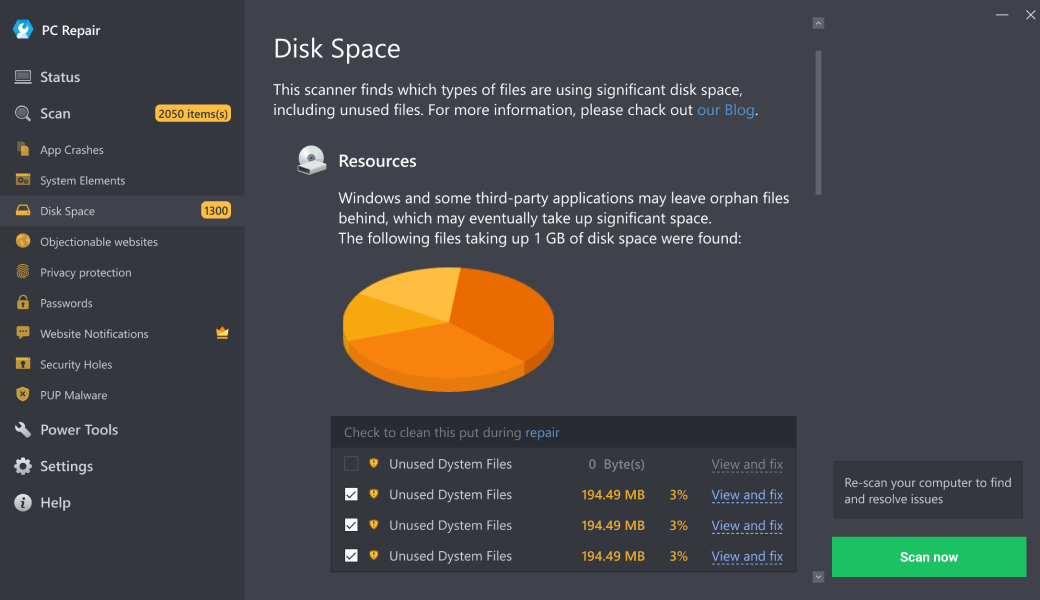
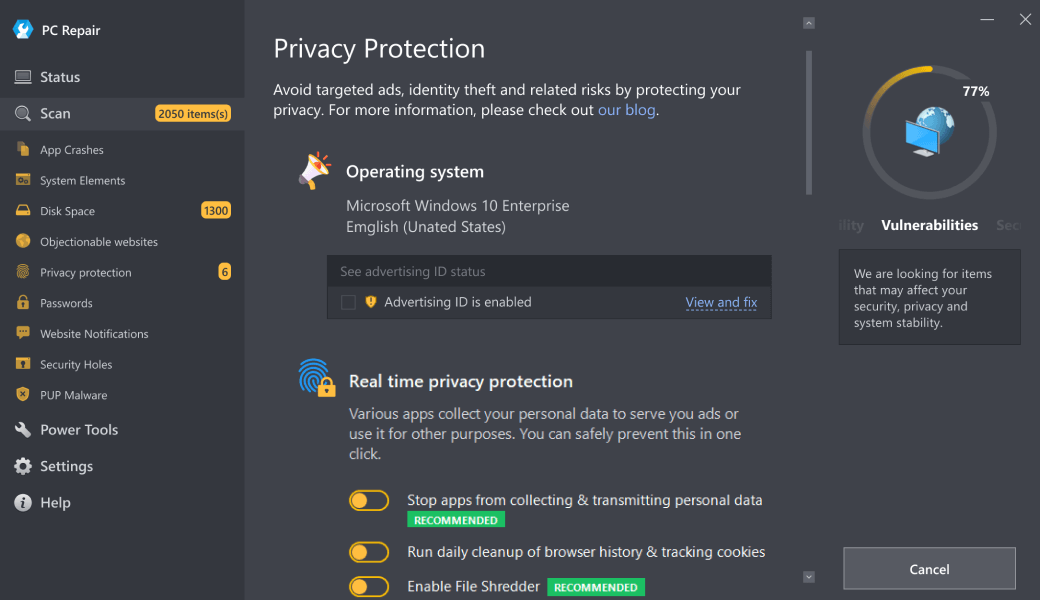
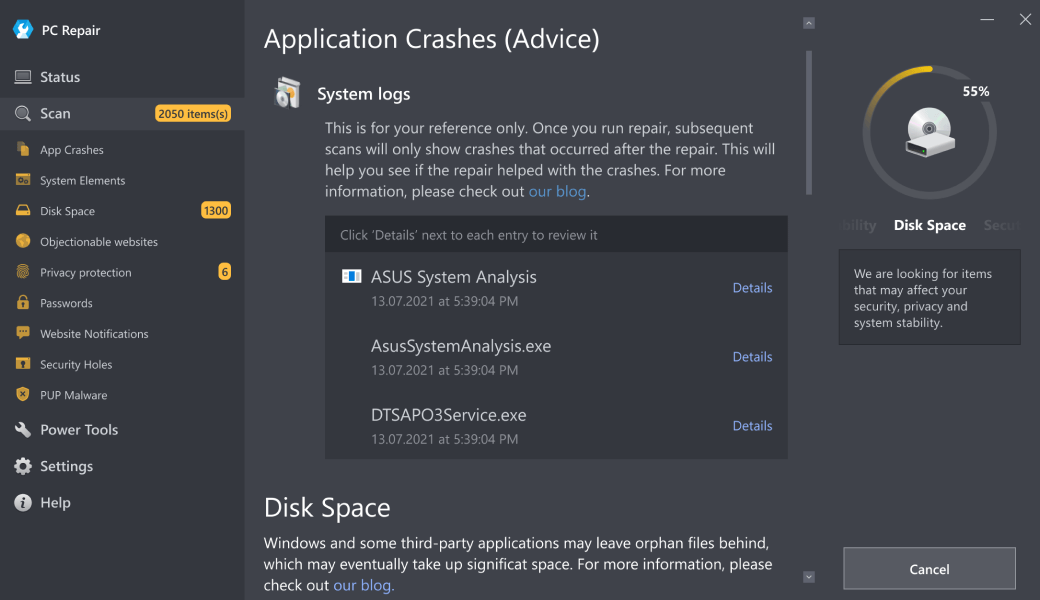
For users encountering persistent or complex write protection issues—such as those stemming from corrupted system files, deep-seated registry issues, or undiagnosed driver conflicts—an automated repair tool can provide an efficient and comprehensive resolution. Outbyte PC Repair is a professional-grade utility designed to address such scenarios systematically; it performs issue resolution across system components, optimizes performance by cleaning redundant files and resolving registry inconsistencies, and maintains overall system health through structured scans and repairs. This approach is particularly valuable when manual methods prove insufficient or when time constraints necessitate a reliable, all-in-one solution without extensive technical intervention.
Download Outbyte PC Repair for automated issue diagnosis and repair (compatible with Windows 8/10/11).Special offer. See more information about Outbyte; uninstall instructions; EULA; Privacy Policy.
MAIN CAUSES
1. Physical Write-Protection Switch
Many USB drives, particularly older models and SD card adapters, feature a physical sliding switch on the housing that enables hardware-level write protection. When engaged, this switch prevents any modifications to the drive's contents, including formatting operations. This hardware lock overrides all software commands, making the drive read-only regardless of operating system or formatting tools used.
2. Registry Write-Protection Settings
Windows maintains registry entries that can enforce write protection on removable media. The "StorageDevicePolicies" key (located at HKEY_LOCAL_MACHINE\SYSTEM\CurrentControlSet\Control\StorageDevicePolicies) contains a "WriteProtect" value that, when set to 1, applies system-wide write protection to all USB devices. This setting may be configured by group policies, security software, or previous user modifications.
3. File System Corruption or Bad Sectors
Logical issues within the USB drive's file system structure can trigger automatic write protection as a protective measure. When Windows detects file system inconsistencies, unreadable sectors, or potential data corruption, it may mount the drive in read-only mode to prevent further data loss. The NTFS file system journal or FAT table damage are common culprits for this behavior.
4. Malware Infection or Security Software Intervention
Security applications, including antivirus programs and endpoint protection systems, may impose temporary write protection when they detect suspicious activity or potential malware on removable media. Similarly, actual malware infections can lock USB drives to prevent removal or modification of malicious files. Some ransomware variants specifically employ write protection as part of their attack methodology.
5. Insufficient User Permissions
The current Windows user account may lack necessary permissions to modify the USB drive. This can occur when using standard user accounts instead of administrator accounts, or when previous security settings have restricted write access to removable storage devices. The security permissions inherited from the drive's file system can also block formatting operations.
6. Drive Hardware Failure or Wear
As USB flash memory approaches its program/erase cycle limits (typically several thousand cycles), the controller may automatically enable write protection to prevent data loss from failing memory cells. Physical damage to the memory controller or NAND flash chips can also trigger permanent write protection states that cannot be reversed through software methods.
7. Third-Party Software Conflicts
Background applications managing removable storage—including encryption software, backup utilities, or device management tools—can maintain open handles to the USB drive that interfere with formatting operations. These software conflicts often manifest as write protection issues even when no actual protection is enabled at the hardware level.
CONCLUSION
Maintaining reliable USB storage functionality requires consistent system maintenance and proper handling of removable media. The write protection issue serves as an important reminder that both hardware and software factors contribute to storage device performance and accessibility. Regular system upkeep can prevent many common USB issues while ensuring your computer operates efficiently for daily computing tasks.
Implementing a structured maintenance routine significantly reduces the likelihood of storage-related problems. Begin with regular disk cleanup operations to remove temporary files and system clutter that can interfere with device recognition. Schedule weekly antivirus scans to detect and remove malware before it can compromise your storage devices. Keep your Windows operating system updated with the latest patches and drivers, as Microsoft frequently addresses storage controller and USB compatibility issues in updates. Periodically check your system's registry for erroneous entries, though exercise caution when modifying registry values. Use the Windows Disk Management utility to verify drive status and partition integrity before attempting formatting operations.
For comprehensive system maintenance, consider utilizing dedicated PC optimization tools like Outbyte PC Repair, which can automatically identify and resolve common system conflicts, registry issues, and driver issues that may affect USB functionality. These tools provide systematic approaches to maintaining system health beyond what manual methods can efficiently accomplish.
When troubleshooting persistent USB issues, methodically work through potential causes starting with physical switches and progressing to software configurations. If standard formatting methods consistently fail despite troubleshooting efforts, this may indicate underlying hardware failure requiring professional data recovery services or drive replacement. Remember that reliable storage operation is fundamental to productivity—whether for work documents, personal files, or system backups. Establishing proactive maintenance habits ensures your computing environment remains stable and your data accessible when needed most. For complex system-level issues beyond basic troubleshooting, don't hesitate to consult IT professionals who can provide specialized diagnostic services and solutions tailored to your specific computing environment.

| Trial limitation: | Category-based repair access for at least 2 days |
| Price (full version): | From $29.95 |

The following steps should resolve the write-protected-usb-format issue:
- Step 1. Download Outbyte PC Repair application See more information about Outbyte; uninstall instructions; EULA; Privacy Policy.
- Step 2. Install and launch the application
- Step 3. Click the Scan Now button to detect issues and abnormalities
- Step 4. Click the Repair All button to resolve the issues
| Compatibility | Win 11, 10, 8 |
| Download Size | 28 MB |
| Requirements | 300 MHz Processor, 256 MB RAM, 101 MB disk space |
Limitations: The trial version offers unlimited scans, backups, and restores. Full version registration starts at $29.95.

Outbyte PC Repair (version 1.1.12.641) is certified by AppEsteem – a trusted cybersecurity organization – with ongoing monitoring.
Being able to meet all of AppEsteem’s strict requirements means that Outbyte PC Repair can be considered clean, safe, and transparent; and that it is compliant with the ethical and legal norms of distribution.
AppEsteem is one of the world’s most prominent cybersecurity organizations that contributes to the safety of more than 2 billion users. The company was founded by a team of experienced Microsoft cybersecurity specialists. Its mission is to create a safe space for computer and internet users where they are protected against cyber threats and deceptive or unethical practices.