How To Fix windows update bluetooth missing in Windows
How To Fix windows update bluetooth missing in Windows
If you've recently updated your Windows computer and discovered that your Bluetooth functionality has disappeared, you're experiencing a common issue known as "Windows update Bluetooth missing." This problem occurs when a Windows update either fails to properly install Bluetooth drivers or installs incompatible ones, causing your system to lose the ability to detect and use Bluetooth devices.
This issue typically appears after installing major Windows updates, particularly feature updates or cumulative updates that affect system drivers. You might notice that the Bluetooth toggle has vanished from your Settings menu, Bluetooth devices won't connect, or you see issue messages like "Bluetooth isn't available" or issue codes such as Code 43 in Device Manager. This issue affects various Windows versions, including Windows 10 and Windows 11, and can be particularly frustrating for users who rely on wireless headphones, keyboards, mice, or other Bluetooth peripherals for their daily computing needs.
When Bluetooth goes missing after an update, it doesn't mean your hardware is broken—it simply indicates a software or driver conflict. The impact ranges from minor inconvenience to significant disruption, especially if you depend on Bluetooth for essential peripherals. The good news is that this is typically a software-related issue that can be resolved through systematic troubleshooting steps. In the following sections, we'll guide you through practical solutions to restore your Bluetooth functionality and prevent similar issues in the future.
PREPARATION STEPS
Before addressing the missing Bluetooth issue after a Windows update, please complete these preparatory measures to ensure system safety and restore capability:
1. Create a System Restore Point
- Open Start Menu, type "Create a restore point" and select it
- Click "Configure" → Enable system protection if disabled
- Click "Create" and name it "Pre-Bluetooth Resolve"
- *Purpose:* Allows rollback to this system state if modifications cause instability
2. Back Up Critical Data
- Copy important documents, photos, and profiles to an external drive or cloud storage
- Verify backup integrity before proceeding
- *Purpose:* Protects against potential data loss during troubleshooting
3. Temporarily Disable Antivirus/Firewall
- Open Windows Security via Start Menu
- Navigate to "Virus & threat protection" → Manage settings
- Temporarily toggle "Real-time protection" to Off
- *Purpose:* Prevents security software from interfering with driver installations or system repairs
4. Document Current Driver Versions
- Open Device Manager (Win+X → Device Manager)
- Note current Bluetooth driver versions under "Bluetooth"
- *Purpose:* Provides reference points for driver restoration if needed
STEP-BY-STEP FIXES
Method 1: Reinstall Bluetooth Drivers
1. Press Win+X and select "Device Manager"
2. Expand "Bluetooth" category, right-click all entries → "Uninstall device"
3. Check "Delete the driver software for this device" if available
4. Restart your computer (Windows will attempt automatic reinstallation)
5. If Bluetooth doesn't reappear, visit manufacturer website for latest drivers
6. Install drivers using administrator privileges
Method 2: Run Windows Update Troubleshooter
1. Open Settings → Update & Security → Troubleshoot
2. Select "Additional troubleshooters"
3. Run "Windows Update" and "Hardware and Devices" troubleshooters
4. Apply all recommended resolves
5. Restart system and check Device Manager for Bluetooth
Method 3: Manual Service and Registry Check
1. Press Win+R, type `services.msc`
2. Locate and verify these services are Running and set to Automatic:
- Bluetooth User Support Service
- Bluetooth Audio Gateway Service
3. Press Win+R, type `regedit`
4. Navigate to:
```
HKEY_LOCAL_MACHINE\SYSTEM\CurrentControlSet\Services\BTHPORT
```
5. Verify "Start" value is set to 3 (Manual)
6. Restart computer after modifications
*Warning: Registry editing can cause system instability if done incorrectly. Export backup before making changes.*
ADVANCED SOLUTION OPTION
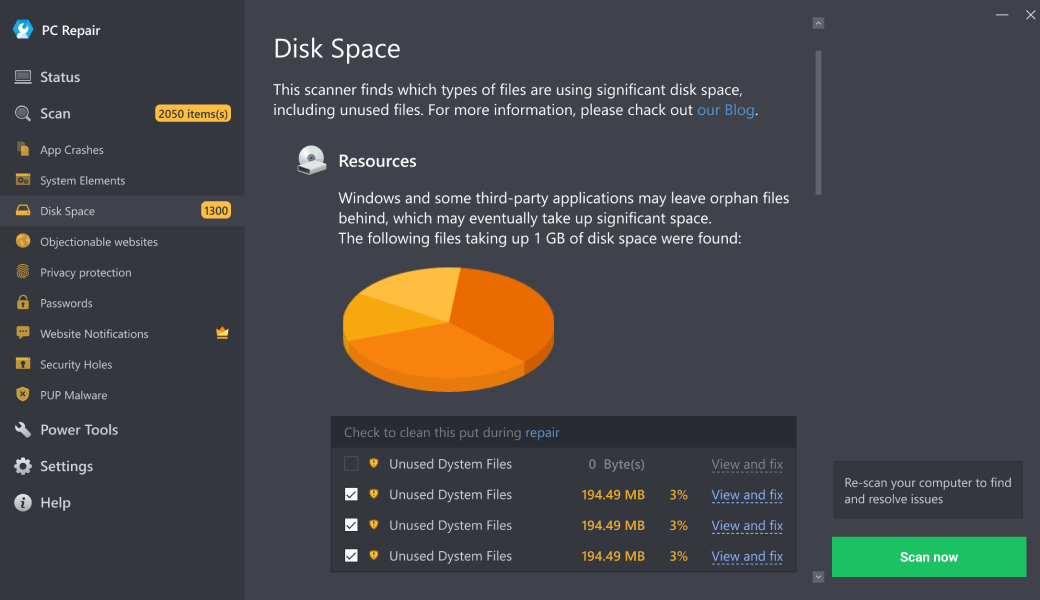
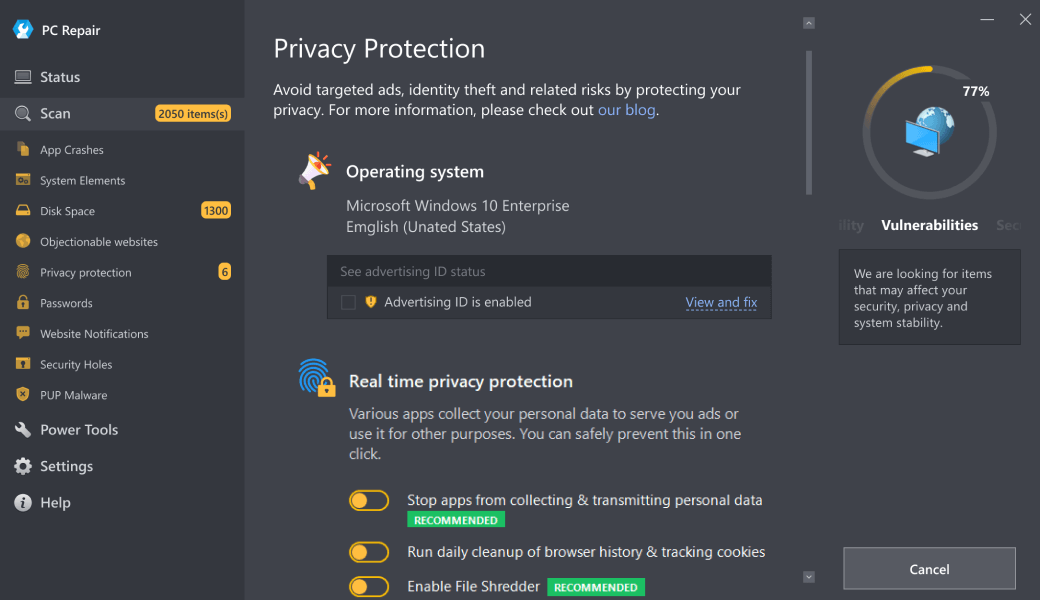
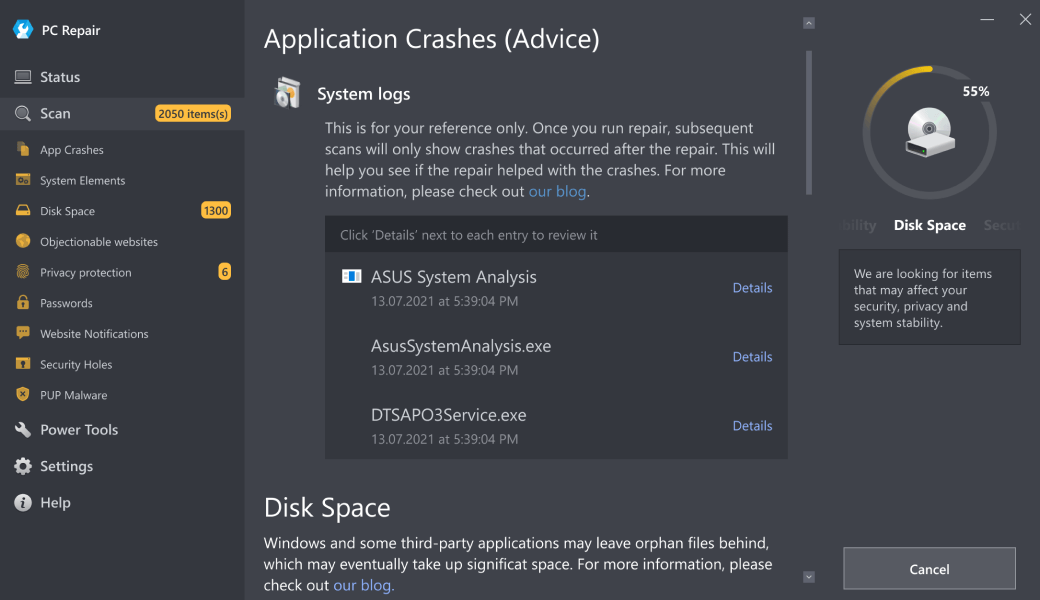
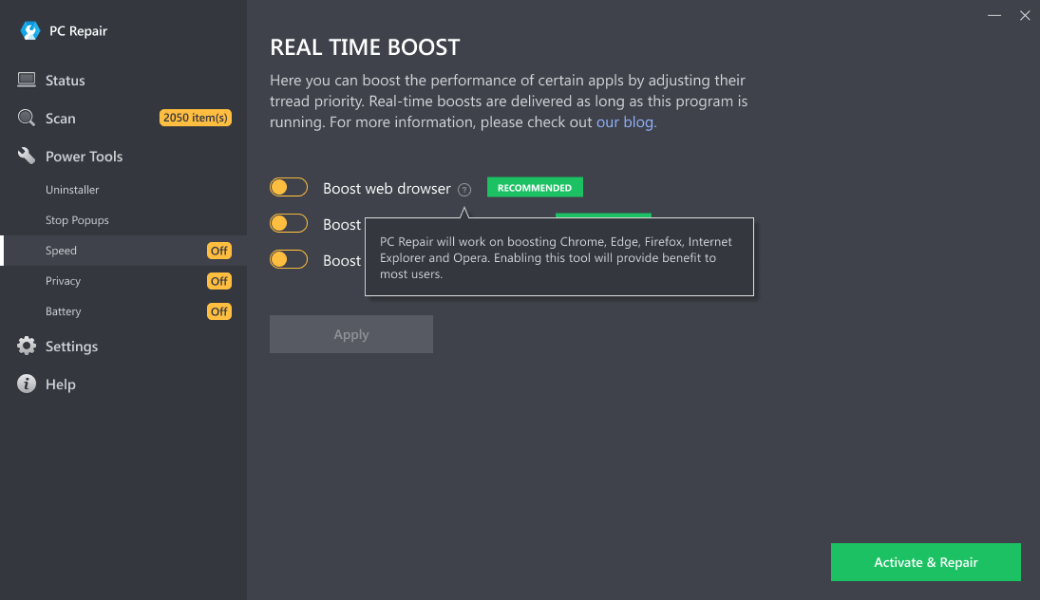
For persistent Bluetooth connectivity issues following Windows updates, automated repair tools become valuable when manual methods prove insufficient or time-consuming. Outbyte PC Repair provides a professional-grade solution that systematically addresses complex driver conflicts, registry issues, and system file corruption that can cause hardware components like Bluetooth to disappear from the system. The utility performs comprehensive scanning to identify update-related compatibility issues, automatically repairs corrupted system files, optimizes performance settings affected by recent updates, and restores proper hardware functionality through its driver management module. This approach is particularly effective for users requiring efficient resolution without advanced technical expertise, while maintaining overall system health through structured maintenance protocols rather than isolated resolves.
Download Outbyte PC Repair for automated issue diagnosis and repair (compatible with Windows 8/10/11).Special offer. See more information about Outbyte; uninstall instructions; EULA; Privacy Policy.
MAIN CAUSES
1. Driver Corruption or Incompatibility
Windows Update may install generic or incompatible Bluetooth drivers that conflict with your hardware. Driver files can become corrupted during installation, causing the system to fail to detect Bluetooth hardware properly. This often occurs when Windows attempts to use universal drivers rather than manufacturer-specific versions optimized for your device's chipset.
2. Hardware Detection Failure
The system's hardware detection services may fail to recognize Bluetooth components after updates. Windows uses Plug and Play services and device enumeration processes to identify hardware. If these services are interrupted or malfunctioning, Bluetooth devices won't appear in Device Manager or Settings, even though the physical hardware remains functional.
3. Service Disruption
Critical system services required for Bluetooth operation may be disabled or malfunctioning. The Bluetooth Support Service (BthServ) and related services must run automatically for Bluetooth functionality. Windows Updates can sometimes reset service configurations or create dependencies that prevent these services from starting correctly.
4. Registry Corruption
Windows registry entries containing Bluetooth configuration and hardware information may become corrupted. The registry stores vital information about installed drivers, hardware IDs, and service configurations. Damaged or missing registry keys can prevent the system from properly initializing Bluetooth components after system updates.
5. BIOS/UEFI Settings Reset
System firmware settings may be reset during major Windows updates, disabling integrated Bluetooth hardware. Many modern computers have Bluetooth functionality controlled through BIOS/UEFI settings. If these settings revert to defaults or become corrupted, the hardware may be disabled at the firmware level, making it inaccessible to the operating system.
6. Feature Update Complications
Major Windows feature updates can sometimes remove or disable certain hardware functionalities. These comprehensive updates may deprecate older Bluetooth protocols or drivers, requiring updated software that may not install correctly during the update process, leaving the system without functional Bluetooth support.
CONCLUSION
Maintaining consistent Bluetooth functionality requires proactive system management and regular maintenance practices. The disappearance of Bluetooth capabilities following Windows updates typically indicates underlying system configuration issues that can be prevented through diligent computer care. Regular maintenance not only preserves hardware functionality but also ensures overall system stability and performance.
Implement a comprehensive maintenance routine that includes weekly driver updates using manufacturer-approved sources, monthly disk cleanup operations to remove temporary files, and quarterly registry integrity checks. Schedule regular system file verification using the System File Checker utility (sfc /scannow) to identify and repair corrupted system files before they cause hardware detection issues. Maintain updated system restore points before installing major updates, providing reliable fallback options when update-related problems occur.
For users seeking automated maintenance solutions, tools like Outbyte PC Repair can help streamline these processes by automatically identifying driver conflicts, cleaning unnecessary files, and optimizing system performance. However, even with automated tools, manual verification of critical hardware functionality after updates remains essential.
When Bluetooth issues persist despite basic troubleshooting—including driver reinstallation, service restarts, and power management adjustments—consider seeking professional technical assistance. Persistent hardware detection problems may indicate deeper system issues requiring advanced diagnostic tools. Remember that reliable computing depends on both software stability and hardware functionality; investing time in regular maintenance prevents productivity disruptions and ensures your system remains fully operational for daily tasks. Establish a consistent maintenance schedule that aligns with your usage patterns to minimize unexpected functionality losses and maintain optimal system performance throughout your device's lifespan.
| Trial limitation: | Category-based repair access for at least 2 days |
| Price (full version): | From $29.95 |

The following steps should resolve the windows-update-bluetooth-missing issue:
- Step 1. Download Outbyte PC Repair application See more information about Outbyte; uninstall instructions; EULA; Privacy Policy.
- Step 2. Install and launch the application
- Step 3. Click the Scan Now button to detect issues and abnormalities
- Step 4. Click the Repair All button to resolve the issues
| Compatibility | Win 11, 10, 8 |
| Download Size | 28 MB |
| Requirements | 300 MHz Processor, 256 MB RAM, 101 MB disk space |
Limitations: The trial version offers unlimited scans, backups, and restores. Full version registration starts at $29.95.

Outbyte PC Repair (version 1.1.12.641) is certified by AppEsteem – a trusted cybersecurity organization – with ongoing monitoring.
Being able to meet all of AppEsteem’s strict requirements means that Outbyte PC Repair can be considered clean, safe, and transparent; and that it is compliant with the ethical and legal norms of distribution.
AppEsteem is one of the world’s most prominent cybersecurity organizations that contributes to the safety of more than 2 billion users. The company was founded by a team of experienced Microsoft cybersecurity specialists. Its mission is to create a safe space for computer and internet users where they are protected against cyber threats and deceptive or unethical practices.