How To Fix Windows Stop Code in Windows
How To Fix Windows Stop Code in Windows
When your computer suddenly displays a blue screen with a "Windows Stop Code" issue, it means Windows has encountered a critical system issue that it cannot recover from without restarting. These issues, commonly known as Blue Screen of Death (BSOD) issues, occur when Windows detects a problem serious enough to require shutting down immediately to prevent potential damage to your system or data loss.
These stop code issues can appear during various activities - while starting up your computer, installing new software or drivers, running demanding applications, or even during regular use when system resources become overloaded. They affect all modern versions of Windows, including Windows 10 and Windows 11, though the specific issue codes and their frequency may vary between versions. When this issue occurs, your computer will automatically collect diagnostic information and restart, which may result in unsaved work being lost. The good news is that most stop code issues are temporary and resolvable through systematic troubleshooting steps. Common related issue codes you might encounter include CRITICAL_PROCESS_DIED, SYSTEM_SERVICE_EXCEPTION, or IRQL_NOT_LESS_OR_EQUAL, among others. While seeing the blue screen can be concerning, these issues are Windows' way of protecting your system from more serious damage, and with the right approach, you can typically resolve the underlying issue and return to normal computer use.
PREPARATION STEPS
Before addressing a Windows Stop Code issue, it is essential to prepare your system to prevent data loss and ensure a safe troubleshooting environment. Follow these preparatory measures:
1. Create a System Restore Point
- Press `Win + R`, type `sysdm.cpl`, and press Enter.
- Go to the "System Protection" tab, select your system drive, and click "Create."
- Name the restore point descriptively (e.g., "Pre-StopCodeFix") and confirm.
- Purpose: Allows you to revert system changes if modifications worsen the issue.
2. Back Up Critical Data
- Copy essential files (documents, photos, etc.) to an external drive or cloud storage.
- Use built-in tools like File History or Backup and Restore for comprehensive backups.
- Purpose: Safeguards personal data against potential system instability or data loss during repairs.
3. Temporarily Disable Antivirus Software
- Open your antivirus program from the system tray or Start menu.
- Locate and select "Disable" or "Turn Off" (options may vary; commonly found under "Settings" or "Protection").
- Choose a temporary duration (e.g., 1 hour) and confirm.
- Purpose: Prevents antivirus interference with diagnostic tools or system repairs, which can trigger or exacerbate Stop Code issues.
4. Ensure Adequate Power Supply (for Laptops)
- Connect the device to a power source and verify battery charge is above 50%.
- Purpose: Prevents unexpected shutdowns during updates or repairs, which could cause further system corruption.
STEP-BY-STEP FIXES
If you encounter a Windows Stop Code issue, apply these manual solutions in sequence:
Method 1: Run System File Checker (SFC)
1. Open Command Prompt as Administrator (search "cmd," right-click, and select "Run as administrator").
2. To check and repair system files, enter:
   ```cmd
   sfc /scannow
   ```
3. Allow the process to complete; it may take several minutes.
4. Restart your system and check if the issue persists.
Method 2: Use Deployment Image Servicing and Management (DISM)
1. Launch Command Prompt as Administrator.
2. To repair the Windows image, run:
   ```cmd
   DISM /Online /Cleanup-Image /RestoreHealth
   ```
3. Wait for the operation to finish—do not interrupt it.
4. Reboot the computer and test stability.
Method 3: Update or Roll Back Device Drivers
1. Press `Win + X` and select "Device Manager."
2. Expand categories (e.g., Display adapters, Network adapters) and right-click on devices.
3. Choose "Update driver" and follow prompts; if issues persist, select "Uninstall device" (restart to reinstall) or "Roll back driver" if available.
4. Warning: Incorrect driver changes may cause hardware malfunctions; proceed cautiously and consider creating a restore point first.
ADVANCED SOLUTION OPTION
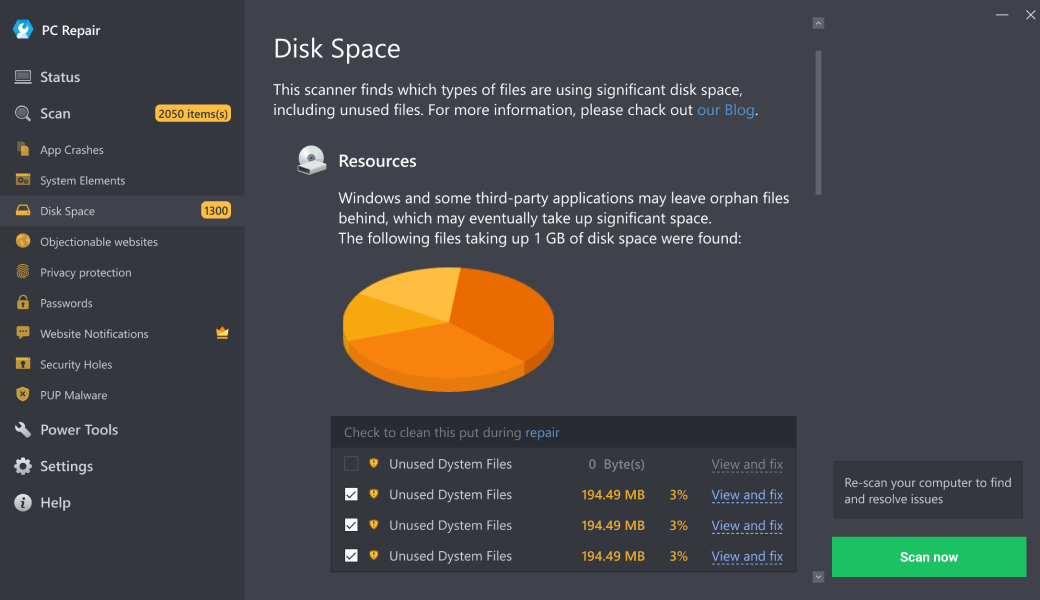
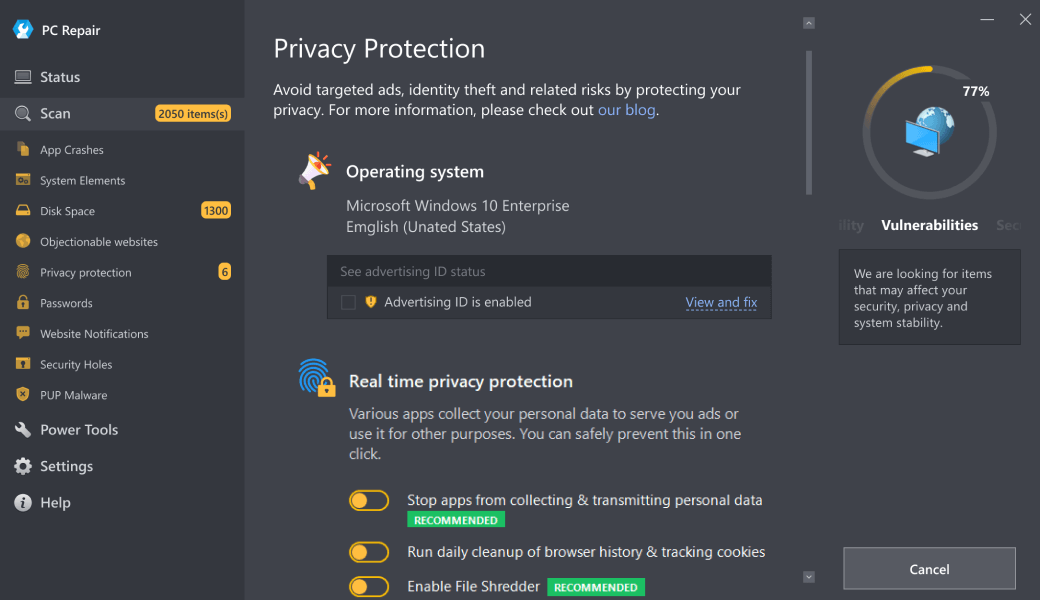
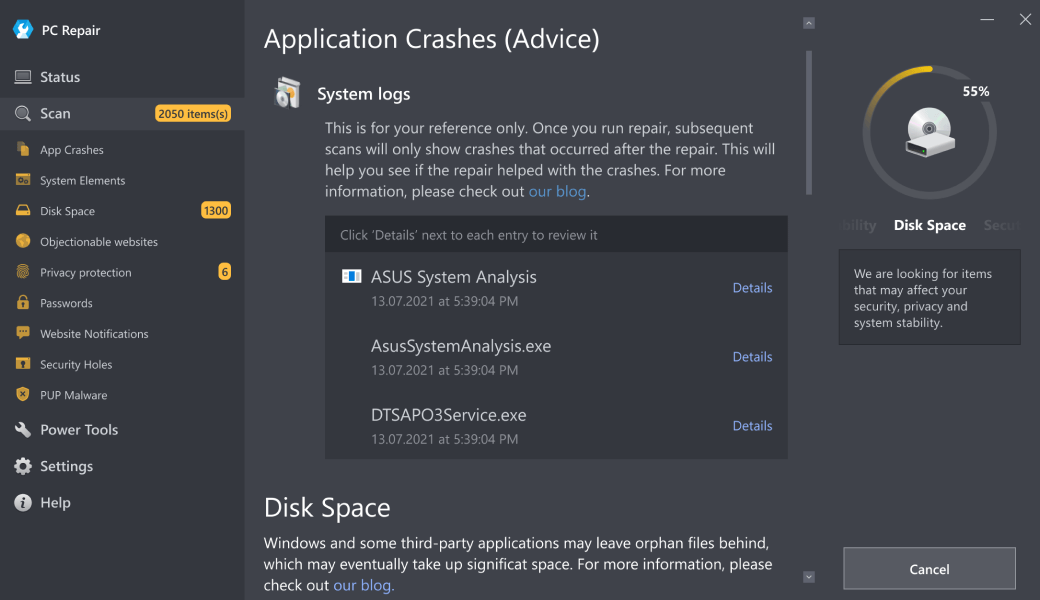
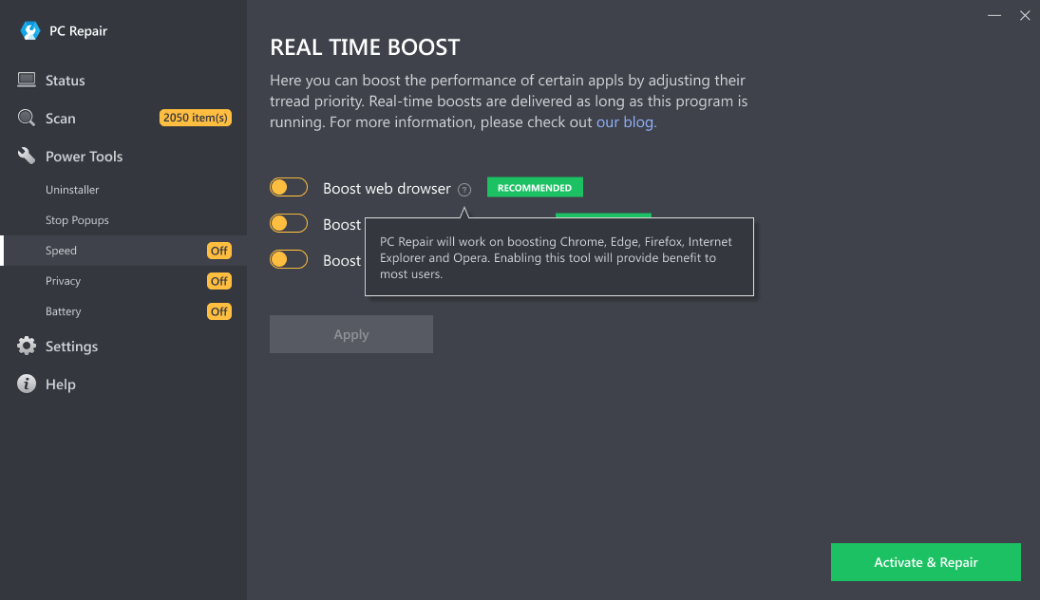
For users facing persistent or complex Stop Code issues that manual methods fail to resolve, automated repair tools offer a streamlined alternative. Outbyte PC Repair is a professional-grade utility designed to diagnose and rectify underlying system issues efficiently. It addresses corrupted files, registry issues, and performance bottlenecks through systematic scanning and repair processes. This tool is particularly suitable for individuals seeking time-efficient resolutions without deep technical involvement, providing comprehensive system maintenance to enhance stability and operational health. Its features include automated issue resolution, optimization of system resources, and proactive monitoring to prevent recurrence, making it a reliable option for maintaining long-term system integrity.
Download Outbyte PC Repair for automated issue diagnosis and repair (compatible with Windows 8/10/11).Special offer. See more information about Outbyte; uninstall instructions; EULA; Privacy Policy.
MAIN CAUSES
1. Driver Compatibility Issues
Outdated, corrupted, or incompatible device drivers frequently trigger stop issues. When drivers attempt to access protected memory regions or execute unauthorized operations, Windows initiates a system crash to prevent data corruption. This commonly occurs after hardware upgrades, driver updates, or Windows feature updates where driver signatures become invalid or conflict with system resources.
2. Faulty Hardware Components
Physical hardware failures represent another primary cause of stop codes. Defective RAM modules, overheating processors, failing storage drives, or unstable power supply units can generate memory access violations and hardware exceptions. The Windows Hardware Issue Architecture (WHEA) specifically logs these events when processors detect uncorrectable hardware issues through machine check exceptions.
3. Corrupted System Files
Critical Windows system files, including those in the System32 directory and boot configuration data, can become damaged due to improper shutdowns, storage media issues, or malware infections. When essential operating system components like NTOSKRNL.EXE (Windows kernel) or HAL.DLL (Hardware Abstraction Layer) fail to load or execute properly, the system cannot maintain stable operation.
4. Memory Management Violations
Stop codes frequently result from memory management issues where applications or system processes attempt illegal memory operations. This includes accessing invalid memory addresses, buffer overflows, page file corruption, or physical memory address conflicts. The Memory Manager component in Windows kernel enforces strict memory protection protocols that trigger crashes when violated.
5. Software Conflicts and Incompatibilities
Third-party applications, particularly those running at kernel level or with elevated privileges, can cause system instability when they conflict with Windows services or other applications. Antivirus software, virtualization tools, and system utilities often interact directly with kernel operations, creating scenarios where resource contention or priority inversion leads to deadlock situations.
6. Registry Corruption
The Windows registry, serving as the central configuration database, can develop structural corruption from improper application installations/uninstallations, power interruptions during registry writes, or malware activity. When critical system configuration hives become damaged or contain invalid entries, essential services and drivers may fail to initialize correctly.
7. Malware and Security Breaches
Sophisticated malware, particularly rootkits and bootkits, can modify core system components and inject malicious code into legitimate processes. These modifications often trigger security violations that force system crashes as part of Windows' self-protection mechanisms through features like Kernel Patch Protection and Driver Signature Enforcement.
CONCLUSION
Windows stop codes represent critical system events that demand immediate attention to maintain computing reliability and data integrity. These issues serve as protective mechanisms that prevent further damage to your operating system and hardware components when unstable conditions are detected. Understanding that these incidents signal underlying issues rather than constituting the problems themselves is crucial for effective system management.
Proactive maintenance represents the most effective strategy for minimizing stop code occurrences and ensuring system stability. Regular maintenance should include comprehensive driver management through verified sources, systematic Windows updates installation, and periodic hardware diagnostics to identify potential failures before they escalate. Implementing consistent backup protocols for important data provides essential protection against potential data loss scenarios during system instability episodes. For users seeking automated maintenance solutions, tools like Outbyte PC Repair can help streamline registry cleaning, junk file removal, and driver management tasks, though manual verification of critical changes remains advisable.
Beyond routine maintenance, developing awareness of system behavior patterns proves valuable for early problem detection. Note any correlation between stop codes and specific activities such as launching particular applications, connecting peripheral devices, or during intensive processing tasks. These observations can provide crucial diagnostic information for technical support personnel if professional assistance becomes necessary.
When stop codes persist despite basic troubleshooting efforts, or when they occur with increasing frequency, seeking professional technical support becomes imperative. Certified technicians can perform advanced diagnostics including memory dumps analysis, hardware stress testing, and deep system scans to identify root causes that may not be apparent through standard troubleshooting methods. Remember that continued operation with recurring stop codes risks compounding system damage and potential data corruption.
Ultimately, maintaining a stable computing environment requires consistent attention to both software and hardware health. The reliability of your PC directly impacts productivity, data security, and overall user experience. By adopting disciplined maintenance habits and responding promptly to system warnings, you can significantly reduce disruptive incidents and ensure your computer remains a dependable tool for both professional and personal computing needs.
| Trial limitation: | Category-based repair access for at least 2 days |
| Price (full version): | From $29.95 |

The following steps should resolve the windows-stop-code issue:
- Step 1. Download Outbyte PC Repair application See more information about Outbyte; uninstall instructions; EULA; Privacy Policy.
- Step 2. Install and launch the application
- Step 3. Click the Scan Now button to detect issues and abnormalities
- Step 4. Click the Repair All button to resolve the issues
| Compatibility | Win 11, 10, 8 |
| Download Size | 28 MB |
| Requirements | 300 MHz Processor, 256 MB RAM, 101 MB disk space |
Limitations: The trial version offers unlimited scans, backups, and restores. Full version registration starts at $29.95.

Outbyte PC Repair (version 1.1.12.641) is certified by AppEsteem – a trusted cybersecurity organization – with ongoing monitoring.
Being able to meet all of AppEsteem’s strict requirements means that Outbyte PC Repair can be considered clean, safe, and transparent; and that it is compliant with the ethical and legal norms of distribution.
AppEsteem is one of the world’s most prominent cybersecurity organizations that contributes to the safety of more than 2 billion users. The company was founded by a team of experienced Microsoft cybersecurity specialists. Its mission is to create a safe space for computer and internet users where they are protected against cyber threats and deceptive or unethical practices.