How To Fix Windows Registry in Windows
How To Fix Windows Registry in Windows
The Windows Registry is a critical database that stores low-level settings for your operating system and the applications installed on your computer. When you encounter a registry issue, it means that this database has become damaged, corrupted, or contains invalid entries. This can happen for a number of common reasons, such as improper software uninstallation, leftover files from old programs, malware infections, sudden power loss, or manual edits gone wrong. These issues can affect all modern versions of Windows, including Windows 10 and Windows 11.
A registry issue can manifest in various ways—your computer may run slower than usual, programs might crash or fail to open, you could see issue messages (like Issue Code 19 or 0x80070005), or you might experience unexpected system behavior such as frequent freezes or the infamous Blue Screen of Death (BSOD). While these symptoms can be disruptive and concerning, it’s important to know that registry problems are very common and almost always fixable with the right approach.
You don’t need to be a computer expert to resolve these issues. By using trusted built-in Windows tools or reliable third-party software, you can safely clean and repair the registry, restoring your system’s stability and performance. This guide will walk you through simple, effective methods to address registry issues and help you get your PC running smoothly again.
Contents
[hide]PREPARATION STEPS (Professional guidance)
Before modifying the Windows registry, it is essential to take these preparatory measures to ensure system stability and data safety:
1. Create a System Restore Point
- Open the Start menu, type "Create a restore point," and select the corresponding Control Panel option.
- In the System Properties window, click "Create," name the restore point descriptively (e.g., "Pre-RegistryResolve"), and confirm.
- *Purpose:* Allows you to revert system files and settings to a previous state if registry changes cause instability.
2. Back Up Important Data
- Copy critical files (documents, photos, configurations) to an external drive or cloud storage.
- Use File History or a backup tool for comprehensive data protection.
- *Purpose:* Safeguards personal data against unintended loss during troubleshooting.
3. Temporarily Disable Antivirus Software
- Open your antivirus software’s interface, navigate to settings or protection controls, and temporarily disable real-time scanning.
- *Purpose:* Prevents interference from security software that might block registry edits or mistake resolves for malicious activity.
4. Back Up the Registry
- Press `Win + R`, type `regedit`, and press Enter.
- Go to File > Export, select "All" for export range, choose a safe location, and save as a `.reg` file.
- *Purpose:* Provides a direct backup of the registry for restoration if specific edits cause issues.
STEP-BY-STEP FIXES (Technical precision)
Here are three manual solutions to address common Windows registry issues:
Method 1: Run System File Checker (SFC) and DISM
*Use this to repair system files that may be affecting registry integrity.*
1. Open Command Prompt as Administrator (search "cmd," right-click, select "Run as administrator").
2. Run the System File Checker tool:
```sfc /scannow```
3. After completion, run the Deployment Image Servicing and Management tool:
```DISM /Online /Cleanup-Image/RestoreHealth```
4. Restart your computer and check if the issue persists.
Method 2: Scan for Registry Issues with Built-in Tools
*This uses Windows’ built-in consistency check for the registry.*
1. Open Command Prompt as Administrator.
2. Run the registry check utility:
```chkdsk /f```
- Confirm to schedule a scan on the next restart.
3. Restart your PC and allow the scan to complete.
4. After reboot, test if registry-related issues are resolved.
Method 3: Manually Remove Invalid Registry Entries
*Warning: Incorrect edits can cause system instability. Proceed with caution and refer to your backup.*
1. Press `Win + R`, type `regedit`, and press Enter.
2. Navigate carefully to the key suspected of causing issues (e.g., under `HKEY_LOCAL_MACHINE\SOFTWARE` or `HKEY_CURRENT_USER\Software`).
3. Right-click the problematic key or value and select "Delete."
4. Confirm deletion if prompted, then close Registry Editor and restart your system.
ADVANCED SOLUTION OPTION (Professional recommendation)
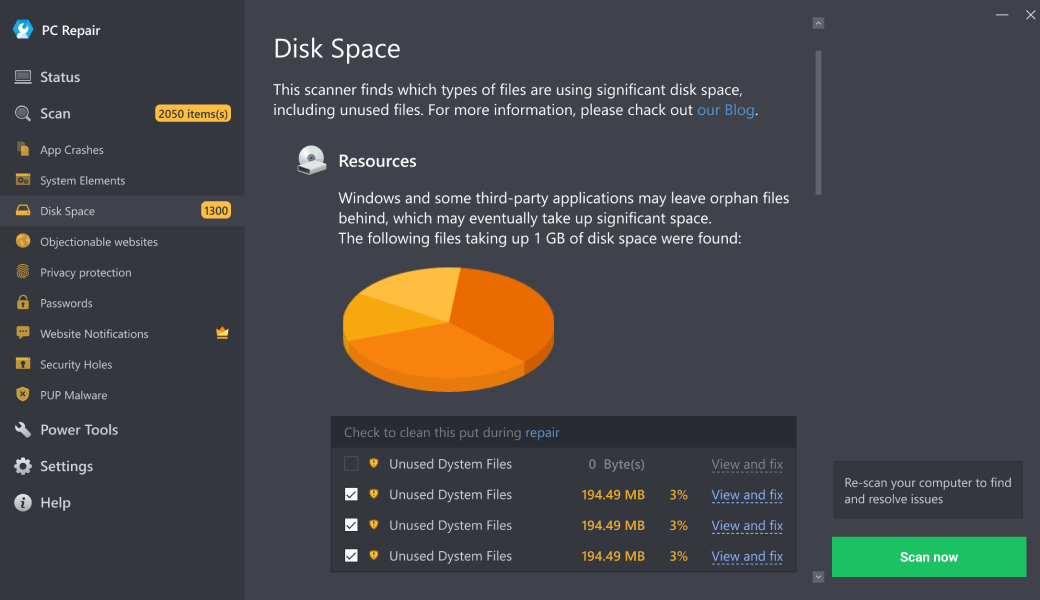
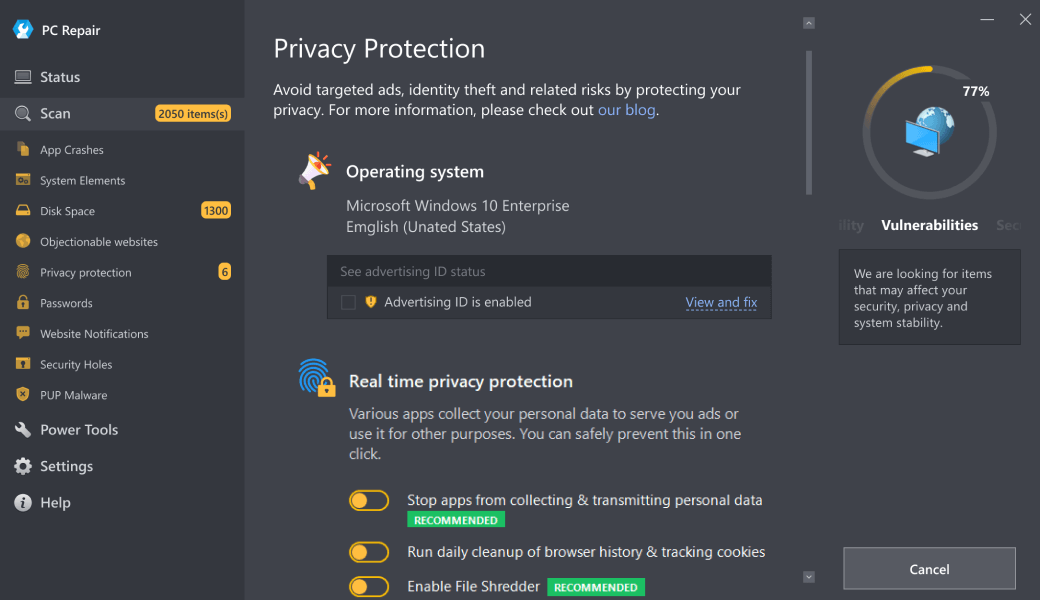
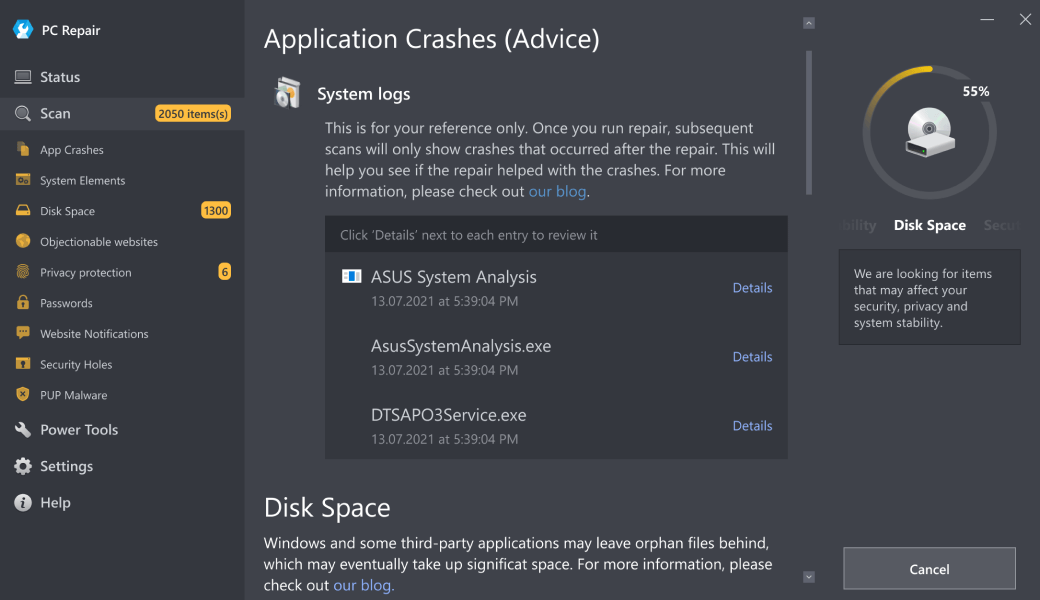
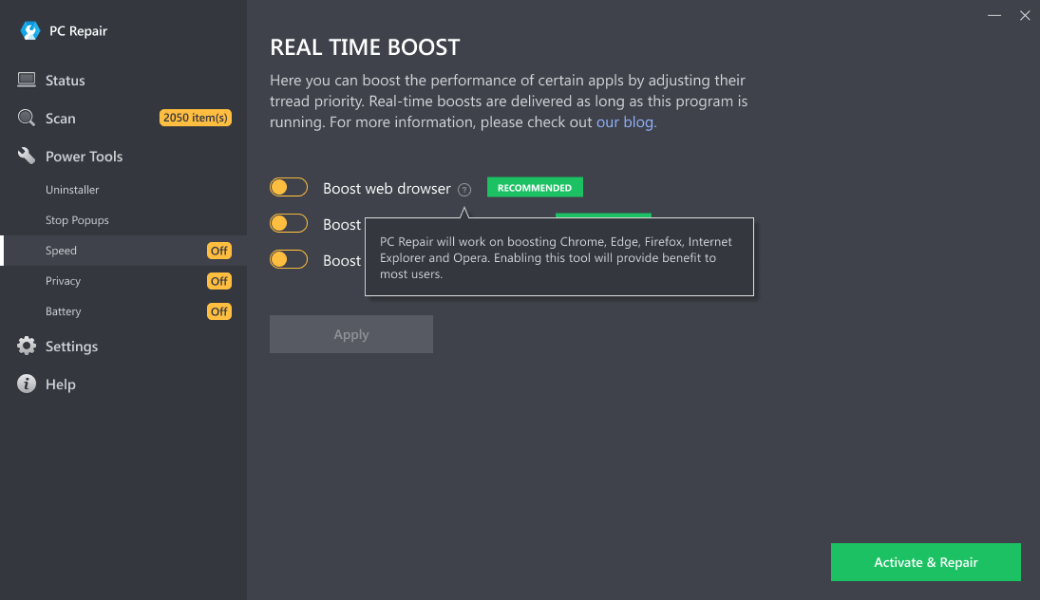
For users experiencing persistent or complex registry issues that manual methods do not resolve, automated repair tools offer a reliable alternative. Outbyte PC Repair is a professional-grade utility designed to address deep-seated system issues efficiently, including registry corruption, invalid entries, and performance degradation. It performs comprehensive scans to identify issues across system files, registries, and configurations, applying corrections based on a validated database of resolves. This tool is particularly useful for those seeking time-efficient resolutions without delving into advanced technical procedures, while also providing optimization features to maintain overall system health. Its structured approach reduces the risk of user issue and ensures consistent results suitable for both individual and professional use cases.
Download Outbyte PC Repair for automated issue diagnosis and repair (compatible with Windows 8/10/11).Special offer. See more information about Outbyte; uninstall instructions; EULA; Privacy Policy.
MAIN CAUSES
1. Corrupted Registry Entries
The Windows registry is a hierarchical database storing configuration settings for the operating system and applications. When entries become damaged—often due to incomplete software installations/uninstallations, abrupt system shutdowns, or malware interference—the registry cannot properly reference critical system files or settings. This corruption manifests as issue messages when Windows or applications attempt to access these invalid entries.
2. Software Installation/Removal Issues
Improper software installation or uninstallation processes can leave behind orphaned registry entries. When applications are removed without using dedicated uninstallers (e.g., through manual deletion), residual registry keys remain that reference non-existent files or configurations. These dangling references cause conflicts when other programs attempt to access them.
3. Malware or Virus Infections
Malicious software frequently targets the registry to gain persistence or modify system settings. Viruses, trojans, and other malware can inject invalid entries, delete crucial keys, or alter permissions. These unauthorized changes disrupt normal system operations and generate registry-related issues when legitimate processes encounter these compromised entries.
4. Hardware Driver Conflicts
Outdated, incompatible, or corrupted device drivers often write problematic settings to the registry. When multiple drivers conflict or when driver updates don't properly clean previous entries, the registry contains contradictory instructions for hardware management. This particularly affects peripheral devices and internal components like graphics cards or storage controllers.
5. Manual Registry Editing Issues
Inexperienced users modifying the registry through regedit.exe without proper knowledge can accidentally delete or alter critical keys. Even small changes to sensitive areas like HKEY_LOCAL_MACHINE or HKEY_CLASSES_ROOT can cause cascading issues throughout the system, as these branches control fundamental OS operations.
6. Fragmented Registry Structure
Over time, as thousands of entries are added, modified, and deleted, the registry becomes fragmented across the hard drive. While Windows attempts to optimize registry access, severe fragmentation can slow down registry operations and cause time-out issues when systems cannot locate needed keys within expected timeframes.
7. Permission and Security Descriptor Corruption
Each registry key has associated security descriptors controlling access permissions. If these permissions become corrupted—often through malware or improper system modifications—authorized processes may be denied access to necessary registry sections. This results in "access denied" issues even when using administrator accounts.
CONCLUSION
Maintaining registry integrity is fundamental to Windows stability and performance. The registry serves as the central nervous system of your operating system, coordinating everything from hardware interactions to application behaviors. Regular system maintenance prevents most registry issues before they can impact your computing experience. Begin by establishing consistent maintenance practices: schedule weekly disk cleanups using built-in Windows tools to remove temporary files that often contribute to registry bloat. Perform monthly full system scans with reputable antivirus software to detect and remove malware before it can compromise registry integrity. Always use proper uninstallation procedures through Settings > Apps rather than manual deletion to ensure complete removal of program entries.
For proactive registry maintenance, consider using dedicated optimization tools like Outbyte PC Repair, which can safely identify and resolve problematic entries without risking system stability. These utilities automatically backup your registry before making changes and focus on removing only obsolete or invalid entries rather than making aggressive modifications. However, exercise caution with registry cleaning tools—while helpful when used properly, overly aggressive cleaning can sometimes cause additional issues. For persistent registry issues that continue after basic maintenance, seek professional technical assistance rather than attempting extensive manual repairs. Computer repair specialists have the tools and experience to diagnose complex registry issues while preserving your system stability and data integrity.
Remember that registry problems often indicate broader system health issues. Regular backups using Windows' built-in System Image Backup feature ensure you can recover quickly if registry corruption leads to more serious system failures. Maintain updated system restore points before installing new software or making significant configuration changes. By adopting these disciplined maintenance habits, you'll not only prevent registry issues but also ensure your computer remains reliable, responsive, and ready to handle your daily computing needs without interruption. Your system's reliability directly impacts your productivity and digital security—making consistent maintenance not just recommended but essential for optimal computing performance.
| Trial limitation: | Category-based repair access for at least 2 days |
| Price (full version): | From $29.95 |

The following steps should resolve the windows-registry issue:
- Step 1. Download Outbyte PC Repair application See more information about Outbyte; uninstall instructions; EULA; Privacy Policy.
- Step 2. Install and launch the application
- Step 3. Click the Scan Now button to detect issues and abnormalities
- Step 4. Click the Repair All button to resolve the issues
| Compatibility | Win 11, 10, 8 |
| Download Size | 28 MB |
| Requirements | 300 MHz Processor, 256 MB RAM, 101 MB disk space |
Limitations: The trial version offers unlimited scans, backups, and restores. Full version registration starts at $29.95.

Outbyte PC Repair (version 1.1.12.641) is certified by AppEsteem – a trusted cybersecurity organization – with ongoing monitoring.
Being able to meet all of AppEsteem’s strict requirements means that Outbyte PC Repair can be considered clean, safe, and transparent; and that it is compliant with the ethical and legal norms of distribution.
AppEsteem is one of the world’s most prominent cybersecurity organizations that contributes to the safety of more than 2 billion users. The company was founded by a team of experienced Microsoft cybersecurity specialists. Its mission is to create a safe space for computer and internet users where they are protected against cyber threats and deceptive or unethical practices.