How To Fix windows 11 sound not working in Windows
How To Fix windows 11 sound not working in Windows
When your Windows 11 computer suddenly loses all audio output, it can be both confusing and disruptive to your workflow or entertainment. This common issue means that your system is unable to produce sound through your speakers or headphones, regardless of the application you're using—whether it's playing music, watching videos, participating in video calls, or receiving system notifications. You might encounter complete silence, hear intermittent audio that cuts in and out, or find that sound only works from some apps but not others.
This problem typically occurs after Windows updates, driver conflicts, incorrect audio settings, or when connecting new audio devices. While this guide focuses on Windows 11, similar sound issues can affect Windows 10 users as well. The impact extends beyond inconvenience—without audio functionality, you cannot participate in online meetings, enjoy multimedia content, or hear important system alerts.
Fortunately, sound problems in Windows 11 are almost always resolvable through systematic troubleshooting. The solutions range from simple checks like verifying your volume levels and default playback device to slightly more advanced steps involving driver updates and audio service restarts. This guide will walk you through these resolves in a clear, step-by-step manner, helping you restore your computer's audio functionality without requiring technical expertise.
PREPARATION STEPS
Before troubleshooting sound issues on Windows 11, complete these preparatory measures to ensure system safety and effective diagnostics:
1. Create a System Restore Point
- Open Start Menu, type "Create a restore point," and select the result.
- In System Properties, click "Create," name it (e.g., "Pre-Sound Resolve"), and confirm.
- Purpose: Allows safe rollback if changes cause system instability.
2. Back Up Critical Data
- Copy essential files (documents, media) to an external drive or cloud service.
- Use File History (Settings > Accounts > Windows Backup) or manual copying.
- Purpose: Prevents data loss during unexpected system issues.
3. Temporarily Disable Antivirus/Firewall
- Open security software (e.g., Windows Security via Settings > Privacy & security > Windows Security).
- Temporarily disable real-time protection and firewall; re-enable after troubleshooting.
- Purpose: Eliminates software conflicts that may block audio drivers or services.
4. Check Physical Connections
- Ensure speakers/headphones are properly connected, powered on, and set as default playback device.
- Test with multiple audio ports or devices if available.
- Purpose: Rules out hardware faults before software troubleshooting.
STEP-BY-STEP FIXES
Solution 1: Restart Audio Services
1. Press `Win + R`, type `services.msc`, and press Enter.
2. Locate and right-click these services, selecting "Restart" for each:
- Windows Audio
- Windows Audio Endpoint Builder
- Remote Procedure Call (RPC)
3. Verify startup type is set to "Automatic" for each service.
4. Test audio playback.
Solution 2: Update/Reinstall Audio Drivers
1. Press `Win + X` and select "Device Manager."
2. Expand "Sound, video and game controllers," right-click your audio device, and select "Uninstall device."
⚠️ Check "Delete the driver software for this device" if available.
3. Restart your PC to trigger automatic driver reinstallation.
4. If issues persist, manually download the latest driver from your manufacturer's website and install it.
Solution 3: Run Audio Troubleshooter & Reset Audio Stack
1. Open Settings > System > Sound > Troubleshoot common sound problems.
2. Follow on-screen instructions to detect issues.
3. If unresolved, reset the audio stack via Command Prompt (Admin):
   ```cmd
   net stop Audiosrv
   net stop AudioEndpointBuilder
   net start Audiosrv
   net start AudioEndpointBuilder
   ```
4. Restart the PC and check audio functionality.
ADVANCED SOLUTION OPTION
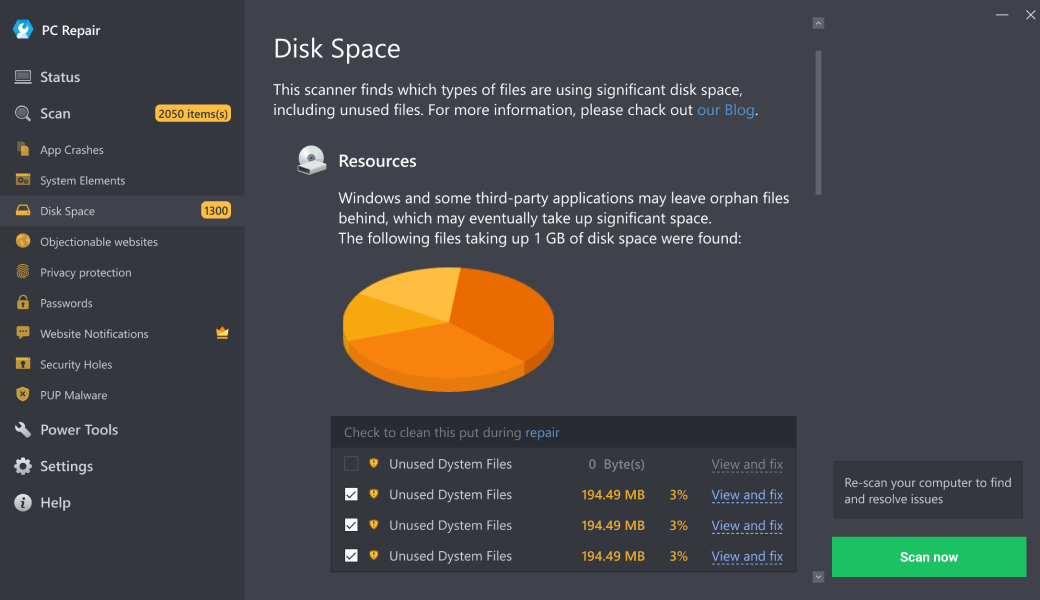
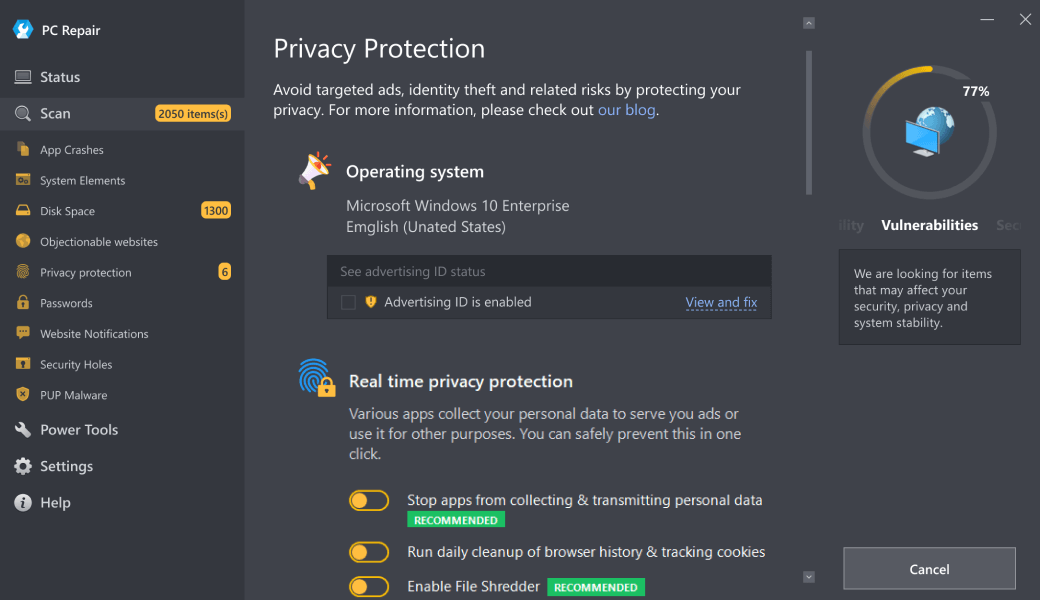
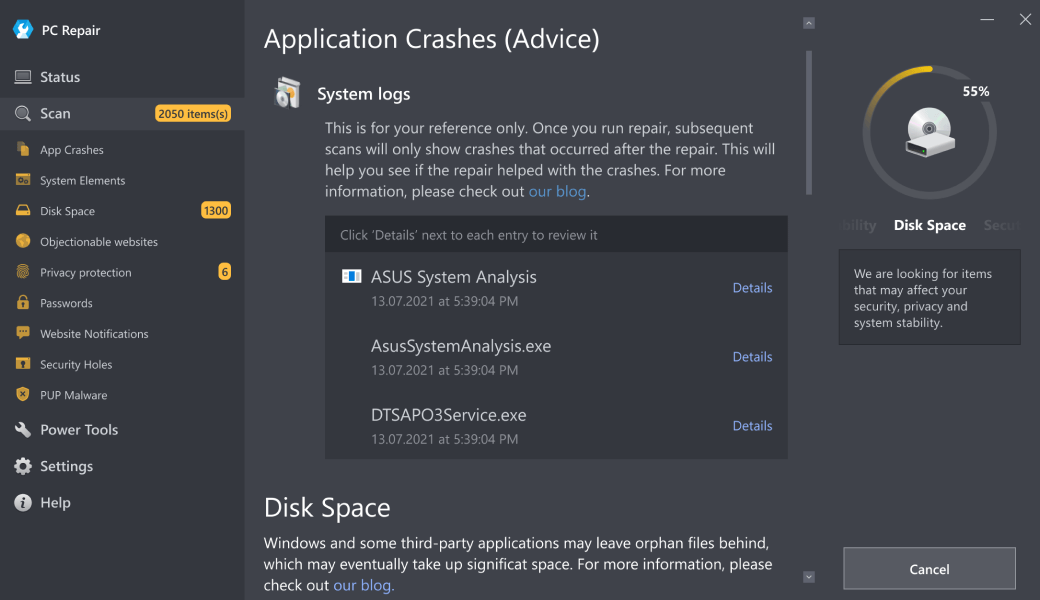
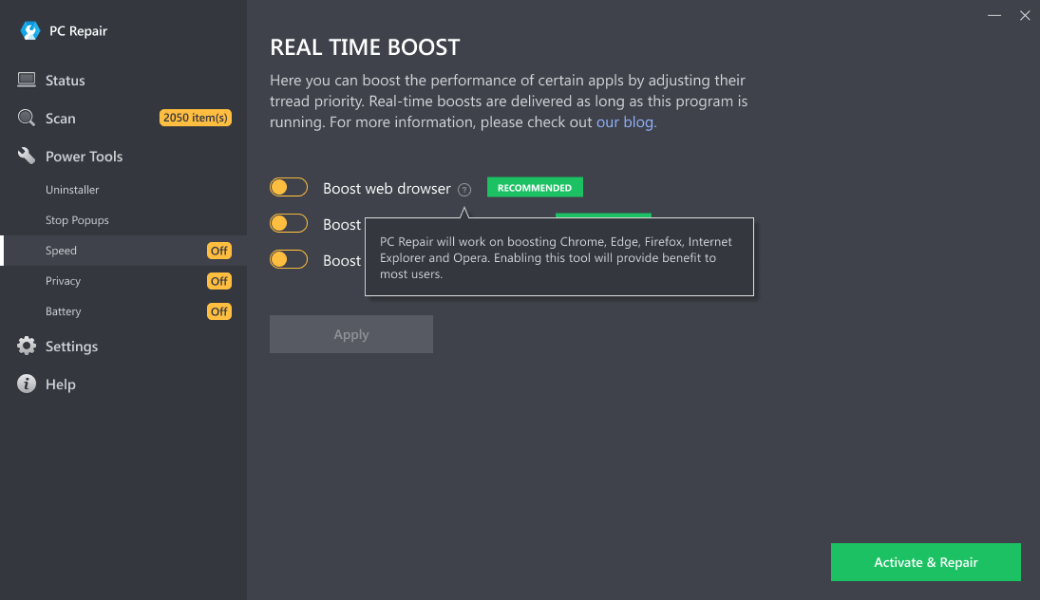
For persistent or complex audio malfunctions—such as recurring driver corruption, registry conflicts, or undiagnosed system issues—automated repair tools provide a streamlined resolution path. Outbyte PC Repair offers a professional-grade solution by conducting deep system scans to identify misconfigured settings, outdated drivers, and system file issues specific to audio operations. Its utility includes automated driver updates, registry cleaning for invalid audio entries, and performance optimization to restore stable audio functionality without manual intervention. This approach is particularly valuable for users requiring time-efficient resolutions or those lacking technical expertise to navigate advanced Windows diagnostics, ensuring comprehensive system health maintenance alongside targeted issue resolution.
Download Outbyte PC Repair for automated issue diagnosis and repair (compatible with Windows 8/10/11).Special offer. See more information about Outbyte; uninstall instructions; EULA; Privacy Policy.
MAIN CAUSES
1. Audio Driver Issues
Outdated, corrupted, or incompatible audio drivers are among the most common causes of sound failure. Windows 11 may fail to properly communicate with your sound card or audio chipset if the driver software is damaged, missing critical updates, or conflicting with system changes. Driver corruption can occur after Windows updates, software installations, or system crashes.
2. Incorrect Audio Output Selection
Windows may be routing audio to an unintended playback device. This occurs when multiple audio outputs are available (HDMI display, USB headsets, Bluetooth devices, multiple speakers) and the system defaults to a disconnected or inactive device. The audio stream is technically working but directed to an output you're not monitoring.
3. Audio Services Malfunction
Critical Windows audio services, particularly Windows Audio and Windows Audio Endpoint Builder, may have stopped or failed to start properly. These background services manage all audio processing and device communication. Service interruptions can result from software conflicts, improper shutdowns, or system resource issues.
4. Hardware Connection Problems
Physical connectivity issues can prevent sound output, including loose speaker cables, faulty audio jacks, or damaged internal audio card connections. For USB or Bluetooth audio devices, connection instability, power management settings, or port malfunctions can disrupt the audio signal path.
5. Sound Settings Misconfiguration
System-wide audio may be muted, volume set to minimum levels, or specific application sound settings may be disabled. Additionally, audio enhancements or spatial sound features can sometimes conflict with certain hardware configurations, causing complete audio failure rather than just quality issues.
6. Recent System Updates
Windows 11 updates occasionally introduce compatibility issues with existing audio drivers or configurations. Feature updates may overwrite custom driver settings or install generic drivers that lack full functionality for your specific audio hardware.
7. Hardware Component Failure
The physical audio hardware itself may have failed. This includes damaged speakers, faulty sound cards, or integrated audio chipsets that have experienced electrical damage or component degradation over time. Motherboard-level audio issues may require professional diagnostics.
CONCLUSION
Maintaining consistent audio functionality in Windows 11 requires proactive system management and regular maintenance practices. Sound issues often serve as early indicators of underlying system problems that, if addressed promptly, can prevent more significant computer performance degradation. Establishing a routine maintenance schedule is essential for ensuring reliable computing experiences.
Implement these fundamental PC maintenance practices to enhance system stability: regularly update device drivers through Windows Update or manufacturer websites; perform monthly disk cleanup operations to remove temporary files and system clutter; run the built-in Windows System File Checker (SFC) utility to scan for and repair corrupted system files; utilize Disk Defragmentation for traditional hard drives or TRIM optimization for SSDs; monitor startup programs to prevent unnecessary background processes from consuming system resources; and create system restore points before installing new software or major updates.
For users seeking comprehensive maintenance solutions, tools like Outbyte PC Repair can automate many of these processes, including driver updates, registry cleaning, and system optimization tasks. These utilities can streamline maintenance routines while providing detailed system health reports.
When troubleshooting persistent audio problems, begin with basic checks: verify physical connections, test with multiple audio devices, and utilize Windows' built-in audio troubleshooter. If these steps don't resolve the issue, consider the possibility of hardware failure or deeper system corruption. Professional technical assistance becomes necessary when problems persist despite thorough software troubleshooting, or when you suspect physical component damage.
Remember that system reliability directly impacts productivity and user experience. Regular maintenance not only resolves immediate issues like audio failure but also contributes to overall system longevity and performance consistency. By adopting proactive computer care habits, you ensure that your Windows 11 system remains capable of handling daily computing demands without unexpected interruptions to essential functions like audio playback.
| Trial limitation: | Category-based repair access for at least 2 days |
| Price (full version): | From $29.95 |

The following steps should resolve the windows-11-sound-not-working issue:
- Step 1. Download Outbyte PC Repair application See more information about Outbyte; uninstall instructions; EULA; Privacy Policy.
- Step 2. Install and launch the application
- Step 3. Click the Scan Now button to detect issues and abnormalities
- Step 4. Click the Repair All button to resolve the issues
| Compatibility | Win 11, 10, 8 |
| Download Size | 28 MB |
| Requirements | 300 MHz Processor, 256 MB RAM, 101 MB disk space |
Limitations: The trial version offers unlimited scans, backups, and restores. Full version registration starts at $29.95.

Outbyte PC Repair (version 1.1.12.641) is certified by AppEsteem – a trusted cybersecurity organization – with ongoing monitoring.
Being able to meet all of AppEsteem’s strict requirements means that Outbyte PC Repair can be considered clean, safe, and transparent; and that it is compliant with the ethical and legal norms of distribution.
AppEsteem is one of the world’s most prominent cybersecurity organizations that contributes to the safety of more than 2 billion users. The company was founded by a team of experienced Microsoft cybersecurity specialists. Its mission is to create a safe space for computer and internet users where they are protected against cyber threats and deceptive or unethical practices.