How To Fix Windows 11 Mouse Lag in Windows
How To Fix Windows 11 Mouse Lag in Windows
If you are experiencing a delay or stuttering movement when you move your mouse cursor on your Windows 11 computer, you are dealing with a common issue known as mouse lag. This problem makes your mouse feel unresponsive, as if it's dragging through mud, and it can be incredibly frustrating, especially when trying to work efficiently or play games. Essentially, there is a disconnect between your physical mouse movements and the corresponding action on your screen.
This lag often occurs after a major Windows update, when a new program or game is installed, or when specific power-saving settings are active. It can also be triggered by outdated or corrupted mouse drivers, conflicts with other connected USB devices, or even high system resource usage from other applications running in the background. While this guide focuses on Windows 11, similar mouse lag issues can affect users on Windows 10 as well. The impact on your computer's functionality is significant, reducing precision and making everyday tasks like clicking icons, selecting text, or navigating menus feel slow and imprecise.
The good news is that mouse lag is almost always a software-related issue that can be resolved with some straightforward troubleshooting steps. You do not need to be a technical expert to resolve it. By methodically checking a few key settings and updating the correct drivers, you can restore your mouse's smooth, instantaneous response. This guide will walk you through the most effective solutions to eliminate the lag and get your cursor moving smoothly again.
Contents
[hide]PREPARATION STEPS
Before addressing mouse lag in Windows 11, complete these preparatory measures to ensure system safety and accurate troubleshooting:
1. Create a System Restore Point
- Open Start Menu, type "Create a restore point," and select the result.
- In System Properties, click "Create," name it (e.g., "Pre-Mouse Resolve"), and confirm.
- *Purpose:* Allows quick system reversion if changes cause instability.
2. Back Up Critical Data
- Copy important files to an external drive or cloud storage.
- Use File History (Settings > Accounts > Windows Backup) for automated backups.
- *Purpose:* Prevents data loss during unexpected system issues.
3. Temporarily Disable Antivirus/Firewall
- Open Windows Security (Settings > Privacy & security > Windows Security).
- Navigate to "Virus & threat protection" > "Manage settings," toggle off real-time protection.
- *Purpose:* Eliminates interference from security software during diagnostics.
4. Update Mouse Drivers
- Open Device Manager (Win + X > Device Manager).
- Expand "Mice and other pointing devices," right-click your mouse, select "Update driver."
- *Purpose:* Ensures you’re troubleshooting with the latest compatible drivers.
STEP-BY-STEP FIXES
Solution 1: Adjust Pointer Precision Settings
1. Open Settings (Win + I) and go to Bluetooth & devices > Mouse.
2. Click Additional mouse settings.
3. In the Pointer Options tab, uncheck "Enhance pointer precision."
4. Click Apply, then OK. Test mouse responsiveness.
Solution 2: Modify Power Management for USB Root Hubs
1. Open Device Manager (Win + X > Device Manager).
2. Expand Universal Serial Bus controllers.
3. Right-click each USB Root Hub entry, select Properties.
4. Go to the Power Management tab and uncheck "Allow the computer to turn off this device to save power."
5. Click OK and restart the system.
Solution 3: Disable Mouse Acceleration via Registry
⚠️ *Warning: Editing the registry incorrectly can cause system instability. Proceed with caution.*
1. Press Win + R, type `regedit`, and press Enter.
2. Navigate to:
 ```
 HKEY_CURRENT_USER\Control Panel\Mouse
 ```
3. Double-click MouseSpeed and set its value to `0`. Click OK.
4. Double-click MouseThreshold1 and set to `0`. Click OK.
5. Double-click MouseThreshold2 and set to `0. Click OK.
6. Restart the computer for changes to take effect.
ADVANCED SOLUTION OPTION
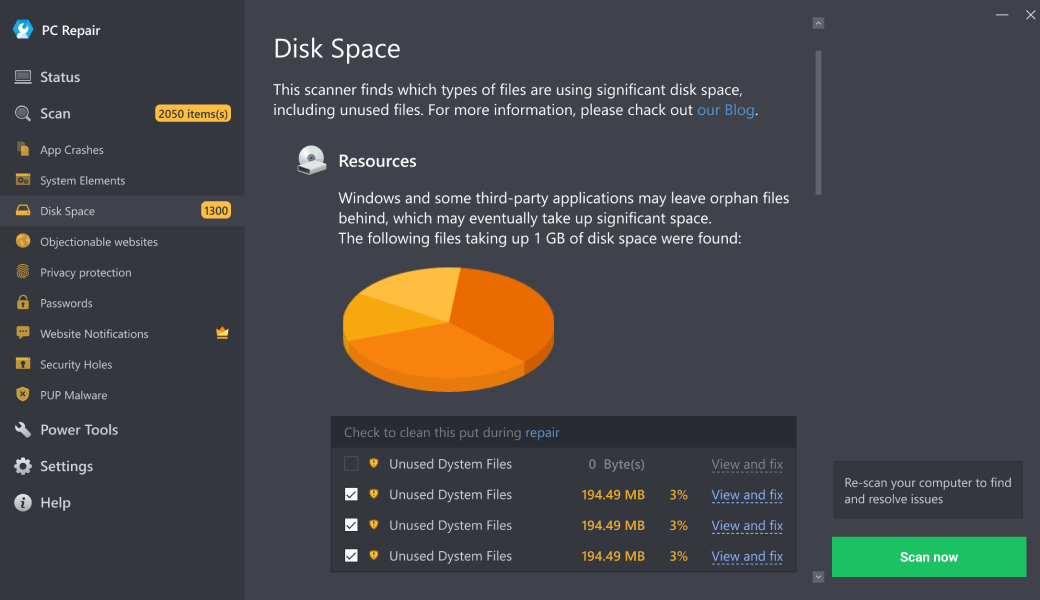
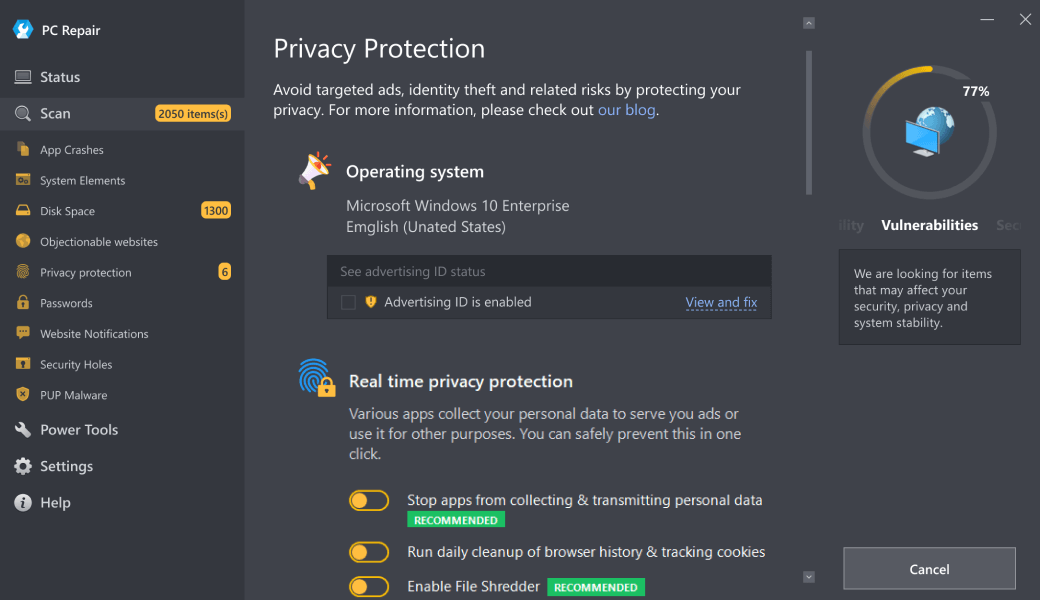
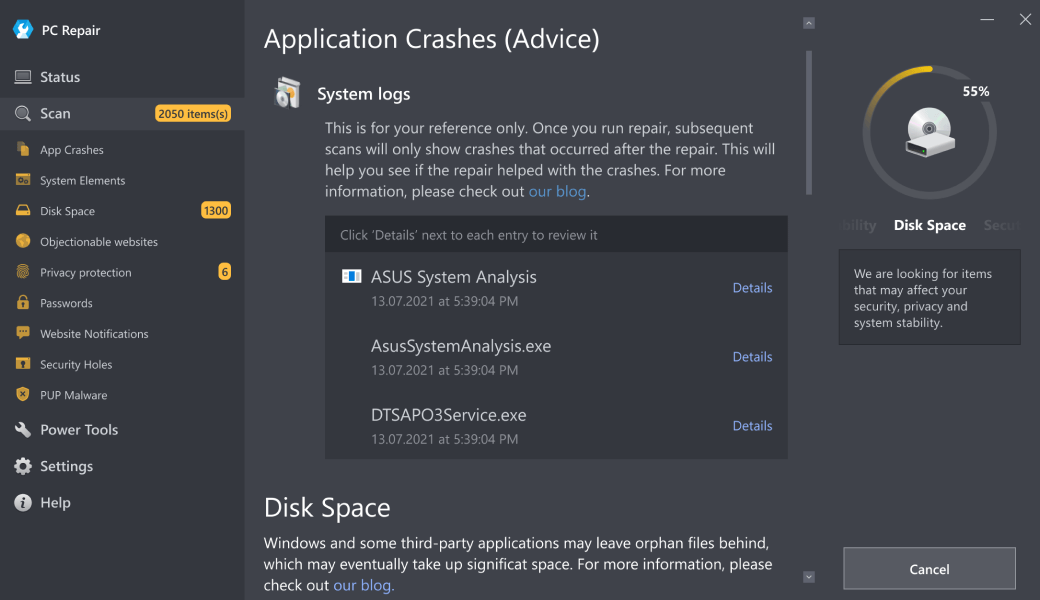
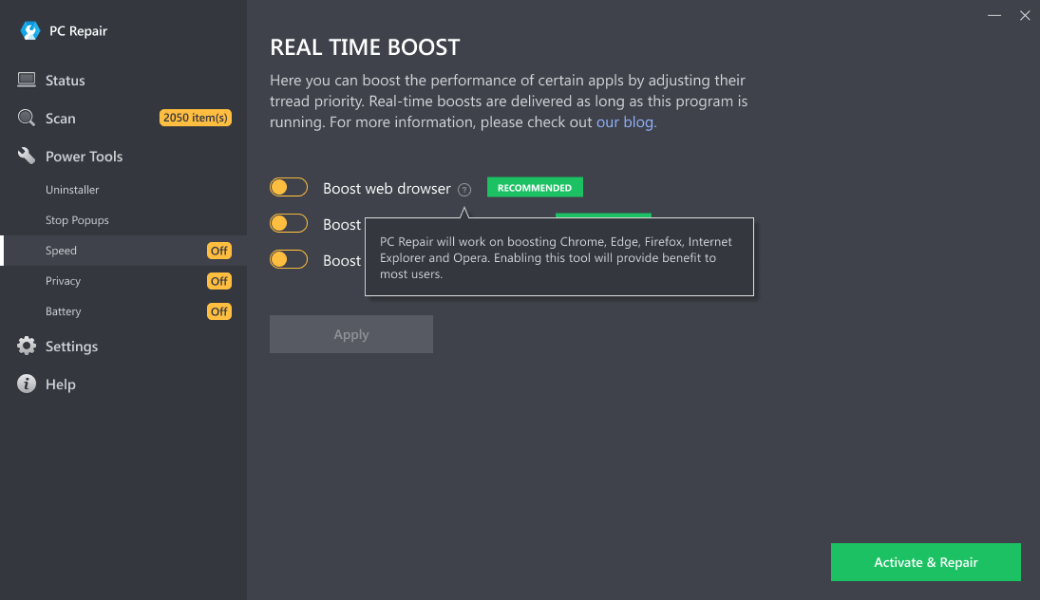
For persistent or complex mouse lag issues that manual steps fail to resolve, an automated system repair tool can provide a comprehensive solution. Outbyte PC Repair is a professional-grade utility designed to address underlying system irregularities that contribute to performance degradation, including input device lag. It performs deep system scans to identify misconfigurations, corrupt drivers, and resource conflicts, then applies targeted repairs to restore optimal functionality. This approach is particularly valuable when time efficiency is critical or when the root cause involves interdependent system components that are difficult to diagnose manually. The tool also includes maintenance features for ongoing system health, such as registry cleanup and performance optimization, making it a practical option for users seeking a holistic resolution beyond basic troubleshooting.
Download Outbyte PC Repair for automated issue diagnosis and repair (compatible with Windows 8/10/11).Special offer. See more information about Outbyte; uninstall instructions; EULA; Privacy Policy.
MAIN CAUSES
1. Outdated or Corrupted Mouse Drivers
Windows 11 relies on specific drivers to communicate with your mouse hardware. If these drivers are outdated, incompatible with the current Windows build, or have become corrupted through system updates or software conflicts, they can introduce significant processing delays. This forces the operating system to use generic drivers or struggle with inefficient communication protocols, resulting in noticeable lag and unresponsive cursor movements.
2. High System Resource Utilization
Mouse lag often occurs when your computer's CPU (Central Processing Unit), GPU (Graphics Processing Unit), or RAM (Random Access Memory) is operating near maximum capacity. Background processes, multiple open applications, or resource-intensive tasks like gaming or video editing can monopolize system resources. The Windows input queue, which manages peripheral signals like mouse movements, gets lower processing priority, causing delayed response times as the system struggles to allocate resources.
3. Power Management Settings
Windows 11 includes aggressive power-saving features that can negatively impact peripheral performance. USB selective suspend settings or power plans (like "Power saver") may reduce power to USB ports or limit processor states to conserve energy. This can cause intermittent latency as the system periodically "sleeps" the USB controller or reduces processing speed, creating a delay between physical mouse movement and on-screen response.
4. Hardware Connection Issues
The physical connection between your mouse and computer can be a source of lag. For wireless mice, this includes signal interference from other 2.4GHz devices (like Wi-Fi routers or Bluetooth peripherals), low battery levels, or excessive distance from the receiver. For wired mice, damaged cables, loose USB connections, or faulty ports can cause intermittent data transmission problems. USB bandwidth saturation—when too many devices share a single USB controller—can also create input latency.
5. Conflicting Software or Services
Certain applications can interfere with normal mouse operation. Gaming software with overlay features (like Discord or Xbox Game Bar), screen recording tools, or accessibility programs may hook into the Windows input system, adding processing layers that delay mouse data. Antivirus software performing real-time scans can also temporarily freeze system processes, including input handling, causing perceptible stuttering.
6. Graphics Driver Issues
While primarily responsible for visual output, graphics drivers significantly impact overall system responsiveness, including mouse movement. Outdated, corrupted, or improperly configured GPU drivers can cause rendering delays that manifest as mouse lag, especially during visually intensive tasks. Features like Windows 11's transparency effects or animation-heavy interfaces rely heavily on GPU acceleration, and driver issues can create a disconnect between input and display.
7. System File Corruption
Core Windows system files responsible for handling input/output operations can become corrupted due to incomplete updates, disk issues, or malware. When essential components of the Windows Human Interface Device (HID) stack are damaged, the system may struggle to process mouse input efficiently, leading to persistent lag that persists across restarts and driver reinstallations.
CONCLUSION
Persistent mouse lag in Windows 11 is more than just an inconvenience; it significantly impacts productivity, user experience, and overall system reliability. Addressing this issue requires a systematic approach that combines immediate troubleshooting with long-term preventive maintenance. Regular system upkeep is essential for maintaining optimal performance and preventing recurring hardware communication problems.
To ensure your system remains responsive and reliable, implement a consistent maintenance routine. First, establish a schedule for checking driver updates, particularly for your mouse, chipset, and graphics card, as these directly influence input responsiveness. Second, monitor your system's resource usage through Task Manager to identify applications that may be consuming excessive CPU or memory. Third, periodically clean your system of temporary files and cache buildup that can slow down operations. Fourth, review your power settings to ensure they're optimized for performance rather than power saving when connected to mains electricity. Fifth, maintain a organized startup program list, disabling unnecessary applications that launch with Windows. Sixth, consider using a dedicated PC maintenance tool like Outbyte PC Repair to automate many of these tasks, including driver updates, registry cleaning, and junk file removal.
While many mouse lag issues can be resolved through basic troubleshooting—such as reconnecting the mouse, updating drivers, or adjusting settings—persistent problems may indicate deeper system issues. If lag continues after you've exhausted standard resolves, it may be time to consult technical support. This is particularly important if the lag coincides with other system instability, as it could signal hardware failure or significant software corruption.
Remember that a responsive computing environment is fundamental to efficient work and enjoyable multimedia experiences. Proactive maintenance not only resolves existing issues but prevents many common problems from developing. By dedicating minimal time to regular system care, you ensure that your Windows 11 installation remains stable, secure, and capable of handling your daily computing needs without frustrating interruptions like input lag.
| Trial limitation: | Category-based repair access for at least 2 days |
| Price (full version): | From $29.95 |

The following steps should resolve the windows-11-mouse-lag issue:
- Step 1. Download Outbyte PC Repair application See more information about Outbyte; uninstall instructions; EULA; Privacy Policy.
- Step 2. Install and launch the application
- Step 3. Click the Scan Now button to detect issues and abnormalities
- Step 4. Click the Repair All button to resolve the issues
| Compatibility | Win 11, 10, 8 |
| Download Size | 28 MB |
| Requirements | 300 MHz Processor, 256 MB RAM, 101 MB disk space |
Limitations: The trial version offers unlimited scans, backups, and restores. Full version registration starts at $29.95.

Outbyte PC Repair (version 1.1.12.641) is certified by AppEsteem – a trusted cybersecurity organization – with ongoing monitoring.
Being able to meet all of AppEsteem’s strict requirements means that Outbyte PC Repair can be considered clean, safe, and transparent; and that it is compliant with the ethical and legal norms of distribution.
AppEsteem is one of the world’s most prominent cybersecurity organizations that contributes to the safety of more than 2 billion users. The company was founded by a team of experienced Microsoft cybersecurity specialists. Its mission is to create a safe space for computer and internet users where they are protected against cyber threats and deceptive or unethical practices.