How To Fix why is my pc so slow in Windows
How To Fix why is my pc so slow in Windows
When your computer begins running slowly, it means that your system is taking longer than usual to perform everyday tasks like opening programs, loading web pages, or starting up. This slowdown occurs when your PC's resources—such as its processor (CPU), memory (RAM), or storage—are being overused or are not functioning efficiently. You might notice this issue when trying to run multiple applications at once, after a recent Windows update, or when your storage drive is nearly full. This problem can affect all versions of Windows, including Windows 10 and Windows 11, and can significantly impact your productivity by causing frustrating delays, freezing, or unresponsive behavior during normal use.
The good news is that a slow PC is a common and typically resolvable issue. It can often be addressed through straightforward maintenance steps without needing advanced technical skills. In this guide, we will walk you through practical, step-by-step solutions to help identify the cause of the slowdown and restore your computer's performance. Whether the issue is due to too many programs running at startup, insufficient storage space, or outdated drivers, you will find clear instructions to get your system running smoothly again.
Contents
[hide]PREPARATION STEPS
Before addressing system slowdowns, ensure you have proper safeguards in place. These preparatory measures protect your data and system integrity during troubleshooting:
1. Create a System Restore Point
- Open Start Menu, type "Create a restore point"
- Select System Protection tab → Configure → Enable system protection
- Click Create → Name it "Pre-SpeedResolve" → Confirm creation
*Purpose: Allows complete system reversion if changes cause instability*
2. Backup Critical Data
- Connect external storage or cloud service
- Copy essential documents, photos, and personal files
- Verify backup completion by spot-checking files
*Purpose: Ensures data preservation regardless of troubleshooting outcome*
3. Temporarily Disable Antivirus
- Right-click antivirus icon in system tray
- Select "Disable protection" or similar option
- Choose temporary disable (15 minutes to 1 hour)
*Purpose: Eliminates potential software conflicts during diagnostic procedures*
4. Document Current Performance State
- Note specific slow behaviors (boot time, app launches, file operations)
- Open Task Manager (Ctrl+Shift+Esc) → record CPU/Memory/Disk usage percentages
*Purpose: Provides baseline metrics for measuring improvement effectiveness*
STEP-BY-STEP FIXES
Method 1: Clear Temporary Files and System Cache
1. Press Windows Key + R, type ```cleanmgr```
2. Select system drive (usually C:) → OK
3. Check boxes for "Temporary files," "Delivery Optimization Files," and "Recycle Bin"
4. Click "OK" → "Delete Files"
5. Restart computer after completion
Method 2: Disable Startup Programs
1. Open Task Manager (Ctrl+Shift+Esc)
2. Navigate to "Startup" tab
3. Right-click unnecessary applications → Select "Disable"
4. Focus on high-impact items (shown in "Startup impact" column)
5. Restart system to observe performance changes
Method 3: Check Disk for Issues
1. Open Command Prompt as Administrator
2. Type and execute:
```chkdsk C: /f /r```
3. Press Y to schedule scan on next restart
4. Restart system
immediately
5. Allow scan to complete uninterrupted (may take several hours)
*Warning:
Backup data before running chkdsk with /r parameter as it involves bad sector recovery*
ADVANCED SOLUTION OPTION
When manual troubleshooting proves insufficient or
time-consuming, automated repair tools offer comprehensive resolution for persistent performance
degradation. Outbyte PC Repair provides systematic diagnosis and correction of underlying system
issues through registry cleaning, junk file removal, and startup optimization. This approach
efficiently addresses complex interdependencies that manual methods might miss, while
simultaneously performing routine maintenance tasks that prevent future slowdowns. The tool's
structured scanning identifies performance bottlenecks across multiple system areas, making it
particularly valuable for users requiring reliable, time-efficient solutions without extensive
technical involvement.
Download
Outbyte PC Repair for automated issue diagnosis and repair (compatible with
Windows 8/10/11).Special offer. See more information about Outbyte; uninstall instructions; EULA; Privacy Policy.
MAIN CAUSES
A slow-performing PC is rarely due to a single issue but is typically the result of several
compounding factors. Understanding these root causes is the first step toward an effective
solution.
1. Insufficient RAM (Random Access Memory): RAM is your computer's short-term memory, used to
hold active data for running applications and operating system processes. When you exhaust
your available RAM, the system is forced to use a "paging file" on your much slower hard
drive (HDD) or solid-state drive (SSD) as virtual memory. This constant swapping of data
between RAM and the storage drive creates a significant performance bottleneck, causing lag,
freezing, and slow application response times.
2. Storage Drive Bottlenecks: The type and health of your storage drive are critical.
Traditional Hard Disk Drives (HDDs) with spinning platters are inherently slower than
Solid-State Drives (SSDs), which have no moving parts. If your operating system is installed
on an HDD, overall system responsiveness will be lower. Furthermore, a drive that is nearly
full (above 85-90% capacity) or is beginning to fail will suffer from dramatically reduced
read/write speeds, directly impacting boot times, file access, and application loading.
3. Background Process Overload: Many applications configure themselves to start automatically
with Windows and run background processes even when not in active use. These can include
updater services, cloud storage sync clients, and utility software. Over time, this
accumulation of startup programs consumes valuable CPU cycles, RAM, and disk I/O, leaving
fewer resources for the tasks you are actively trying to perform.
4. Malware or Virus Infection: Malicious software is designed to operate stealthily in the
background. It can consume system resources for activities like cryptocurrency mining,
running botnets, or displaying ads. This unauthorized consumption of CPU, memory, and
network bandwidth can severely degrade system performance without any obvious indication to
the user.
5. Outdated or Corrupted Drivers: Device drivers are the software that allows your operating
system to communicate with hardware components like your graphics card, chipset, and network
adapter. Outdated, incompatible, or corrupted drivers can lead to system instability,
hardware not functioning at its full potential, and conflicts that cause overall system
sluggishness.
6. Fragmented Drive (Primarily HDDs): While modern Windows systems automatically defragment
HDDs on a schedule, if this feature is disabled or the drive is excessively full, file
fragmentation can become a problem. Fragmentation occurs when pieces of files are scattered
across different physical locations on the disk platter, forcing the read head to work
harder and move more to access a single file, slowing down data retrieval. (Note: This does
not apply to SSDs, and defragmenting an SSD is unnecessary and can reduce its lifespan).
7. Overheating Components: Computers have built-in safeguards to prevent hardware damage from
excessive heat. When the Central Processing Unit (CPU) or Graphics Processing Unit (GPU)
exceeds a certain temperature threshold, they will automatically reduce their operating
speed (a process called "thermal throttling") to cool down. This reduction in clock speed
directly results in slower performance, especially during demanding tasks like gaming or
video editing. This is often caused by dust-clogged fans or failing thermal paste.
CONCLUSION
A slow computer is more than just an inconvenience; it is a symptom of an underlying system
that requires attention and maintenance. In our professional computing lives, we rely on our
PCs for productivity, communication, and critical tasks, making system reliability
non-negotiable. The causes outlined above demonstrate that performance degradation is a
multi-faceted issue, often stemming from a combination of resource exhaustion, software
clutter, and hardware limitations. Addressing this effectively requires a shift from a
reactive to a proactive approach to system care.
To maintain optimal performance and extend the lifespan of your computer, it is essential to
adopt regular maintenance habits. We recommend implementing a routine that includes:
scanning for and removing malware with a reputable security application; managing startup
programs through the Task Manager to disable unnecessary auto-launching software; ensuring
your operating system and device drivers are consistently updated; regularly clearing
temporary files and browser caches; monitoring your system's temperature and ensuring
cooling vents are free of dust; and maintaining at least 15-20% free space on your primary
storage drive. For users seeking a more automated solution, dedicated PC optimization tools
like Outbyte PC Repair can streamline many of these tasks by performing deep system scans to
clean junk files, resolve registry issues, and manage problematic settings that contribute
to slowdowns.
It is important to recognize when a software solution reaches its limits. If your system is
several years old and you are still using a traditional hard drive (HDD), upgrading to a
Solid-State Drive (SSD) will provide the most significant performance improvement possible,
often making an older machine feel new again. Similarly, if you consistently run
memory-intensive applications, a RAM upgrade may be necessary. For persistent issues
involving hardware diagnostics, complex driver conflicts, or suspected hardware failure,
seeking assistance from a qualified technician is the most prudent course of action. By
taking a disciplined and informed approach to PC maintenance, you can ensure your computer
remains a reliable and efficient tool for your daily needs.
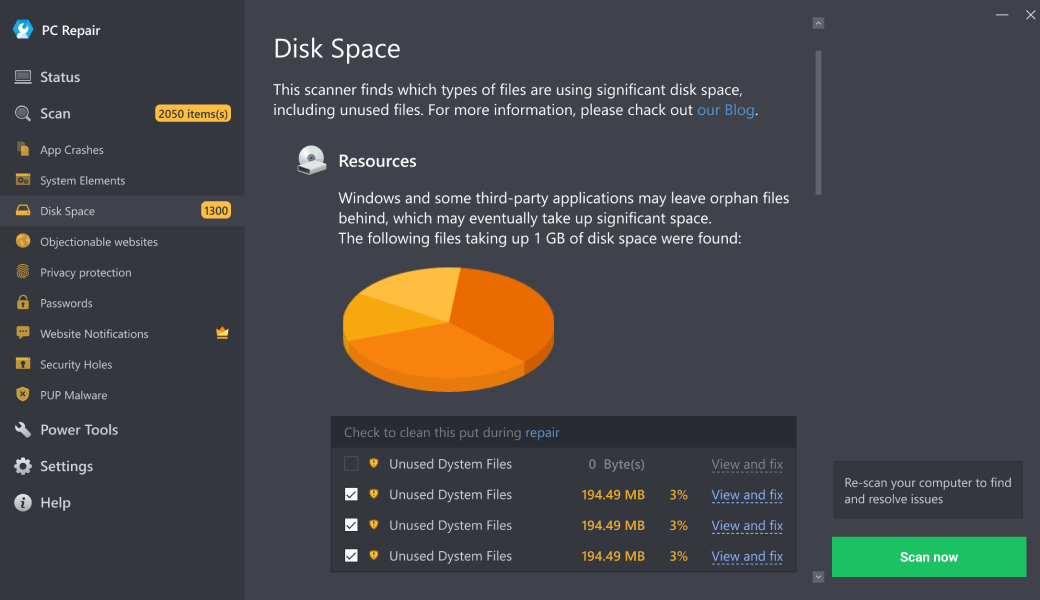
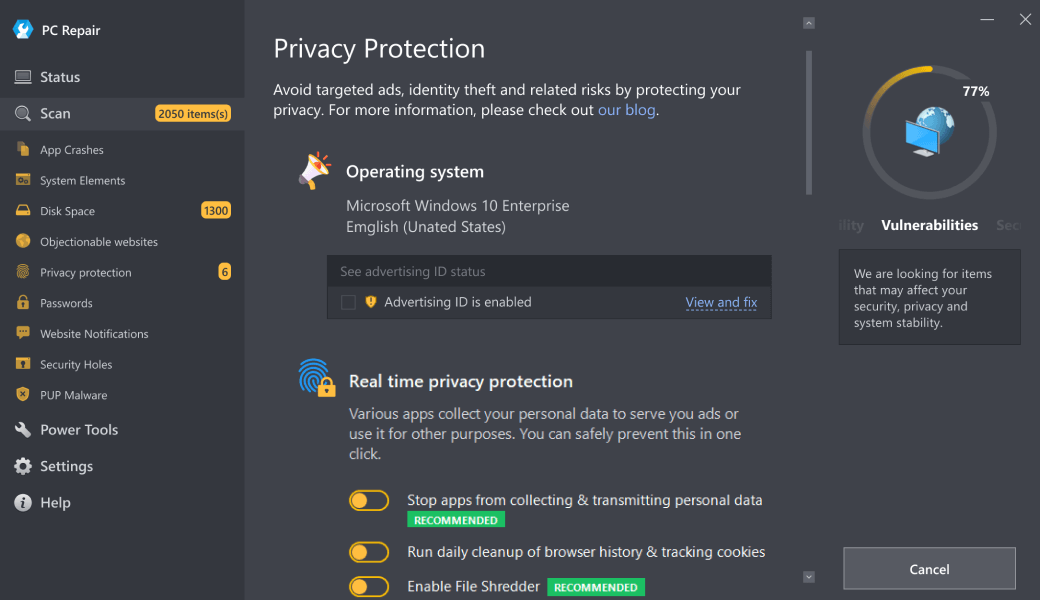
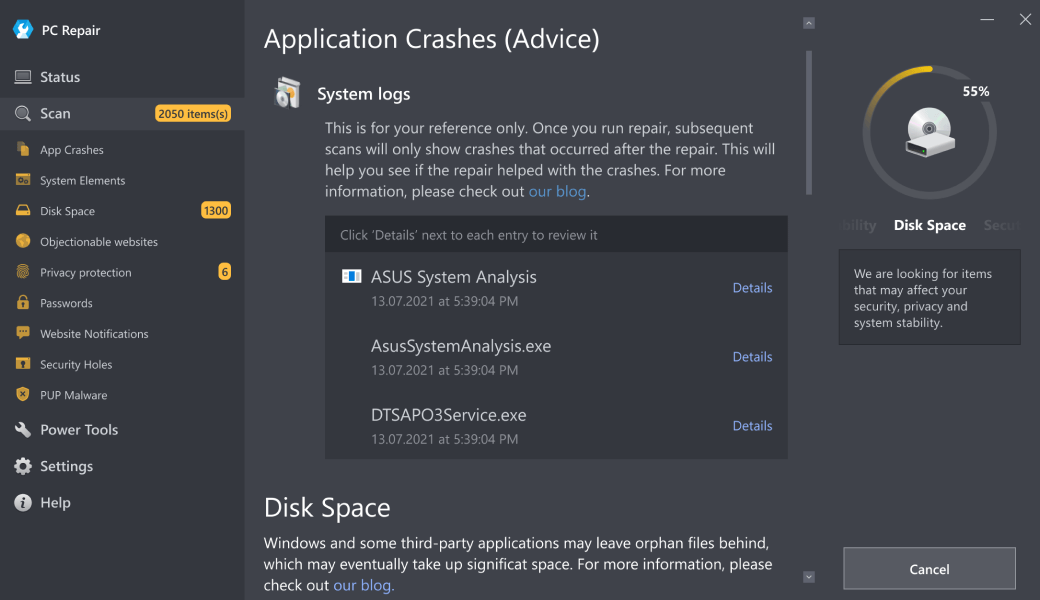
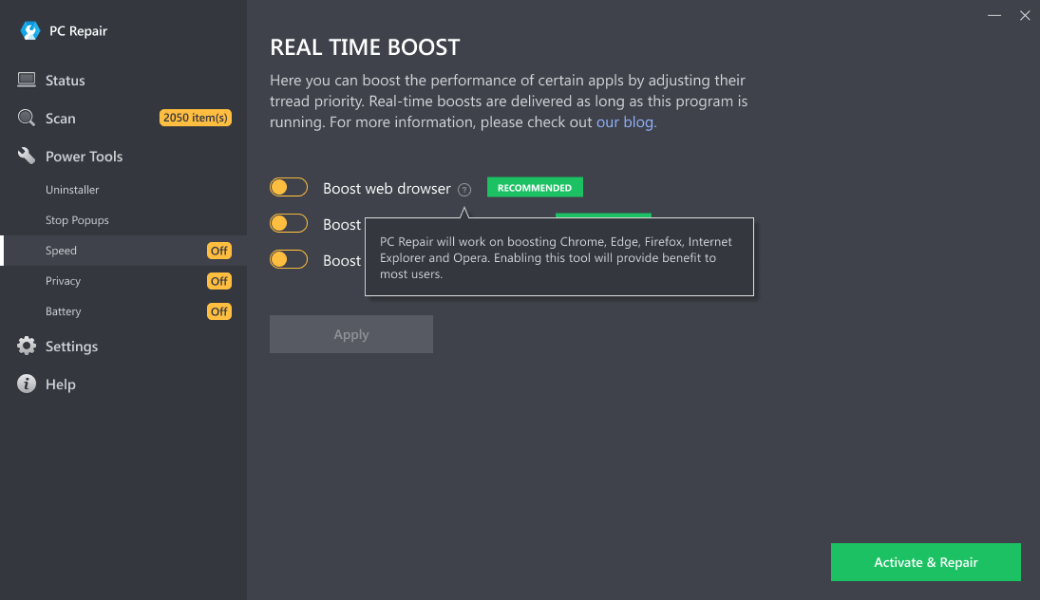
| Trial limitation: | Category-based repair access for at least 2 days |
| Price (full version): | From $29.95 |

The following steps should resolve the why-is-my-pc-so-slow issue:
- Step 1. Download Outbyte PC Repair application See more information about Outbyte; uninstall instructions; EULA; Privacy Policy.
- Step 2. Install and launch the application
- Step 3. Click the Scan Now button to detect issues and abnormalities
- Step 4. Click the Repair All button to resolve the issues
| Compatibility | Win 11, 10, 8 |
| Download Size | 28 MB |
| Requirements | 300 MHz Processor, 256 MB RAM, 101 MB disk space |
Limitations: The trial version offers unlimited scans, backups, and restores. Full version registration starts at $29.95.

Outbyte PC Repair (version 1.1.12.641) is certified by AppEsteem – a trusted cybersecurity organization – with ongoing monitoring.
Being able to meet all of AppEsteem’s strict requirements means that Outbyte PC Repair can be considered clean, safe, and transparent; and that it is compliant with the ethical and legal norms of distribution.
AppEsteem is one of the world’s most prominent cybersecurity organizations that contributes to the safety of more than 2 billion users. The company was founded by a team of experienced Microsoft cybersecurity specialists. Its mission is to create a safe space for computer and internet users where they are protected against cyber threats and deceptive or unethical practices.