How To Fix what is issue 0x8007045d in Windows
How To Fix what is issue 0x8007045d in Windows
Encountering issue code 0x8007045d on your Windows computer can be a frustrating experience. This issue typically indicates a data transfer or input/output (I/O) problem, meaning your computer is having difficulty reading or writing data during a specific operation. Think of it as a communication breakdown between different components of your system when trying to move or access information.
This issue commonly appears during several key activities: when you're installing new software or Windows updates, while copying files between drives or external devices, during system backup processes, or when attempting to burn data to CDs or DVDs. The issue affects all modern Windows versions, including Windows 10, Windows 11, and earlier systems like Windows 8.1 and Windows 7. When this issue occurs, it typically interrupts whatever task you're performing—whether that's a crucial software installation, file transfer, or system update—preventing you from completing the operation successfully.
While this issue might seem concerning, it's important to know that issue 0x8007045d is usually resolvable with systematic troubleshooting. The problem often relates to temporary glitches, connection issues with storage devices, or file system issues rather than indicating permanent hardware failure. In some cases, you might encounter related issues like 0x80070017 or 0x80070570, which share similar causes and solutions. The good news is that most users can resolve this issue using built-in Windows tools and straightforward troubleshooting steps without requiring advanced technical knowledge or expensive repairs.
PREPARATION STEPS
Before addressing Issue 0x8007045d, which typically indicates an I/O device issue during data transfer or system operations, please complete these essential preparatory measures to ensure system safety and data integrity.
1. Create a System Restore Point
- Press Windows Key + S, type "Create a restore point," and select the result.
- In System Properties, click Create, name it (e.g., "Pre-Issue 0x8007045d Resolve"), and confirm.
- Purpose: Allows safe rollback of system changes if modifications worsen the issue.
2. Back Up Critical Data
- Copy essential files to an external drive or cloud storage using File Explorer or your preferred backup tool.
- Purpose: Protects against potential data loss during troubleshooting.
3. Temporarily Disable Antivirus/Firewall
- Open your antivirus software (e.g., Windows Security via Settings > Update & Security > Windows Security), navigate to Virus & Threat Protection, and temporarily disable real-time protection.
- Purpose: Eliminates interference from security software that may block necessary system operations.
4. Check Disk Health and Connections
- Ensure all internal/external storage drives are securely connected; for laptops/desktops, consider reseating SATA/USB cables if accessible.
- Purpose: Rules out physical connectivity issues contributing to the I/O issue.
STEP-BY-STEP FIXES
Here are three manual solutions to resolve Issue 0x8007045d. Execute them in sequence, verifying if the issue persists after each.
Method 1: Run CHKDSK to Repair Disk Issues
1. Open Command Prompt as Administrator (search "cmd," right-click, select "Run as administrator").
2. To scan and resolve the system drive (usually C:), enter:
   ```cmd
   chkdsk C: /f /r
   ```
3. If prompted to schedule on restart, type Y and reboot.
4. Allow the scan to complete; this may take hours for large drives.
5. Warning: Do not interrupt the process, as it may cause data corruption.
Method 2: Use SFC and DISM to Repair System Files
1. Launch an elevated Command Prompt (as in Solution 1).
2. Run System File Checker to scan and restore corrupted files:
   ```cmd
   sfc /scannow
   ```
3. If SFC reports issues it cannot resolve, use Deployment Image Servicing and Management:
   ```cmd
   DISM /Online /Cleanup-Image /RestoreHealth
   ```
4. Restart your PC after both commands complete.
5. Re-run SFC if DISM was used to ensure all corruptions are resolved.
Method 3: Check and Update Disk Drivers
1. Press Windows Key + X, select Device Manager.
2. Expand "Disk drives," right-click each listed drive, and choose "Update driver."
3. Select "Search automatically for updated driver software" and follow prompts.
4. If issues persist, right-click the drive, choose "Uninstall device," then restart to reinstall drivers.
5. Warning: Uninstalling drivers will require a reboot; ensure no critical tasks are active.
ADVANCED SOLUTION OPTION
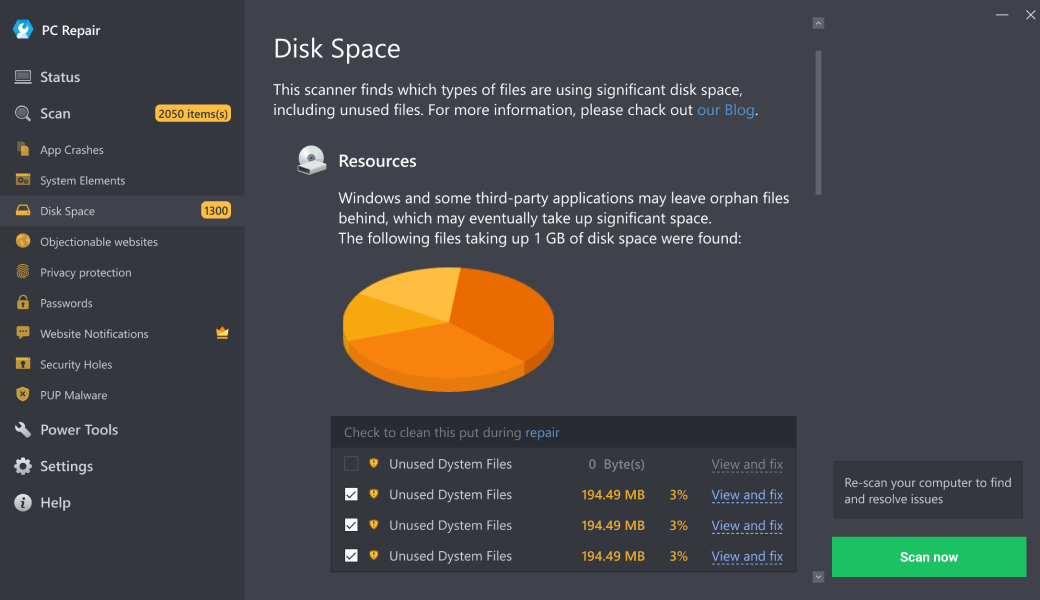
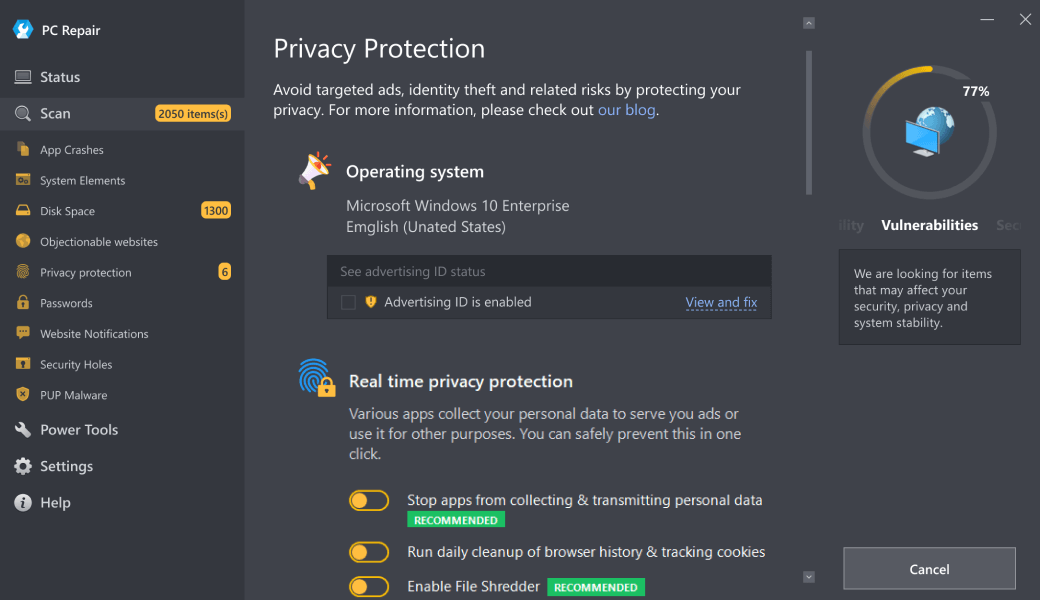
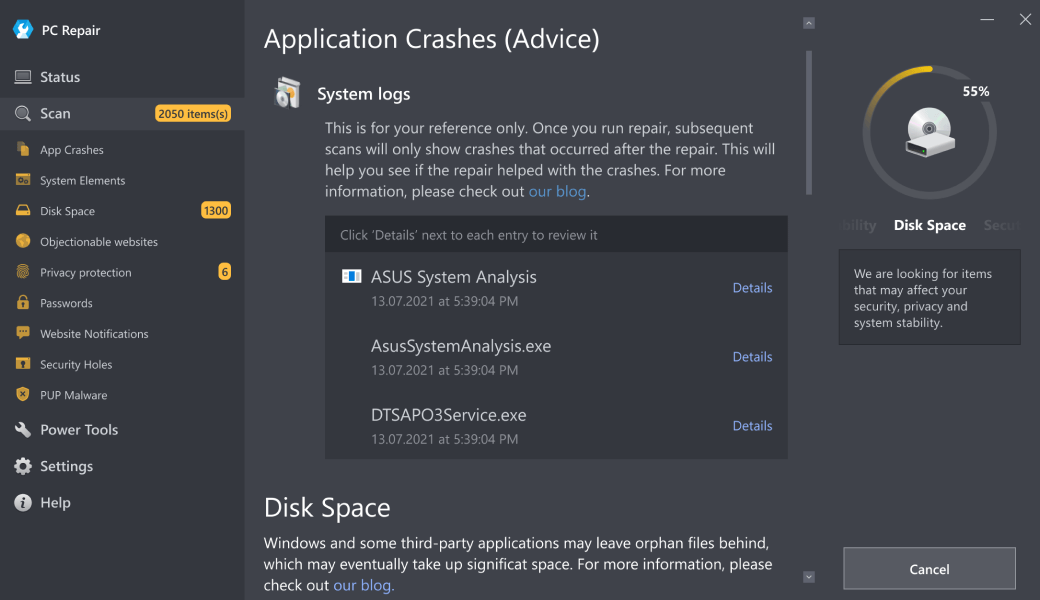
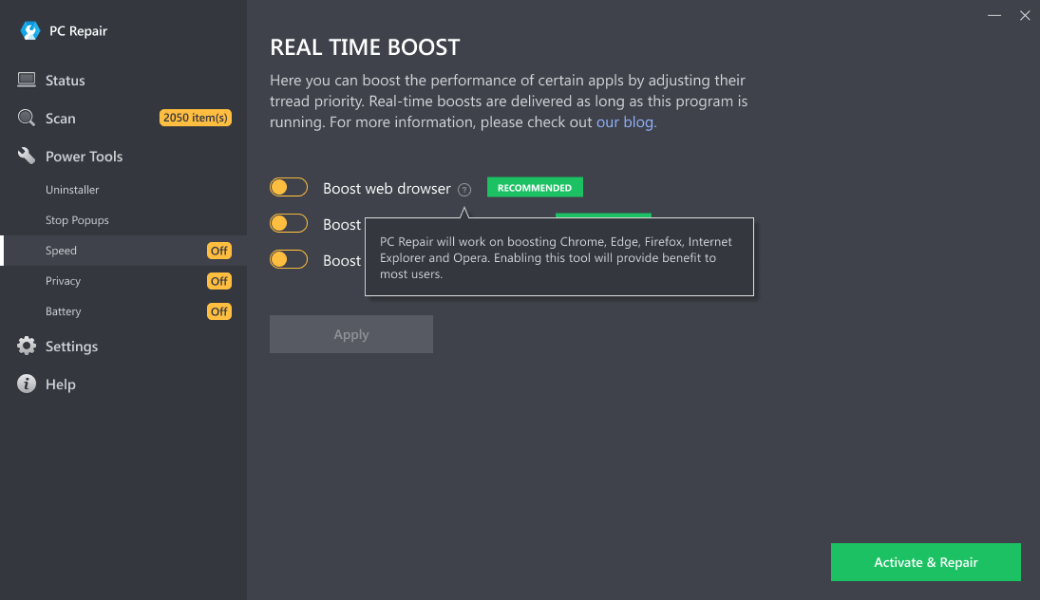
For users encountering persistent or complex instances of Issue 0x8007045d—particularly when manual methods prove time-consuming or insufficient—leveraging a dedicated automated repair tool can provide a streamlined resolution. Outbyte PC Repair offers a professional-grade approach by conducting comprehensive system diagnostics to identify underlying causes such as registry issues, system file corruption, or driver conflicts. Its features include automated issue resolution, performance optimization through junk file cleanup and startup management, and ongoing system health monitoring. This option is advisable for those seeking an efficient, all-in-one maintenance solution without manual intervention, ensuring system stability while minimizing technical oversight requirements.
Download Outbyte PC Repair for automated issue diagnosis and repair (compatible with Windows 8/10/11).Special offer. See more information about Outbyte; uninstall instructions; EULA; Privacy Policy.
MAIN CAUSES
1. Corrupted System Files or Registry Entries
Windows system files or registry entries essential for data transfer operations may become corrupted due to improper shutdowns, malware infections, or software conflicts. This corruption prevents the operating system from correctly reading or writing data during installation or file operations, triggering the I/O device issue.
2. Failing Storage Hardware
The issue frequently indicates physical degradation of storage media. Hard disk drives may develop bad sectors where data cannot be reliably written or retrieved, while solid-state drives may experience memory cell wear-out or controller failures. These hardware issues manifest as I/O issues when Windows attempts to access compromised storage locations.
3. Damaged or Incompatible Device Drivers
Outdated, corrupted, or incompatible storage controller drivers can disrupt communication between the operating system and storage hardware. When drivers cannot properly translate Windows commands into hardware instructions, data transfer operations fail, generating the 0x8007045D issue code.
4. File System Corruption
The NTFS or FAT32 file system structures that organize data on storage volumes can become corrupted due to power interruptions, system crashes, or improper ejection of external drives. This corruption damages the file allocation tables and directory structures that Windows relies upon to locate and access files.
5. Malware or Virus Infections
Malicious software may deliberately corrupt system files, modify registry settings, or interfere with disk operations to disrupt normal system functionality. These alterations can block legitimate data access patterns, causing I/O operations to fail with issue code 0x8007045D.
6. Insufficient System Resources
When available RAM is critically low or virtual memory is improperly configured, Windows may struggle to complete complex I/O operations. Memory constraints can interrupt data transfer processes mid-execution, particularly during large file operations or software installations.
7. Connection or Cable Issues (External Drives)
For external storage devices, faulty USB cables, loose connections, or insufficient power supply can create intermittent communication failures. These physical connection problems prevent stable data transfer between the computer and external storage, resulting in I/O issues.
CONCLUSION
The 0x8007045D issue represents a significant system concern that requires immediate attention to prevent potential data loss and further system instability. This Input/Output device issue indicates fundamental communication breakdowns between your operating system and storage hardware, necessitating a systematic approach to diagnosis and resolution. Regular proactive maintenance remains the most effective strategy for preventing such issues and ensuring optimal system performance.
Implementing consistent PC maintenance practices can dramatically reduce the likelihood of encountering such critical issues. Begin with regular disk cleanup operations to remove temporary files and system clutter that can contribute to storage issues. Schedule weekly malware scans using reputable security software to detect and eliminate potential threats before they can corrupt system files. Perform monthly disk issue checking using Windows' built-in CHKDSK utility to identify and repair file system inconsistencies. Update device drivers regularly, particularly those for storage controllers and chipset components, to ensure hardware compatibility and stability. Maintain adequate free space on your system drive—at least 15-20% of total capacity—to prevent resource contention during system operations. Consider using comprehensive maintenance tools like Outbyte PC Repair, which can automate many of these maintenance tasks, including registry cleaning, junk file removal, and driver updates through a streamlined interface.
When troubleshooting the 0x8007045D issue specifically, start with basic hardware diagnostics before progressing to more complex software solutions. Test storage devices on different systems if possible, replace connection cables for external drives, and run hardware diagnostic tools provided by storage manufacturers. If the issue persists despite these measures, particularly during Windows installation or critical system operations, seek professional technical assistance to prevent irreversible data loss or hardware damage.
Remember that system reliability forms the foundation of productive computing. Regular maintenance not only prevents disruptive issues but also extends the operational lifespan of your hardware components. By establishing consistent care routines for your computer system, you ensure that your device remains capable of handling your daily computing requirements without unexpected interruptions or performance degradation.
| Trial limitation: | Category-based repair access for at least 2 days |
| Price (full version): | From $29.95 |

The following steps should resolve the what-is-error-0x8007045d issue:
- Step 1. Download Outbyte PC Repair application See more information about Outbyte; uninstall instructions; EULA; Privacy Policy.
- Step 2. Install and launch the application
- Step 3. Click the Scan Now button to detect issues and abnormalities
- Step 4. Click the Repair All button to resolve the issues
| Compatibility | Win 11, 10, 8 |
| Download Size | 28 MB |
| Requirements | 300 MHz Processor, 256 MB RAM, 101 MB disk space |
Limitations: The trial version offers unlimited scans, backups, and restores. Full version registration starts at $29.95.

Outbyte PC Repair (version 1.1.12.641) is certified by AppEsteem – a trusted cybersecurity organization – with ongoing monitoring.
Being able to meet all of AppEsteem’s strict requirements means that Outbyte PC Repair can be considered clean, safe, and transparent; and that it is compliant with the ethical and legal norms of distribution.
AppEsteem is one of the world’s most prominent cybersecurity organizations that contributes to the safety of more than 2 billion users. The company was founded by a team of experienced Microsoft cybersecurity specialists. Its mission is to create a safe space for computer and internet users where they are protected against cyber threats and deceptive or unethical practices.