How To Fix the usb drive is write protected in Windows
How To Fix the usb drive is write protected in Windows
When you encounter the "USB drive is write protected" issue in Windows, it means your computer recognizes the USB device but cannot save, modify, or delete any files on it. This protection acts as a safety feature to prevent accidental data loss or corruption, similar to the lock switch on some SD cards. However, when this protection activates unexpectedly, it can be frustrating and disruptive to your workflow.
This issue typically occurs in several common situations: when using older USB drives with physical lock switches that have been accidentally engaged, when dealing with drives that have developed file system issues, or when Windows security settings or group policies restrict write access. The issue affects all modern versions of Windows, including Windows 10, Windows 11, and earlier systems like Windows 8.1 and Windows 7. While your computer's overall functionality remains unaffected, this specific limitation prevents you from transferring files to the drive, installing programs from it, or updating existing content stored on the device.
Fortunately, this is a common and resolvable issue that doesn't indicate permanent drive failure in most cases. The protection can stem from various sources—physical switches, software settings, registry entries, or temporary system glitches—but multiple straightforward solutions exist to restore full functionality to your USB drive. With systematic troubleshooting, you can typically resolve this problem within minutes and regain complete access to your storage device for all your data transfer needs.
PREPARATION STEPS
Before attempting to resolve the "USB drive is write protected" issue, please complete these preparatory measures to ensure system safety and data integrity.
1. Create a System Restore Point
- Open Start Menu, type "Create a restore point," and select the result.
- In System Properties, click "Create," name it (e.g., "Pre-USB Resolve"), and confirm.
- Purpose: Allows you to revert system changes if modifications cause unintended issues.
2. Back Up Important Data from the USB Drive
- Connect the USB drive and copy all accessible files to a secure location on your computer or cloud storage.
- Purpose: Safeguards your data in case the drive becomes inaccessible during troubleshooting.
3. Temporarily Disable Antivirus/Firewall
- Open your antivirus software (e.g., Windows Security), navigate to Virus & Threat Protection, and temporarily disable real-time protection.
- Purpose: Eliminates potential software interference that may block write operations on the USB drive.
4. Check for Physical Write-Protection Switch
- Inspect the USB drive for a physical lock switch (common on SD cards or some USB models) and ensure it is in the unlocked position.
- Purpose: Confirms the issue is not due to a simple mechanical lock preventing writes.
STEP-BY-STEP FIXES
If preparation steps do not resolve the issue, proceed with these manual solutions.
Method 1: Use DiskPart to Remove Write Protection
1. Press `Win + X` and select "Windows PowerShell (Admin)" or "Command Prompt (Admin)."
2. Type the following commands, pressing Enter after each:
   ```diskpart
   list disk
   select disk X  # Replace X with your USB drive number from the list
   attributes disk clear readonly
   ```
3. Type `exit` and press Enter.
4. Safely eject and reconnect the USB drive to test.
Warning: Ensure you select the correct disk number to avoid data loss on other drives.
Method 2: Modify Registry WriteProtect Value
1. Press `Win + R`, type `regedit`, and press Enter.
2. Navigate to:
   ```
   HKEY_LOCAL_MACHINE\SYSTEM\CurrentControlSet\Control\StorageDevicePolicies
   ```
3. Double-click `WriteProtect` in the right pane, change its value to `0`, and click OK.
4. If the key does not exist, right-click `Control`, select New > Key, name it `StorageDevicePolicies`, then create a DWORD named `WriteProtect` with value `0`.
5. Restart your computer and test the USB drive.
Warning: Incorrect registry edits can cause system instability; proceed with caution.
Method 3: Format the USB Drive (Data Loss Warning)
1. Open File Explorer, right-click the USB drive, and select "Format."
2. Ensure "File system" is set to NTFS or FAT32 and uncheck "Quick Format."
3. Click "Start" and confirm any warnings—this will erase all data on the drive.
4. After formatting completes, test write capability.
Note: Only use this if you have already backed up all data from the USB drive.
ADVANCED SOLUTION OPTION
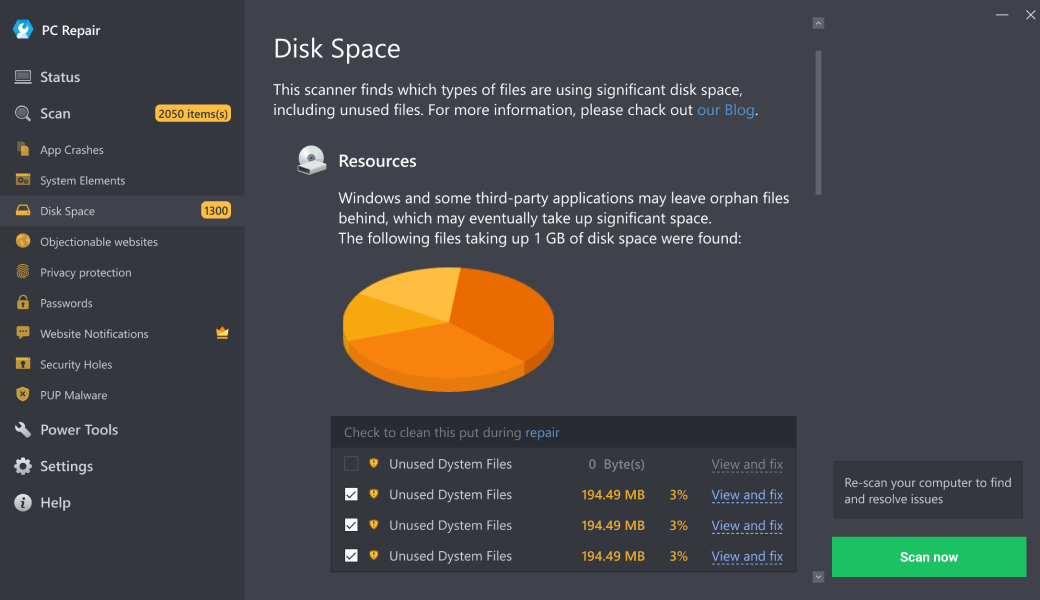
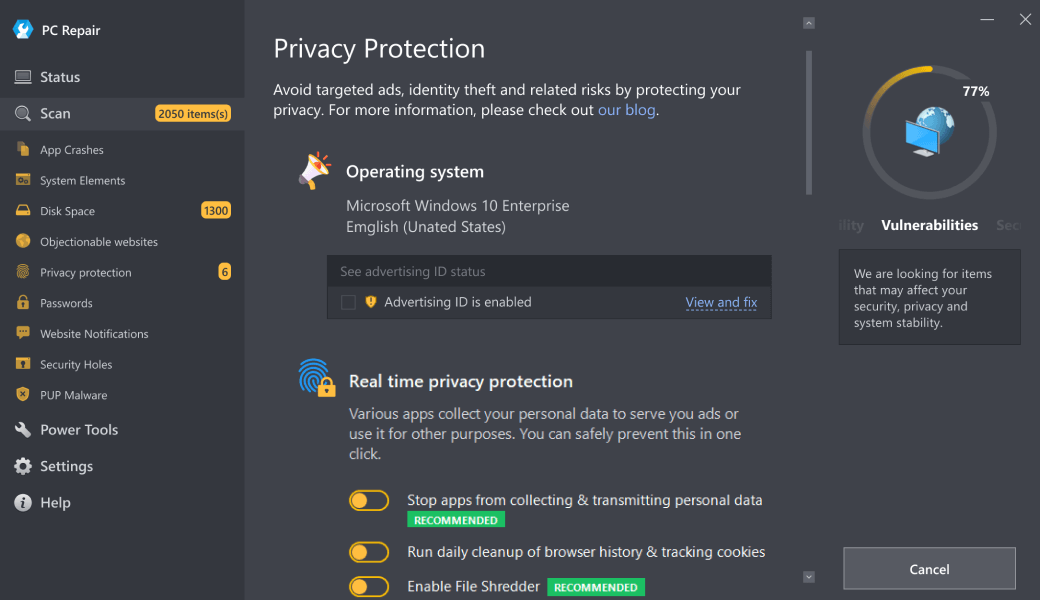
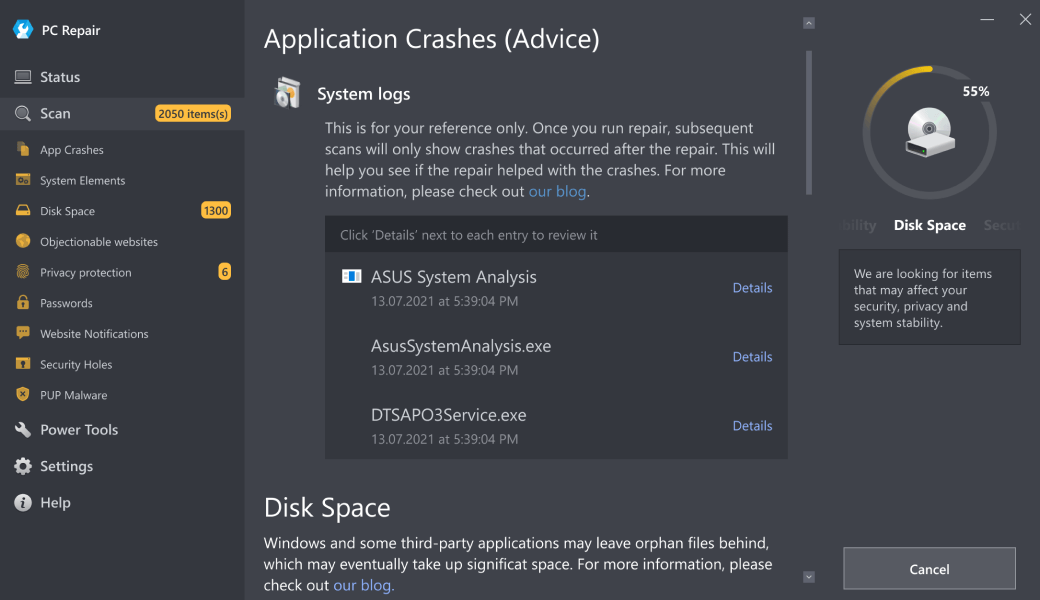
For users encountering persistent or complex system-related write protection issues—such as those stemming from deep-seated registry issues, driver conflicts, or cumulative system file corruption—an automated repair tool may provide a more efficient and comprehensive resolution. Outbyte PC Repair is a professional-grade utility designed to address such scenarios systematically; it performs thorough diagnostics to identify root causes of hardware access restrictions, repairs invalid registry entries affecting storage devices, optimizes system performance by clearing obsolete files, and ensures overall system health through structured maintenance routines. This approach is particularly valuable when manual methods prove insufficient or when time constraints necessitate a reliable, all-in-one solution without requiring advanced technical expertise from the user.
Download Outbyte PC Repair for automated issue diagnosis and repair (compatible with Windows 8/10/11).Special offer. See more information about Outbyte; uninstall instructions; EULA; Privacy Policy.
MAIN CAUSES
1. Physical Write-Protection Switch
Many USB drives feature a small physical switch on the housing that manually enables or disables write protection. When this switch is slid to the "lock" position, it physically prevents any data modification on the drive, effectively making it read-only. This hardware-level protection overrides any software settings and is commonly overlooked during troubleshooting.
2. Registry Configuration Issues
Windows maintains specific registry entries that control USB device permissions. If the "WriteProtect" value in the Windows Registry (typically located at HKEY_LOCAL_MACHINE\SYSTEM\CurrentControlSet\Control\StorageDevicePolicies) is set to "1," it enforces write protection across all removable storage devices. This setting can be modified by security software, group policies, or previous system configurations.
3. File System Corruption or Issues
When the USB drive's file system (such as FAT32, exFAT, or NTFS) develops corruption or structural issues, Windows may automatically enable write protection as a safety measure. This prevents further data loss by blocking write operations that could exacerbate existing file system damage. Common causes include improper ejection, power interruptions during transfers, or bad sectors on the flash memory.
4. Malware or Security Software Intervention
Antivirus programs and security suites may temporarily impose write protection when they detect suspicious activity or potential threats. Similarly, malware infections often enable write protection to prevent their removal or to maintain persistence on infected drives. Enterprise environments may also deploy group policies that enforce write protection for security compliance.
5. Drive Hardware Failure or Wear
USB flash drives have limited write cycles, and as they approach end-of-life, the controller may automatically enable write protection to preserve existing data when it detects failing memory cells. Physical damage to the drive's circuitry or degraded NAND flash memory can also trigger protective measures that prevent further write operations.
6. Permission and Access Rights Configuration
The drive may have restrictive NTFS permissions or be configured for read-only access at the operating system level. If the current user account lacks appropriate write permissions, or if the drive was previously used on a different system with specific access controls, Windows will treat it as write-protected.
7. Drive Capacity and Space Issues
While less common, some USB drives may appear write-protected when they're completely full or when there's insufficient space for file system metadata updates. The drive's controller might interpret these space constraints as a protection mechanism, particularly if the file allocation table cannot be updated properly.
CONCLUSION
Maintaining reliable USB drive functionality requires consistent attention to both hardware care and software management. The write protection issue serves as an important reminder that storage devices need regular maintenance to perform optimally. For daily computing reliability, implement a structured maintenance routine that includes safely ejecting USB devices through the system tray before physical removal, regularly scanning drives for issues using Windows' built-in Check Disk utility, and keeping backup copies of critical data stored on removable media.
Proactive system maintenance should encompass several key practices: regularly update your operating system and drivers to ensure compatibility with storage devices; perform disk cleanup operations to remove temporary files that can cause conflicts; use reputable antivirus software with real-time protection; monitor system health through Event Viewer for early warning signs; defragment hard drives (though not SSDs or USB drives) to maintain overall system performance; and periodically review device manager for any hardware conflicts. Tools like Outbyte PC Repair can assist with automating some maintenance tasks, including registry cleaning and driver updates, though they should complement rather than replace manual system checks.
Understanding when to seek technical assistance is crucial—if basic troubleshooting steps like checking physical switches, attempting repairs on different computers, or using diskpart commands don't resolve the issue, consult professional IT support. Persistent write protection problems often indicate deeper hardware or system configuration issues that require expert diagnosis. For business environments, consider establishing standardized procedures for USB device usage and maintenance to prevent recurrent issues. Remember that reliable data storage is fundamental to productive computing, and investing time in proper device management prevents data loss and operational disruptions. Regular maintenance not only resolves immediate issues like write protection but also extends the lifespan of your storage devices and ensures consistent performance when you need access to your important files and documents.

| Trial limitation: | Category-based repair access for at least 2 days |
| Price (full version): | From $29.95 |

The following steps should resolve the the-usb-drive-is-write-protected issue:
- Step 1. Download Outbyte PC Repair application See more information about Outbyte; uninstall instructions; EULA; Privacy Policy.
- Step 2. Install and launch the application
- Step 3. Click the Scan Now button to detect issues and abnormalities
- Step 4. Click the Repair All button to resolve the issues
| Compatibility | Win 11, 10, 8 |
| Download Size | 28 MB |
| Requirements | 300 MHz Processor, 256 MB RAM, 101 MB disk space |
Limitations: The trial version offers unlimited scans, backups, and restores. Full version registration starts at $29.95.

Outbyte PC Repair (version 1.1.12.641) is certified by AppEsteem – a trusted cybersecurity organization – with ongoing monitoring.
Being able to meet all of AppEsteem’s strict requirements means that Outbyte PC Repair can be considered clean, safe, and transparent; and that it is compliant with the ethical and legal norms of distribution.
AppEsteem is one of the world’s most prominent cybersecurity organizations that contributes to the safety of more than 2 billion users. The company was founded by a team of experienced Microsoft cybersecurity specialists. Its mission is to create a safe space for computer and internet users where they are protected against cyber threats and deceptive or unethical practices.