Title: How To Fix Printer Spooler Problem in Windows
Title: How To Fix Printer Spooler Problem in Windows
Introduction:
The printer spooler problem in Windows occurs when the Print Spooler service, which manages print jobs and communication between your computer and printer, encounters an issue or stops functioning properly. This essential Windows component acts as a middleman that organizes documents waiting to print, allowing you to continue working while printing occurs in the background. When the spooler malfunctions, it disrupts this process and prevents successful printing.
This issue typically appears when you try to print documents and receive issue messages like "Print spooler not running," "Operation could not be completed," or specific issue codes such as 0x000006ba, 0x0000007e, or 0x0000011b. Common scenarios include after Windows updates, when printer drivers become corrupted, due to insufficient disk space in the spooler folder, or when the spooler service stops unexpectedly. The problem affects all modern Windows versions including Windows 10, Windows 11, and Windows Server editions.
When experiencing printer spooler issues, you may notice documents stuck in the print queue, inability to delete print jobs, printers appearing offline even when connected, or complete failure to print any documents. While frustrating, this problem is generally resolvable through systematic troubleshooting steps that don't require advanced technical knowledge. The following guide provides clear, step-by-step solutions to restore your printing functionality efficiently.
PREPARATION STEPS
Before addressing the printer spooler problem, complete these preparatory measures to ensure system safety and stability:
1. Create a System Restore Point
- Press Windows + S, type "Create a restore point," and select the result.
- In the System Properties window, click Create, name it (e.g., "Pre-Printer Spooler Resolve"), and confirm.
- *Purpose:* Allows you to revert system changes if modifications cause unintended issues.
2. Back Up Critical Data
- Copy important documents, printer configurations, or driver files to an external drive or cloud storage.
- *Purpose:* Protects against data loss during troubleshooting or driver reinstallation.
3. Temporarily Disable Antivirus/Firewall
- Open your antivirus software, navigate to settings, and temporarily disable real-time protection.
- *Purpose:* Prevents interference with spooler service restarts or driver installations.
4. Note Printer Details
- Record the printer model, installed drivers, and any custom settings from Devices and Printers.
- *Purpose:* Facilitates accurate reconfiguration if a reset is required.
STEP-BY-STEP FIXES
Try these manual solutions in sequence to resolve the printer spooler issue:
Method 1: Restart Print Spooler Service
1. Press Windows + R, type `services.msc`, and press Enter.
2. Locate Print Spooler in the services list.
3. Right-click it, select Stop, then wait 10 seconds.
4. Right-click again and choose Start.
5. Confirm the service status is "Running."
6. Test printing to verify functionality.
Method 2: Clear Spooler Directory Manually
1. Stop the Print Spooler service using Solution 1, Steps 1–3.
2. Press Windows + R, type `%WINDIR%\system32\spool\PRINTERS`, press Enter.
3. Delete all files in the opened folder (admin rights may be required).
4. Restart the Print Spooler service as in Solution 1, Step 4.
5. Reboot the computer and attempt printing.
Method 3: Re-register Spooler Components via Command Line
1. Open Command Prompt as Administrator (search "cmd," right-click, "Run as administrator").
2. Stop the spooler with:
   ```cmd
   net stop spooler
   ```
3. Re-register critical DLLs by entering:
   ```cmd
   regsvr32 %windir%\system32\spoolsv.exe
   ```
4. Start the spooler again:
   ```cmd
   net start spooler
   ```
5. Restart the PC and check if printing works.
ADVANCED SOLUTION OPTION
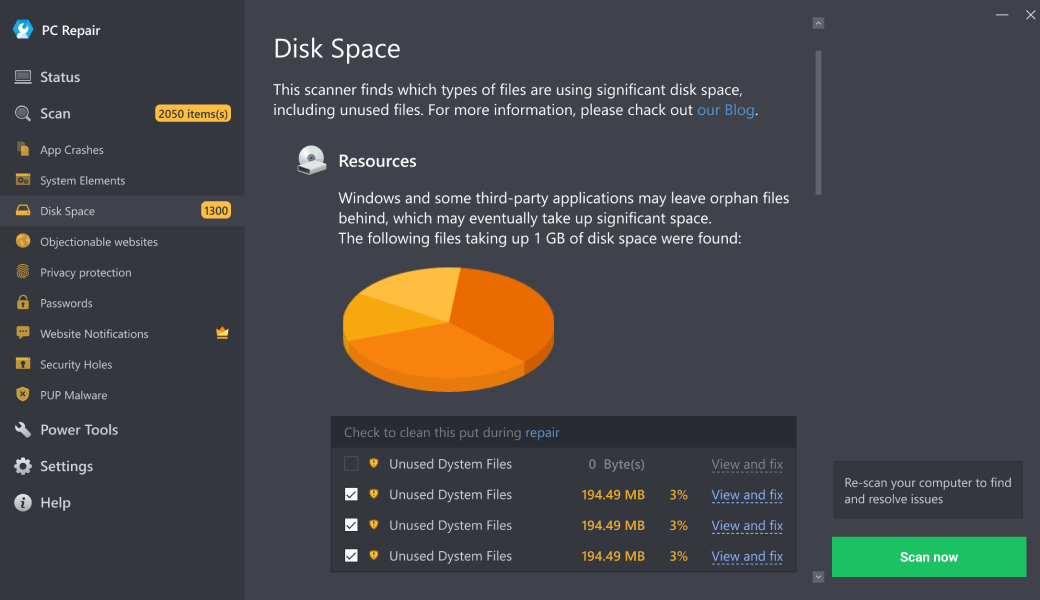
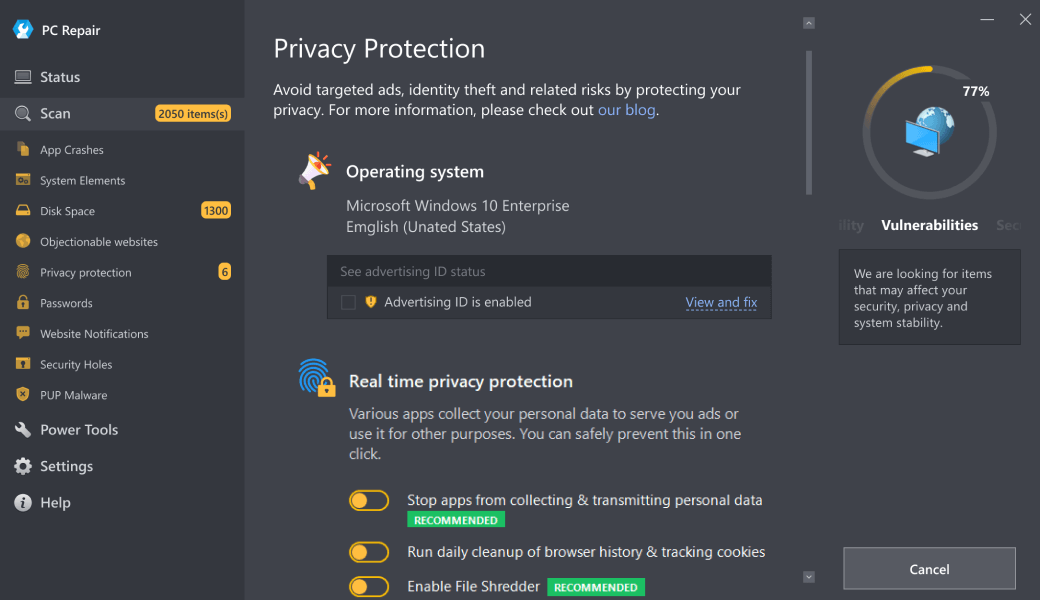
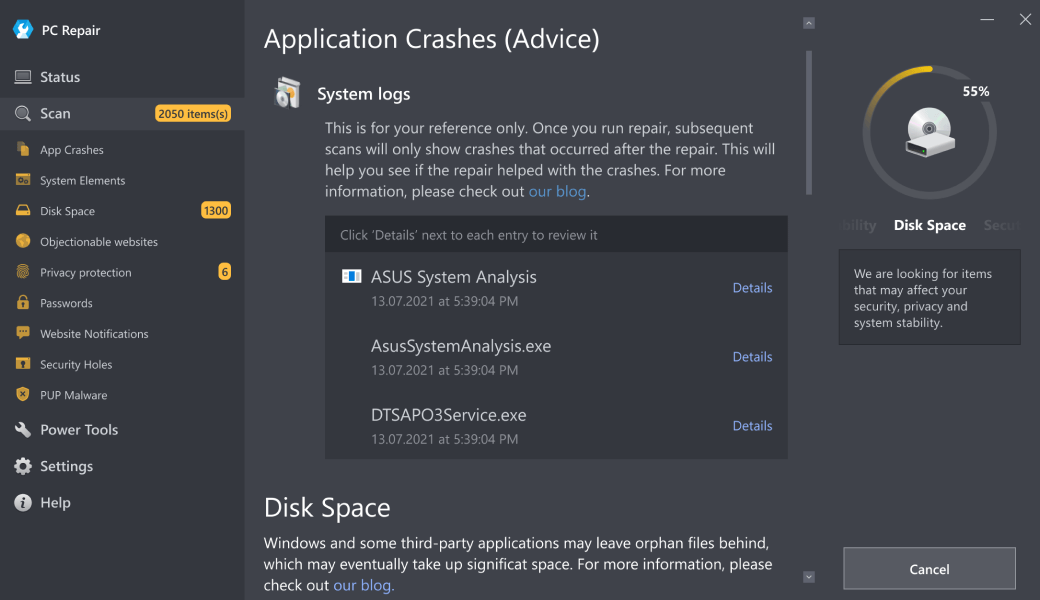
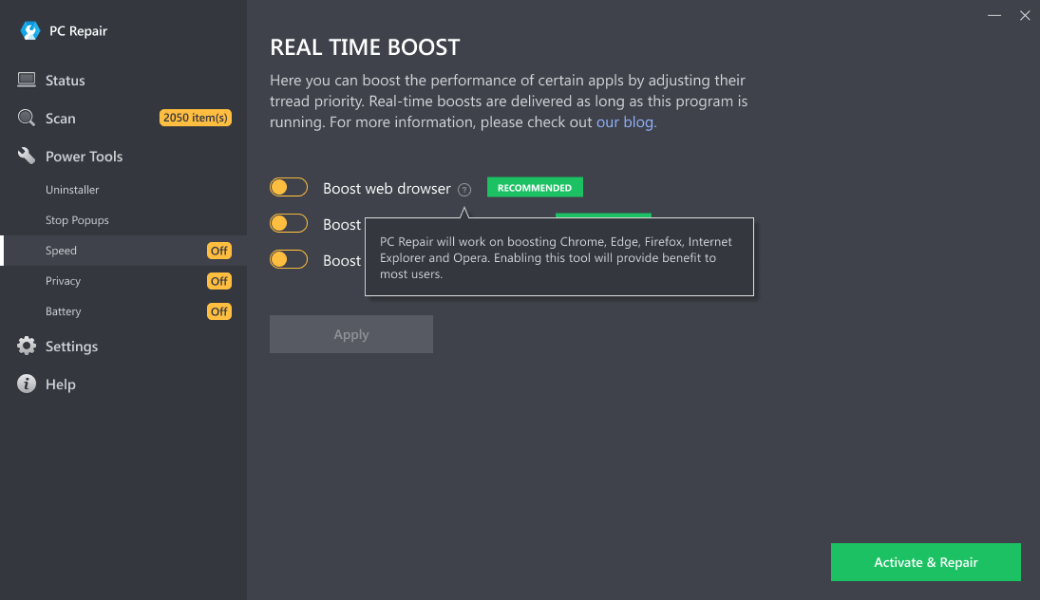
For persistent or complex printer spooler issues—such as recurring issues after manual resolves, corrupted system files affecting multiple services, or when time constraints require efficient resolution—an automated repair tool like Outbyte PC Repair can be a practical alternative. It addresses underlying system problems, including registry issues, faulty dependencies, and performance bottlenecks, through comprehensive scanning and repair functions. This approach minimizes manual effort while ensuring system-wide health and stability, making it suitable for users needing reliable, all-in-one maintenance without technical oversight.
Download Outbyte PC Repair for automated issue diagnosis and repair (compatible with Windows 8/10/11).Special offer. See more information about Outbyte; uninstall instructions; EULA; Privacy Policy.
MAIN CAUSES
1. Corrupted Print Spooler Service
The Windows Print Spooler service (spoolsv.exe) manages all print jobs and printer communications. When this service becomes corrupted due to incomplete installations, system crashes, or malware interference, it can fail to start or function properly. Corruption may occur in the service executable itself or its associated registry entries, preventing normal printer operations.
2. Damaged Printer Drivers
Outdated, incompatible, or corrupted printer drivers are a common source of spooler issues. Drivers act as translators between your operating system and printer hardware. When these drivers become damaged through improper installations, Windows updates, or conflicts with other software, the spooler cannot process print jobs correctly, leading to queue freezes or service crashes.
3. Insufficient System Resources
The Print Spooler requires adequate system resources to function. When available disk space falls below critical levels (particularly on the system drive where spool files are stored), or when RAM becomes severely constrained due to multiple applications running simultaneously, the spooler may fail to process jobs or stop responding entirely.
4. Corrupted Print Queue
Individual print jobs that become stuck in the queue can cause cascading failures. Large documents, complex graphics, or jobs with formatting issues may not process completely, creating a bottleneck that prevents subsequent jobs from printing. The spooler database files storing queue information can also become corrupted, requiring manual intervention to clear.
5. Windows Update Conflicts
Recent Windows updates sometimes introduce compatibility issues with existing printer configurations. These conflicts can manifest as service failures, driver incompatibilities, or permission changes that prevent the spooler from accessing necessary system resources. The issue may appear suddenly after an automatic update installation.
6. Permission and Security Issues
The Print Spooler service requires specific system permissions to access printer components and spool files. Changes in user account control settings, group policies, or security software configurations can inadvertently restrict these permissions. Additionally, certain vulnerabilities have led Microsoft to implement security restrictions that may affect spooler functionality in some environments.
7. Third-Party Software Interference
Security applications, system utilities, or other background processes can interfere with spooler operations. Antivirus software may mistakenly quarantine spooler components, while optimization tools might disable the service incorrectly. Conflicting applications can also consume resources needed for proper spooler function.
CONCLUSION
Maintaining reliable printer functionality requires consistent system care and proactive maintenance practices. The Print Spooler service, while generally robust, depends on multiple system components working harmoniously. Regular maintenance not only prevents spooler issues but also enhances overall system stability and performance.
Implement a structured maintenance routine that includes periodically clearing the print queue of completed jobs, updating printer drivers through official manufacturer sources, and ensuring adequate disk space on your system drive. Regular system file checks using built-in Windows utilities like System File Checker (SFC) can identify and repair corrupted system files before they cause service interruptions. Additionally, maintaining updated Windows installations ensures you receive important security patches and compatibility resolves that affect printer operations.
For comprehensive system maintenance, consider utilizing specialized PC optimization tools like Outbyte PC Repair, which can automate many maintenance tasks including registry cleaning, driver updates, and system optimization. These tools help identify underlying issues that may not be immediately apparent through manual troubleshooting.
When encountering persistent spooler problems despite basic troubleshooting, it may indicate deeper system issues requiring professional attention. Symptoms such as recurring service crashes across multiple printer models, issue messages referencing specific system files, or issues persisting after driver reinstallation warrant technical support intervention. Remember that reliable printing capability is essential for both personal and professional computing needs, making prompt resolution of spooler issues crucial for maintaining productivity.
Establishing regular maintenance schedules and addressing minor system issues proactively will significantly reduce the likelihood of encountering Print Spooler failures. This approach ensures that your printing infrastructure remains dependable when you need it most, supporting seamless document processing and output for all your computing requirements.
| Trial limitation: | Category-based repair access for at least 2 days |
| Price (full version): | From $29.95 |

The following steps should resolve the printer-spooler-problem issue:
- Step 1. Download Outbyte PC Repair application See more information about Outbyte; uninstall instructions; EULA; Privacy Policy.
- Step 2. Install and launch the application
- Step 3. Click the Scan Now button to detect issues and abnormalities
- Step 4. Click the Repair All button to resolve the issues
| Compatibility | Win 11, 10, 8 |
| Download Size | 28 MB |
| Requirements | 300 MHz Processor, 256 MB RAM, 101 MB disk space |
Limitations: The trial version offers unlimited scans, backups, and restores. Full version registration starts at $29.95.

Outbyte PC Repair (version 1.1.12.641) is certified by AppEsteem – a trusted cybersecurity organization – with ongoing monitoring.
Being able to meet all of AppEsteem’s strict requirements means that Outbyte PC Repair can be considered clean, safe, and transparent; and that it is compliant with the ethical and legal norms of distribution.
AppEsteem is one of the world’s most prominent cybersecurity organizations that contributes to the safety of more than 2 billion users. The company was founded by a team of experienced Microsoft cybersecurity specialists. Its mission is to create a safe space for computer and internet users where they are protected against cyber threats and deceptive or unethical practices.