How To Fix Printer Scan to Computer in Windows
How To Fix Printer Scan to Computer in Windows
When your printer's scan-to-computer function stops working in Windows, it means your computer cannot properly communicate with your scanner to receive and save digital copies of documents or photos. This common issue typically manifests when you try to scan a document, but the process fails to start, gets stuck, or completes without saving the file to your designated folder. You might encounter generic issue messages, a complete lack of response from the scanning software, or the scan job may simply disappear.
This problem can occur across various Windows versions, including Windows 10 and Windows 11, and often arises after a Windows update, a change in your network configuration, or when printer drivers become outdated or corrupted. While your computer's core functions remain unaffected, the inability to scan documents can significantly disrupt workflows that rely on digitizing physical paperwork. The good news is that this is almost always a software or configuration issue that can be resolved through systematic troubleshooting. By checking connections, updating software, and adjusting settings, you can reliably restore your scanner's functionality and get back to creating digital documents with ease.
PREPARATION STEPS
Before attempting to resolve printer scanning issues, please complete these preparatory measures to ensure system safety and data integrity.
1. Create a System Restore Point
- Open the Start Menu, type "Create a restore point," and select the result.
- In the System Properties window, click "Create," provide a descriptive name (e.g., "Pre-Printer Scan Resolve"), and confirm.
- Purpose: Allows you to revert system changes if modifications cause instability.
2. Back Up Important Data
- Copy critical documents, images, and scan-related files to an external drive or cloud storage.
- Purpose: Protects against accidental data loss during troubleshooting.
3. Temporarily Disable Antivirus/Firewall
- Open your antivirus software’s interface, locate real-time protection or firewall settings, and temporarily disable them.
- Purpose: Prevents interference with printer communication or driver installation.
4. Verify Physical Connections and Power
- Ensure the printer is powered on, connected to the computer via USB or network, and that cables are secure.
- Purpose: Confirms the issue is not due to simple connectivity problems.
STEP-BY-STEP FIXES
Follow these manual solutions in sequence to resolve printer scanning issues.
Method 1: Restart Print Spooler and Scanner Services
1. Press `Win + R`, type `services.msc`, and press Enter.
2. Locate "Print Spooler," right-click it, and select "Restart."
3. Find "Windows Image Acquisition (WIA)" or similar scanner service, right-click, and choose "Restart."
4. If services are stopped, select "Start."
5. Test the scan function again.
Method 2: Reinstall Scanner Drivers
1. Open Device Manager by pressing `Win + X` and selecting "Device Manager."
2. Expand "Imaging devices" or "Printers."
3. Right-click your scanner/printer device and select "Uninstall device." Check "Delete the driver software" if prompted.
4. Disconnect and reconnect the printer/scanner to trigger automatic driver reinstallation.
5. Alternatively, download the latest driver from the manufacturer’s website and install manually.
6. Reboot the computer and test scanning.
Method 3: Reset Windows Scan Framework via Command Line
1. Open Command Prompt as Administrator (search "cmd," right-click, "Run as administrator").
2. Stop relevant services by entering:
   ```cmd
   net stop spooler
   net stop wiaservc
   ```
3. Delete spooler files with:
   ```cmd
   del /Q /F /S %systemroot%\System32\spool\printers\*.*
   ```
4. Restart services:
   ```cmd
   net start spooler
   net start wiaservc
   ```
5. Reboot the system and attempt scanning.
ADVANCED SOLUTION OPTION
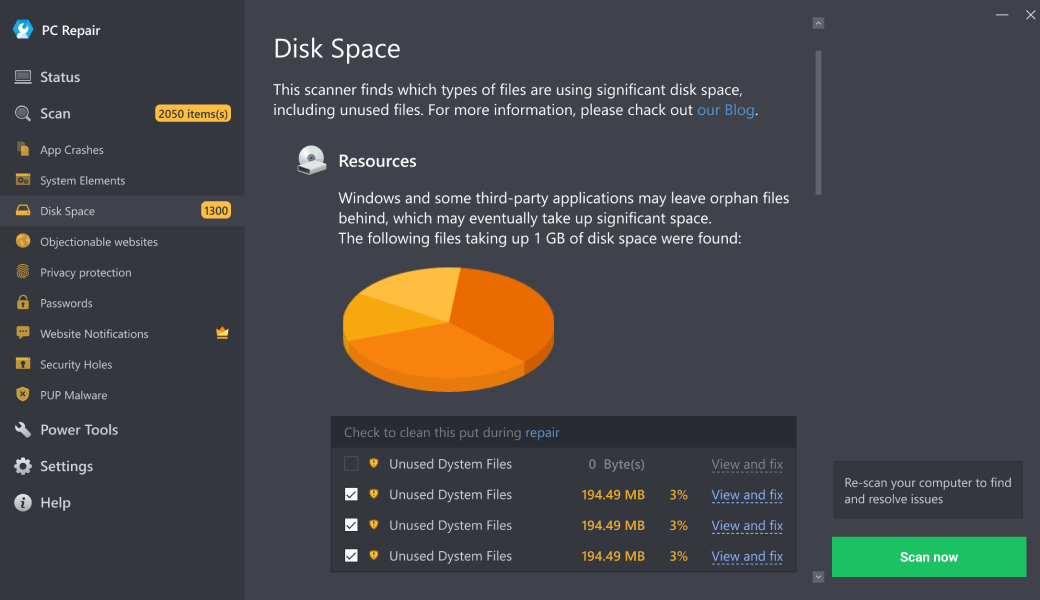
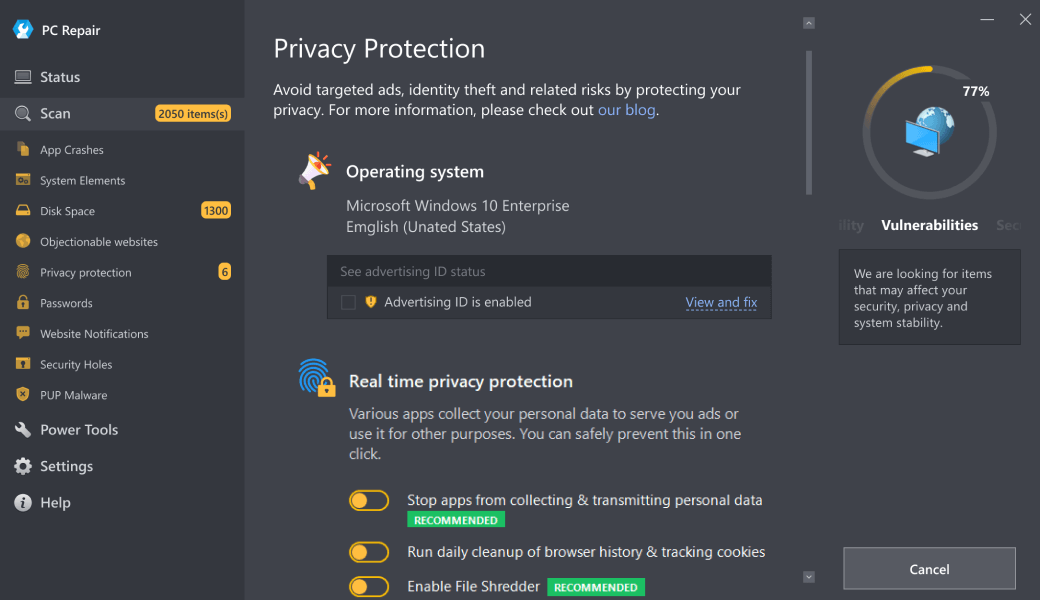
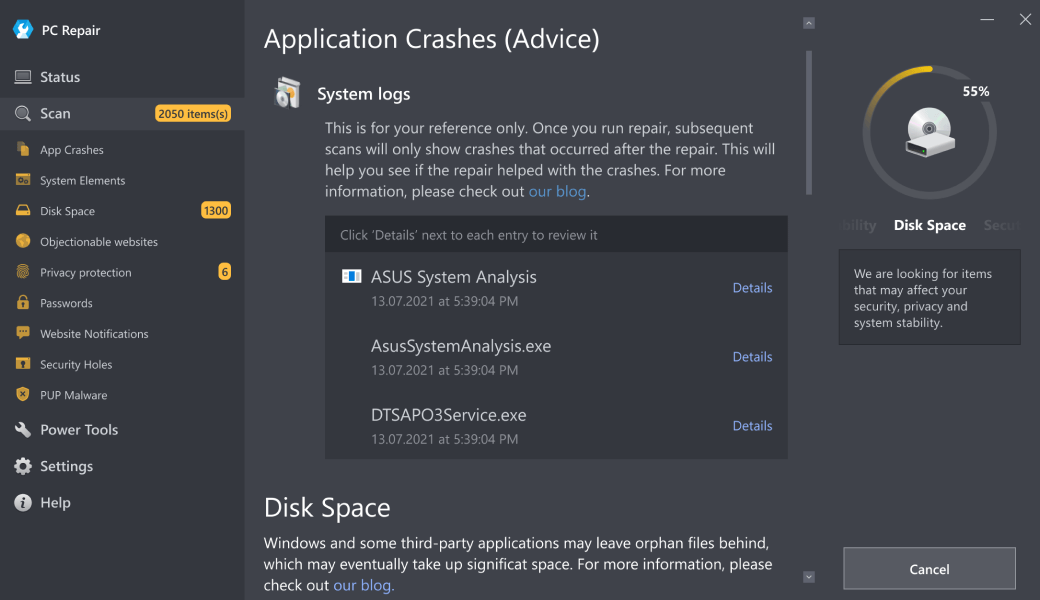
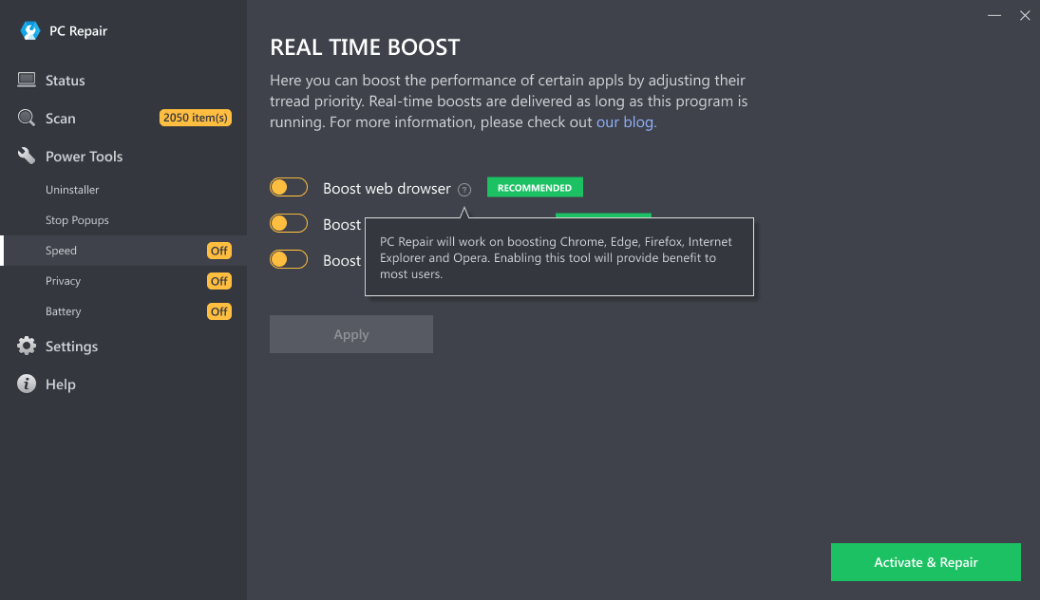
For persistent or complex printer scanning issues—such as recurring driver conflicts, corrupted system files, or registry issues—an automated repair tool can provide a time-efficient resolution. Outbyte PC Repair is a professional utility designed to diagnose and resolve system-level problems comprehensively. It addresses driver corruption, repairs Windows system files, optimizes performance settings, and ensures overall system health without requiring manual intervention for each component. This approach is particularly suitable when standard troubleshooting fails or when maintaining system stability is a priority alongside resolving the immediate scanning issue.
Download Outbyte PC Repair for automated issue diagnosis and repair (compatible with Windows 8/10/11).Special offer. See more information about Outbyte; uninstall instructions; EULA; Privacy Policy.
MAIN CAUSES
1. Driver Compatibility Issues
Outdated, corrupted, or incompatible printer drivers are a primary cause of scanning failures. Drivers act as communication bridges between your printer and computer. When these become outdated due to Windows updates or develop corruption from improper installations, the scanning function loses its pathway to transfer data to your computer.
2. Connection Problems
Both wired (USB) and wireless (network) connections can disrupt scanning operations. USB connections may suffer from faulty cables, loose connections, or port malfunctions. Wireless connections face interference from network congestion, incorrect IP configurations, or router firewall blocks that prevent the scan data transmission.
3. Software Conflicts
Third-party security software or existing printer management applications can interfere with scanning operations. Antivirus programs may mistakenly flag scan processes as suspicious activity, while multiple printer utilities competing for control can create permission conflicts that block successful scan completion.
4. Windows Service Disruptions
Essential Windows services like Windows Image Acquisition (WIA) or Windows Scanner and Camera Wizard must run properly for scanning functionality. These services can become disabled, corrupted by system updates, or blocked by permission changes, preventing the operating system from recognizing and processing scan requests.
5. Incorrect Scanner Settings
Configuration issues within the scanning software itself often cause failures. This includes selecting unsupported file formats, setting resolution beyond hardware capabilities, choosing wrong source types (flatbed vs. document feeder), or specifying destination folders with permission restrictions that prevent file saving.
6. Hardware Malfunctions
Physical components within the printer/scanner assembly can fail. This includes aging scan bulbs that provide insufficient illumination, malfunctioning scan heads that cannot capture images properly, or worn mechanical components in automatic document feeders that fail to advance pages during scanning operations.
7. Permission and Access Rights
User account control settings and folder permissions can block scan operations. If the scanning software lacks administrative privileges or the destination folder has restrictive write permissions, the system cannot save scanned files to your specified location, resulting in failed operations.
CONCLUSION
Maintaining reliable scanning functionality requires consistent system maintenance and proactive troubleshooting approaches. Regular maintenance not only resolves existing issues but prevents many common scanning problems from occurring. Begin by establishing a routine driver maintenance schedule, checking for manufacturer updates quarterly, as driver conflicts represent one of the most frequent scanning failure points. Implement a systematic connection verification process, testing both physical cables and network connectivity monthly to identify degradation before complete failure occurs.
For optimal system performance, conduct weekly security software reviews to ensure your antivirus and firewall settings properly exempt printer and scanning processes from unnecessary blocking. Monthly verification of essential Windows services related to imaging and scanning ensures these critical components remain active and properly configured. Consider utilizing maintenance tools like Outbyte PC Repair to systematically address registry issues, remove obsolete driver remnants, and optimize system settings that impact peripheral device functionality.
Develop the practice of documenting successful scanner configurations, including specific software settings and connection methods that prove reliable for your setup. This documentation becomes invaluable when troubleshooting future issues or reinstalling software after system updates. Regular hardware maintenance, such as cleaning scanner glass surfaces and verifying mechanical components in document feeders, preserves hardware longevity and scan quality.
Recognize when professional assistance becomes necessary—particularly when experiencing consistent hardware issue messages, physical component failures, or complex network configuration issues beyond basic troubleshooting. System reliability directly impacts productivity, making proactive maintenance an essential component of modern computing. By implementing these structured maintenance practices, you ensure that scanning operations remain consistently available when needed, supporting efficient document management and workflow continuity in both personal and professional computing environments.
| Trial limitation: | Category-based repair access for at least 2 days |
| Price (full version): | From $29.95 |

The following steps should resolve the printer-scan-to-computer issue:
- Step 1. Download Outbyte PC Repair application See more information about Outbyte; uninstall instructions; EULA; Privacy Policy.
- Step 2. Install and launch the application
- Step 3. Click the Scan Now button to detect issues and abnormalities
- Step 4. Click the Repair All button to resolve the issues
| Compatibility | Win 11, 10, 8 |
| Download Size | 28 MB |
| Requirements | 300 MHz Processor, 256 MB RAM, 101 MB disk space |
Limitations: The trial version offers unlimited scans, backups, and restores. Full version registration starts at $29.95.

Outbyte PC Repair (version 1.1.12.641) is certified by AppEsteem – a trusted cybersecurity organization – with ongoing monitoring.
Being able to meet all of AppEsteem’s strict requirements means that Outbyte PC Repair can be considered clean, safe, and transparent; and that it is compliant with the ethical and legal norms of distribution.
AppEsteem is one of the world’s most prominent cybersecurity organizations that contributes to the safety of more than 2 billion users. The company was founded by a team of experienced Microsoft cybersecurity specialists. Its mission is to create a safe space for computer and internet users where they are protected against cyber threats and deceptive or unethical practices.