How To Fix nvidia update failed windows 10 in Windows
How To Fix nvidia update failed windows 10 in Windows
When you encounter the "NVIDIA update failed" issue in Windows 10, it means that the NVIDIA graphics driver installation process was interrupted or could not complete successfully. This typically happens when you're trying to update your graphics card drivers through the NVIDIA GeForce Experience application, Windows Update, or when manually installing drivers from NVIDIA's website.
This issue commonly occurs during system updates, when there's insufficient storage space, when previous driver installations left behind corrupted files, or when security software interferes with the installation process. While this guide specifically addresses Windows 10, similar update failures can affect Windows 11 and earlier versions like Windows 8.1 when using compatible NVIDIA hardware. The impact on your computer's functionality can range from minor inconveniences to significant performance issues—you might experience graphical glitches in games and applications, reduced system stability, or inability to access newer features that require updated drivers. In some cases, you might see specific issue codes like "NVIDIA Installer Failed" or numerical codes that indicate the precise point where the installation stopped.
The good news is that this is a common issue with multiple straightforward solutions. With the right troubleshooting steps, you can resolve the update failure and get your NVIDIA drivers properly installed, restoring optimal performance to your graphics card and system.
Contents
[hide]PREPARATION STEPS
Before attempting to resolve the NVIDIA update failure, please complete these essential preparatory measures to ensure system safety and stability.
1. Create a System Restore Point
- Press `Windows + S`, type "Create a restore point," and select the result.
- In the System Properties window, click "Create," name it (e.g., "Pre-NVIDIA Resolve"), and confirm.
- Purpose: Allows you to revert system changes if the update process causes instability.
2. Back Up Critical Data
- Copy important files (documents, photos, projects) to an external drive or cloud storage.
- Use File History or your preferred backup tool for comprehensive coverage.
- Purpose: Protects against accidental data loss during troubleshooting.
3. Temporarily Disable Antivirus and Security Software
- Right-click the antivirus icon in the system tray and select "Disable" or "Turn off" for 10–15 minutes.
- If using Windows Defender, go to Settings > Update & Security > Windows Security > Virus & threat protection > Manage settings, and toggle "Real-time protection" off.
- Purpose: Prevents security software from interfering with driver installation or update processes.
4. Ensure Stable Internet Connection
- Use a wired connection if possible, or verify Wi-Fi stability.
- Restart your router if needed to avoid download interruptions.
- Purpose: Ensures the NVIDIA driver package downloads completely without corruption.
STEP-BY-STEP FIXES
Follow these manual solutions in sequence if the NVIDIA update continues to fail.
Method 1: Clean Installation Using NVIDIA GeForce Experience
1. Open NVIDIA GeForce Experience (if installed) or download it from the NVIDIA website.
2. Navigate to the "Drivers" tab and check for updates.
3. Under "Driver Version," click the three dots (⋮) and select "Clean Installation."
4. Proceed with the installation, then restart your PC when prompted.
Method 2: Manual Driver Download and Installation
1. Visit the [NVIDIA Driver Download page](https://www.nvidia.com/Download/index.aspx) and manually enter your GPU details.
2. Download the latest compatible driver.
3. Run the installer; if issues occur, select "Custom Installation" and check "Perform a clean installation."
4. Restart your system after completion.
Method 3: Use Display Driver Uninstaller (DDU) for Complete Cleanup
Warning: This will remove all existing NVIDIA drivers. Ensure you have the latest driver downloaded beforehand.
1. Download DDU from Guru3D and boot into Safe Mode (hold Shift while clicking Restart > Troubleshoot > Advanced Options > Startup Settings > Restart > Enable Safe Mode).
2. Run DDU, select "Clean and restart" for NVIDIA drivers.
3. After reboot, install the freshly downloaded NVIDIA driver.
4. Restart again to finalize the installation.
ADVANCED SOLUTION OPTION
For users encountering persistent or complex driver-related issues—such as recurring update failures, registry conflicts, or system file corruption—an automated repair tool can provide a time-efficient and comprehensive resolution. Outbyte PC Repair is a professional-grade utility designed to address such scenarios by scanning for obsolete or conflicting drivers, repairing system issues, and optimizing overall performance. It automates driver updates, cleans invalid registry entries, and enhances system health without requiring manual intervention, making it suitable for those seeking a reliable, all-in-one maintenance solution when standard troubleshooting methods prove insufficient.
Download Outbyte PC Repair for automated issue diagnosis and repair (compatible with Windows 8/10/11).Special offer. See more information about Outbyte; uninstall instructions; EULA; Privacy Policy.
MAIN CAUSES
1. Insufficient System Resources
The NVIDIA driver installation process requires substantial temporary storage space and available system memory. If your system drive has less than 1GB of free space or background applications are consuming excessive RAM, the update process may fail during file extraction or installation phases. The installer creates temporary files that can exceed 500MB during the update procedure.
2. Conflicting Display Drivers
Existing graphics drivers from previous NVIDIA versions or integrated graphics drivers (Intel HD Graphics, AMD Radeon) can create conflicts during installation. Windows 10 maintains multiple display driver stacks, and incompatible driver remnants can prevent proper installation of new NVIDIA components, particularly the display driver and PhysX subsystems.
3. Corrupted Driver Cache or Installation Files
The Windows Driver Store (%SystemRoot%\System32\DriverStore) may contain corrupted NVIDIA driver files from previous installations. Additionally, incomplete downloads from NVIDIA's servers or corrupted local cache files can result in failed hash verification during installation, causing the update to abort.
4. Windows Update Service Interference
Windows Update may attempt to install its own version of NVIDIA drivers simultaneously, creating a conflict. The Windows Driver Foundation service (WUDFHost.exe) might lock driver files, preventing the NVIDIA installer from replacing or modifying necessary components. This is particularly common when Microsoft pushes their curated driver versions through Windows Update.
5. Antivirus or Security Software Blocking
Real-time protection features in security suites may incorrectly flag the NVIDIA installer as suspicious behavior. The driver installation process requires elevated system privileges and modifies core system files, which can trigger false positives in heuristic scanning, resulting in blocked file operations or registry modifications.
6. Outdated System Components
Critical Windows components like .NET Framework, Visual C++ Redistributables, or DirectX may be outdated or corrupted. NVIDIA's control panel and driver components rely on these frameworks for proper functionality. Incompatible versions can prevent successful driver initialization and installation.
7. Hardware Compatibility Issues
Your specific GPU model may have reached end-of-support status in newer driver versions, or there may be firmware incompatibilities between your graphics card and the current driver. Additionally, insufficient power supply to the GPU during the installation process can cause intermittent failures.
CONCLUSION
Maintaining reliable graphics driver functionality is essential for optimal system performance, whether for gaming, content creation, or general computing tasks. The failure of NVIDIA driver updates often indicates underlying system maintenance issues that require proactive attention. Regular system upkeep not only prevents update failures but also ensures stable operation and extends hardware lifespan.
Implement a consistent maintenance routine that includes several key practices. First, regularly clean your system drive to maintain at least 15-20% free space, as insufficient storage frequently causes installation failures. Use the Windows Disk Cleanup utility to remove temporary files and system cache. Second, perform clean driver installations using Display Driver Uninstaller (DDU) before major driver updates, which removes conflicting driver remnants that standard uninstallers miss. Third, maintain your Windows system with regular updates and ensure critical components like .NET Framework and Visual C++ Redistributables are current.
Additionally, monitor background processes during installations to prevent resource conflicts. Temporarily disable antivirus real-time protection during driver updates if false positives are suspected, though always re-enable it immediately afterward. Consider using maintenance tools like Outbyte PC Repair to systematically address registry issues, broken installations, and system conflicts that may interfere with driver updates. These utilities can identify and resolve underlying system issues that manual troubleshooting might miss.
For persistent update failures, download drivers directly from NVIDIA's website rather than relying on automatic update tools, as this ensures you have complete, verified installation packages. If problems continue despite these measures, seek technical assistance, as they may indicate deeper hardware issues or system file corruption. Remember that reliable computing depends on both proper maintenance and timely professional intervention when needed. Establishing these proactive habits will significantly reduce system issues and ensure your NVIDIA hardware performs at its best capacity for all your computing requirements.
| Trial limitation: | Category-based repair access for at least 2 days |
| Price (full version): | From $29.95 |

The following steps should resolve the nvidia-update-failed-windows-10 issue:
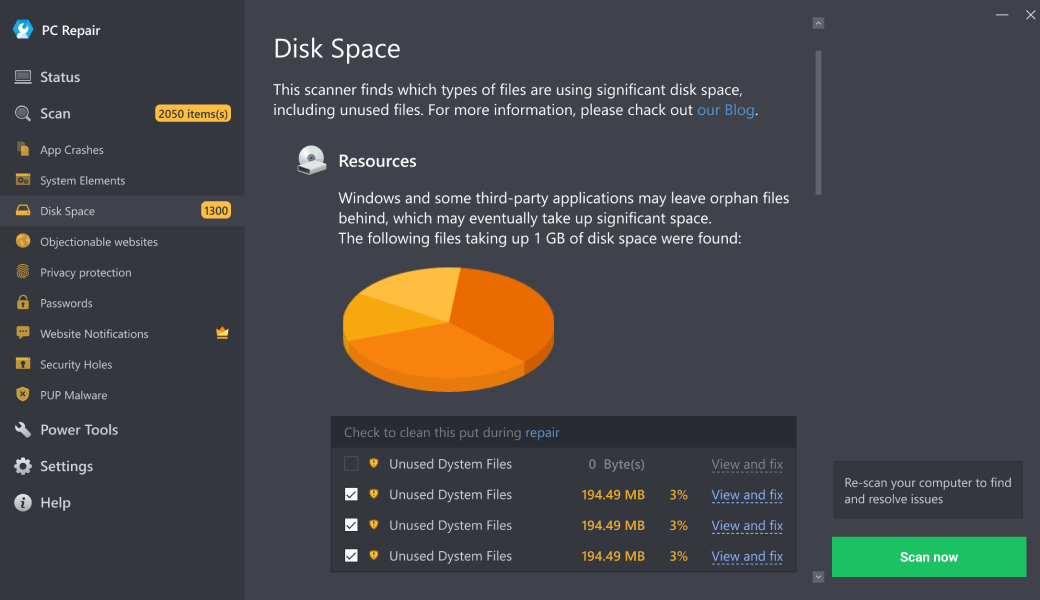
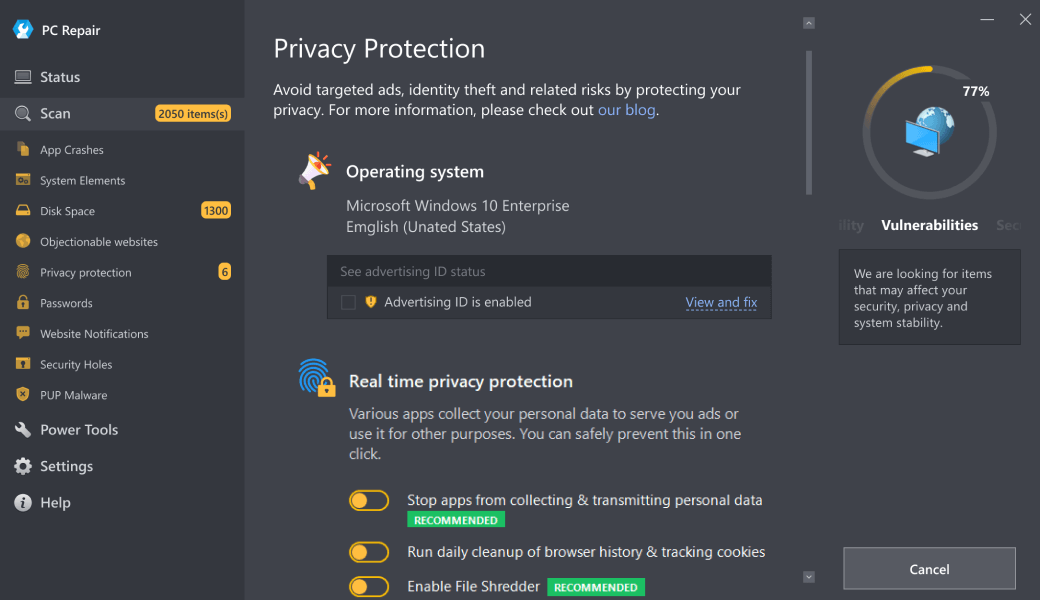
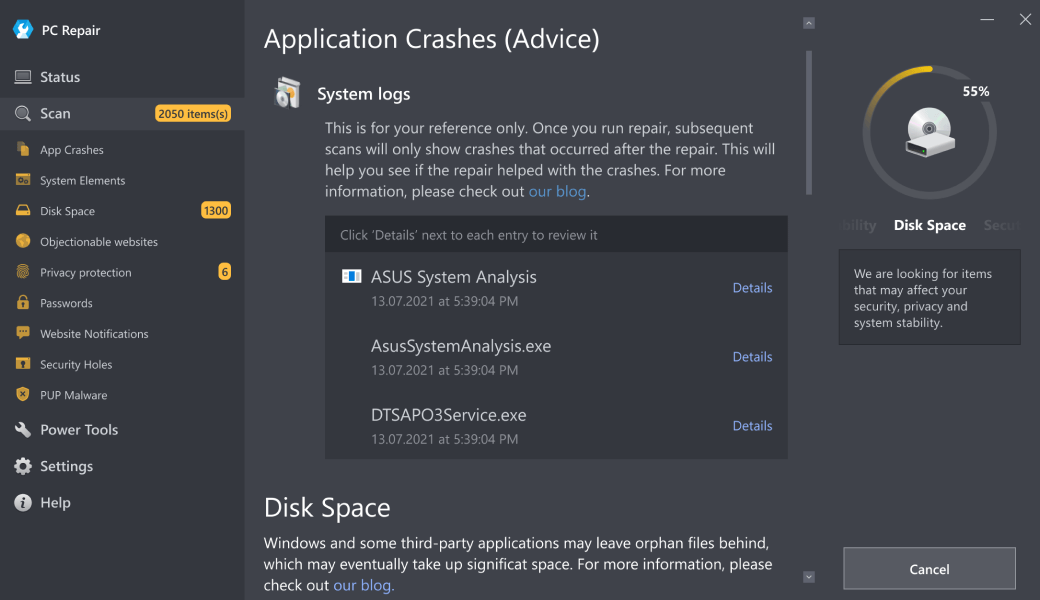
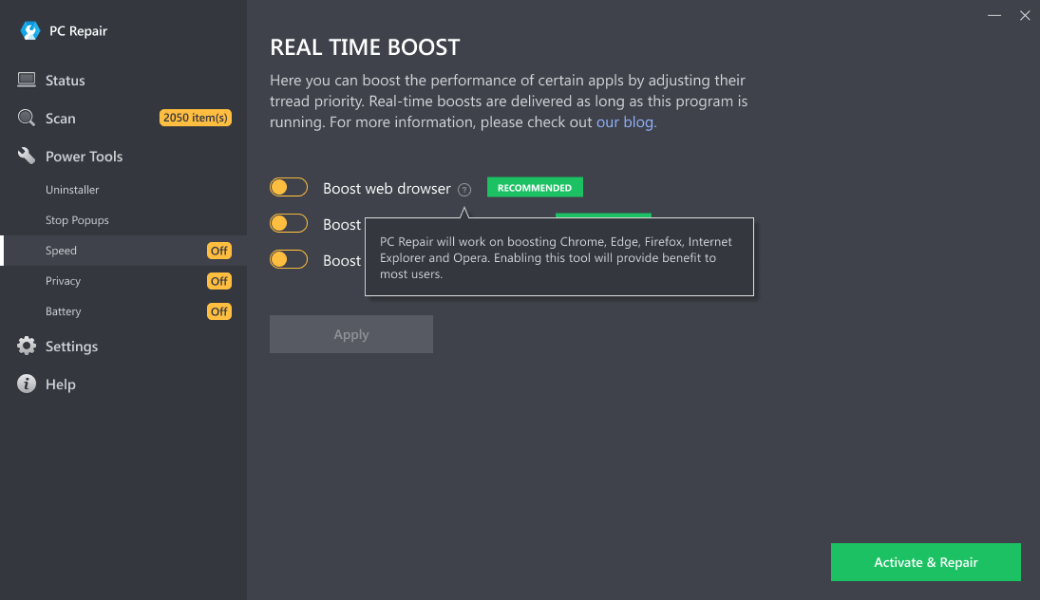
- Step 1. Download Outbyte PC Repair application See more information about Outbyte; uninstall instructions; EULA; Privacy Policy.
- Step 2. Install and launch the application
- Step 3. Click the Scan Now button to detect issues and abnormalities
- Step 4. Click the Repair All button to resolve the issues
| Compatibility | Win 11, 10, 8 |
| Download Size | 28 MB |
| Requirements | 300 MHz Processor, 256 MB RAM, 101 MB disk space |
Limitations: The trial version offers unlimited scans, backups, and restores. Full version registration starts at $29.95.

Outbyte PC Repair (version 1.1.12.641) is certified by AppEsteem – a trusted cybersecurity organization – with ongoing monitoring.
Being able to meet all of AppEsteem’s strict requirements means that Outbyte PC Repair can be considered clean, safe, and transparent; and that it is compliant with the ethical and legal norms of distribution.
AppEsteem is one of the world’s most prominent cybersecurity organizations that contributes to the safety of more than 2 billion users. The company was founded by a team of experienced Microsoft cybersecurity specialists. Its mission is to create a safe space for computer and internet users where they are protected against cyber threats and deceptive or unethical practices.