How To Fix Invalid URL in Windows
How To Fix Invalid URL in Windows
If you've encountered an "Invalid URL" issue in Windows, you're not alone—this is a common issue that can occur when your computer is unable to recognize or process a web address correctly. This issue typically appears when you try to open a link, access a network resource, or use an application that relies on internet connectivity. Essentially, Windows or the program you’re using is telling you that the web address you entered or clicked is not formatted properly, doesn’t exist, or can’t be reached due to a configuration problem.
This issue can happen across various versions of Windows, including Windows 10 and Windows 11, and may affect web browsers, file explorers, or other software that uses URLs. You might see it when clicking a hyperlink in an email, opening a shortcut, or trying to connect to a shared folder on a network. In some cases, it may be accompanied by specific issue codes like "ERR_INVALID_URL" in browsers or system alerts with numeric identifiers.
While an invalid URL issue can be frustrating and may temporarily disrupt your ability to access websites or network resources, it is almost always fixable. The issue is generally related to simple causes such as typos in the address, outdated software, incorrect settings, or problems with your internet connection. In this guide, we’ll walk you through clear, step-by-step solutions to help you resolve the issue and get back to using your computer without interruption.
Contents
[hide]PREPARATION STEPS (Professional guidance)
Before addressing the "invalid URL" issue, ensure system stability and data safety with these preparatory measures:
1. Create a System Restore Point:
- Open the Start menu, type "Create a restore point," and select the corresponding Control Panel option.
- Click "Create," name it (e.g., "Pre-URL Resolve"), and follow prompts.
- *Purpose*: Allows reverting system changes if modifications cause instability.
2. Back Up Critical Data:
- Copy important files (documents, media, browser profiles) to an external drive or cloud service.
- *Purpose*: Prevents data loss if unexpected issues arise during troubleshooting.
3. Temporarily Disable Antivirus/Firewall:
- Open your antivirus software’s interface, locate real-time protection or firewall settings, and disable temporarily (usually under "Protection" or "Shield" tabs).
- *Purpose*: Eliminates interference from security software that might block legitimate URL-related processes or registry edits.
4. Note Current Browser and System Settings:
- Document default browser, network configurations, and recent software changes.
- *Purpose*: Provides reference points if settings need restoration post-resolve.
STEP-BY-STEP FIXES (Technical precision)
Here are three manual solutions to resolve "invalid URL" issues, commonly caused by misconfigured settings, corrupted registries, or browser issues.
Method 1: Reset Browser Settings to Default
1. Open your browser (e.g., Chrome, Edge, Firefox).
2. Access Settings → Advanced or Reset options.
3. Select "Restore settings to their original defaults" or equivalent.
4. Confirm the reset and restart the browser.
5. Test URL access in a new tab.
*Note: This clears extensions/cache but preserves bookmarks and history.*
Method 2: Repair Windows URL Association via Registry
⚠️ *Warning: Incorrect registry edits can cause system issues. Proceed with caution and back up the registry first (File → Export in regedit).*
1. Press `Win + R`, type `regedit`, and press Enter.
2. Navigate to:
```HKEY_CURRENT_USER\Software\Microsoft\Windows\Shell\Associations\UrlAssociations\http```
3. Ensure the following values are set:
- `UserChoice` → Delete this key if present (forces system default).
4. Restart your computer and test URL handling.
Method 3: Use Windows Network Troubleshooter
1. Open Settings → Network & Internet → Status.
2. Click "Network Troubleshooter" and run it.
3. Apply recommended resolves for detected issues.
4. If problems persist, reset network stack:
- Open Command Prompt as Administrator.
- Run:
```netsh winsock reset```
```netsh int ip reset```
5. Restart the computer and check URL functionality.
ADVANCED SOLUTION OPTION (Professional recommendation)
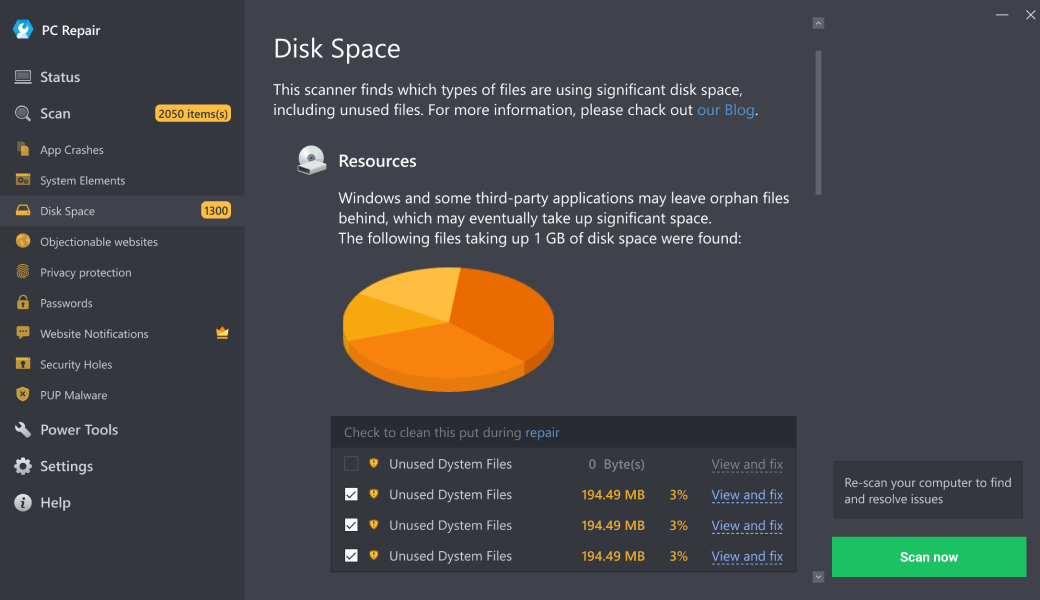
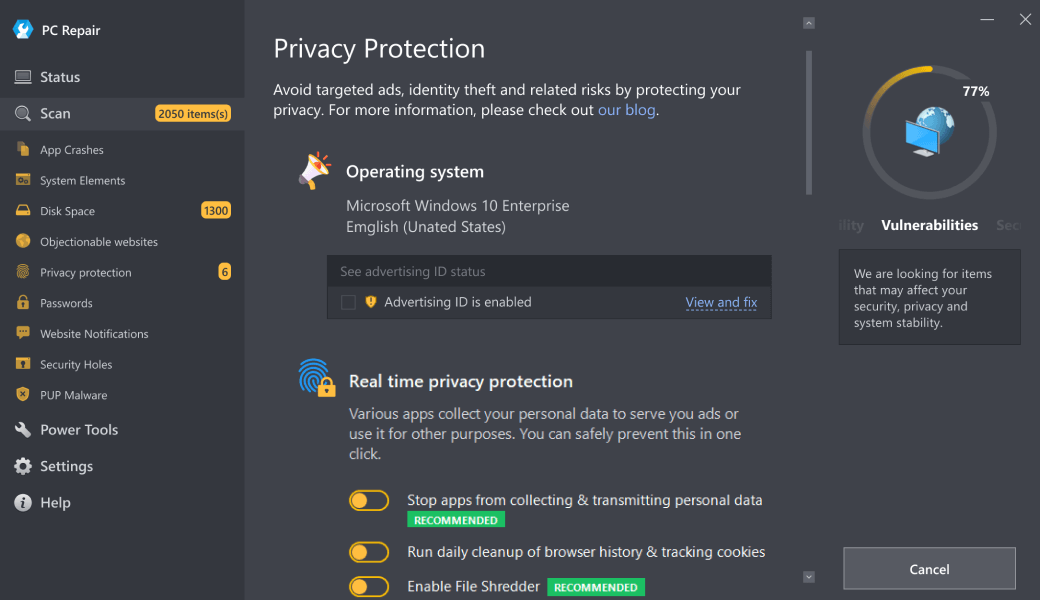
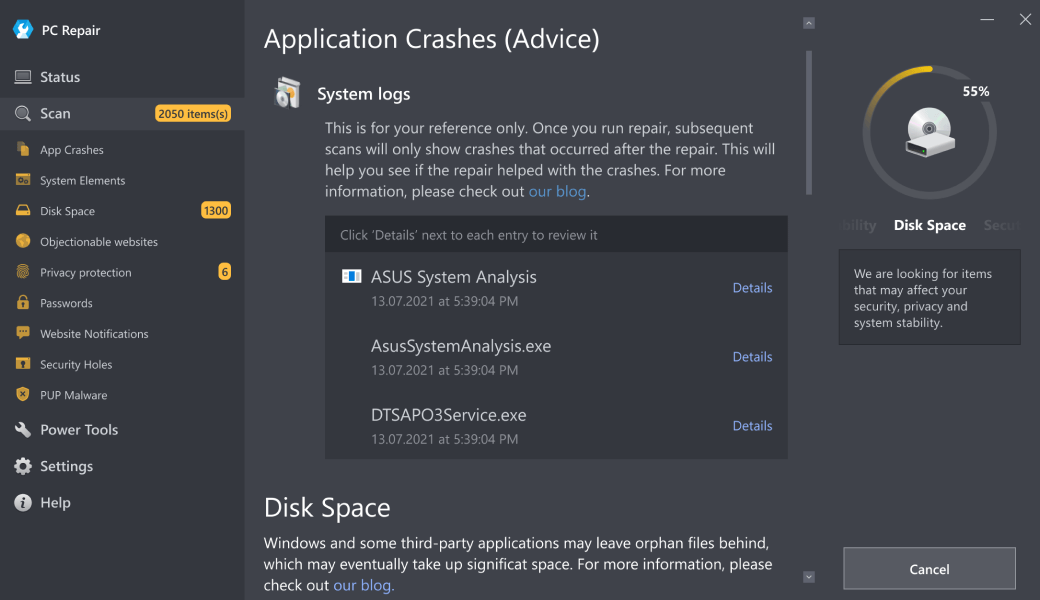
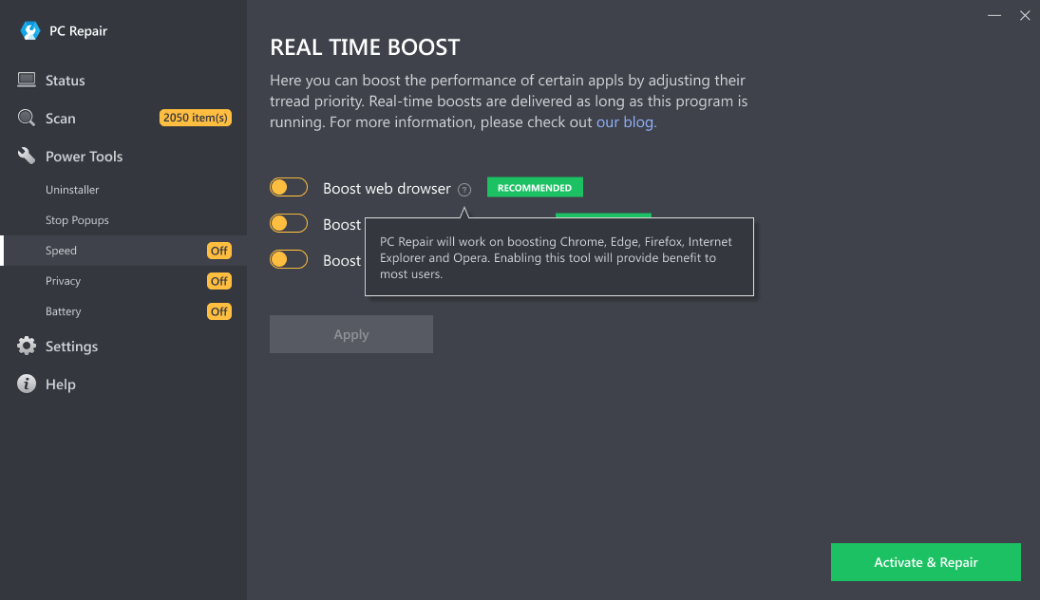
For persistent or complex instances of the "invalid URL" issue—particularly when manual methods fail to resolve underlying system corruption, registry conflicts, or deep-seated configuration issues—an automated repair tool can provide a time-efficient and comprehensive solution. Outbyte PC Repair is a professional-grade utility designed to address such scenarios systematically, offering issue resolution for URL handling and association problems, performance optimization through junk file cleanup and registry repair, and ongoing system health monitoring. It is suited for users requiring a reliable, all-in-one maintenance approach without manual intervention, ensuring stability while minimizing the risk of unintended configuration changes. Always verify such tools are obtained from official sources to maintain system security and integrity.
Download Outbyte PC Repair for automated issue diagnosis and repair (compatible with Windows 8/10/11).Special offer. See more information about Outbyte; uninstall instructions; EULA; Privacy Policy.
MAIN CAUSES
1. Incorrect URL Syntax: The most common cause is improper URL formatting. URLs must follow RFC 3986 standards, including correct use of schemes (http://, https://), domain names, and valid characters. Special characters or spaces not properly encoded with percent-encoding (%20 for space) will render a URL invalid.
2. Typographical Issues: Simple human issues like misspelled domain names (e.g., "gogle.com" instead of "google.com"), incorrect top-level domains (.con instead of .com), or misplaced slashes and punctuation can invalidate a URL. Browsers and applications cannot resolve domains that don't exist or contain mistakes.
3. Protocol Scheme Issues: Omitting or using an incorrect protocol prefix (http://, https://, ftp://) may cause invalidation. Some applications require explicit schemes, while others assume defaults. Using unsupported or deprecated schemes (like ftp:// in contexts where only HTTP/HTTPS are allowed) will also trigger issues.
4. DNS Resolution Failures: Even a correctly formatted URL may be deemed invalid if the Domain Name System (DNS) cannot resolve the domain to an IP address. This could stem from temporary DNS server outages, incorrect DNS settings on your device, or the domain itself being expired or unregistered.
5. Application or Browser-Specific Restrictions: Certain applications, browsers, or security software may block URLs based on security policies. For example, URLs containing malicious patterns, non-standard ports, or domains blacklisted by antivirus or parental controls might be rejected as invalid for safety reasons.
6. Encoding Problems: URLs must use UTF-8 encoding for internationalized domain names (IDNs) or special characters. If characters outside the ASCII set (e.g., accented letters or symbols) are not properly encoded using Punycode or percent-encoding, the URL will be invalid.
7. Software Bugs or Glitches: Occasionally, the application or browser parsing the URL may have a bug that incorrectly flags valid URLs as invalid. This can happen due to corrupted software files, outdated versions, or conflicts with extensions/add-ons that interfere with URL handling.
CONCLUSION
Maintaining a reliable and issue-free computing experience requires consistent attention to system health and software integrity. Invalid URL issues, while often simple to resolve, can disrupt workflow and indicate underlying issues with your system's configuration or maintenance. To minimize such issues and ensure optimal performance, adopt a proactive approach to PC care. Regularly update your operating system and applications to patch vulnerabilities and improve compatibility. Use reputable antivirus and anti-malware tools to prevent security software from overly restrictive blocking. Verify your DNS settings and consider switching to reliable public DNS servers like Google DNS (8.8.8.8) or Cloudflare (1.1.1.1) for better resolution. Clear your browser cache and cookies periodically to avoid corrupted data affecting URL processing. For comprehensive system maintenance, tools like Outbyte PC Repair can help automate cleanup of junk files, resolve registry issues, and optimize settings that might contribute to such issues.
Additionally, practice good browsing habits: double-check URLs for typos, ensure bookmarks are up-to-date, and avoid clicking on suspicious links. If invalid URL issues persist despite these measures, it may indicate deeper system problems, such as network configuration issues or software conflicts, warranting professional technical assistance. Remember, a well-maintained system not only reduces issues but also enhances productivity and security for your daily computing needs. Prioritize regular maintenance to keep your device running smoothly and efficiently.
| Trial limitation: | Category-based repair access for at least 2 days |
| Price (full version): | From $29.95 |

The following steps should resolve the how-to-fix-invalid-url issue:
- Step 1. Download Outbyte PC Repair application See more information about Outbyte; uninstall instructions; EULA; Privacy Policy.
- Step 2. Install and launch the application
- Step 3. Click the Scan Now button to detect issues and abnormalities
- Step 4. Click the Repair All button to resolve the issues
| Compatibility | Win 11, 10, 8 |
| Download Size | 28 MB |
| Requirements | 300 MHz Processor, 256 MB RAM, 101 MB disk space |
Limitations: The trial version offers unlimited scans, backups, and restores. Full version registration starts at $29.95.

Outbyte PC Repair (version 1.1.12.641) is certified by AppEsteem – a trusted cybersecurity organization – with ongoing monitoring.
Being able to meet all of AppEsteem’s strict requirements means that Outbyte PC Repair can be considered clean, safe, and transparent; and that it is compliant with the ethical and legal norms of distribution.
AppEsteem is one of the world’s most prominent cybersecurity organizations that contributes to the safety of more than 2 billion users. The company was founded by a team of experienced Microsoft cybersecurity specialists. Its mission is to create a safe space for computer and internet users where they are protected against cyber threats and deceptive or unethical practices.