How To Fix Hard Drive Access Denied in Windows
How To Fix Hard Drive Access Denied in Windows
Encountering an "Access Denied" issue when trying to open a folder or file on your hard drive can be a confusing and frustrating experience. This message is Windows' way of telling you that your user account does not have the necessary permissions to view or modify the selected item. Essentially, the operating system is blocking you for security reasons, even though you are logged into the computer.
This issue frequently occurs in several common situations. You might see it after upgrading your Windows version, when trying to access system folders (like "Program Files" or "Windows"), when connecting an external hard drive from another computer, or when dealing with files that were created by another user account on the same PC. This is a universal security feature affecting all modern versions of Windows, including Windows 10 and Windows 11. While it protects your system's integrity, it can prevent you from performing necessary tasks like deleting old files, installing software, or backing up data, which hinders your productivity.
The good news is that this is almost always a permissions issue, not a sign of a failing hard drive. You can resolve it by taking ownership of the files or folders and granting your user account the correct permissions. This guide will walk you through safe, step-by-step methods to regain access and get back to work.
Contents
[hide]PREPARATION STEPS
Before attempting to resolve hard drive access denied issues, complete these preparatory measures to ensure system safety and data integrity:
1. Create a System Restore Point
Open System Protection settings, select your system drive, and create a manual restore point. This allows you to revert system changes if modifications worsen the issue.
2. Back Up Critical Data
Use an external drive or cloud service to back up important files from the affected drive. Access denials may indicate potential drive failure, making data preservation essential.
3. Temporarily Disable Antivirus/Firewall
Security software can sometimes block legitimate drive access. Temporarily disable real-time protection to rule out interference, but re-enable it immediately after testing.
4. Verify Physical Connections
For external drives, check cables, USB ports, and power connections. Try connecting the drive to another computer to determine if the issue is hardware-related.
STEP-BY-STEP FIXES
Solution 1: Take Ownership via Command Line
1. Open Command Prompt as Administrator.
2. Identify the drive letter (e.g., `D:`) causing the issue.
3. Run these commands exactly:
```cmd
takeown /f D:\ /r /d y
icacls D:\ /grant administrators:F /t
```
4. Replace `D:` with your affected drive letter.
5. Restart the computer and test access.
Warning: Incorrect drive letters may affect system stability.
Solution 2: Modify Security Permissions
1. Right-click the drive > Properties > Security tab.
2. Click Advanced > Change next to Owner.
3. Enter `Administrators` > Check Names > OK.
4. Check Replace owner on subcontainers and objects.
5. Click Apply > OK and confirm any prompts.
6. Restart Windows Explorer via Task Manager.
Solution 3: Check Disk for Issues
1. Open Command Prompt as Administrator.
2. Run this command (replace `D:` with your drive):
```cmd
chkdsk D: /f /r
```
3. Type `Y` to schedule on reboot if prompted.
4. Restart the system—this may take hours for large drives.
5. Test drive access after completion.
Warning: Backup data before CHKDSK, as it may cause data loss if the drive is failing.
ADVANCED SOLUTION OPTION
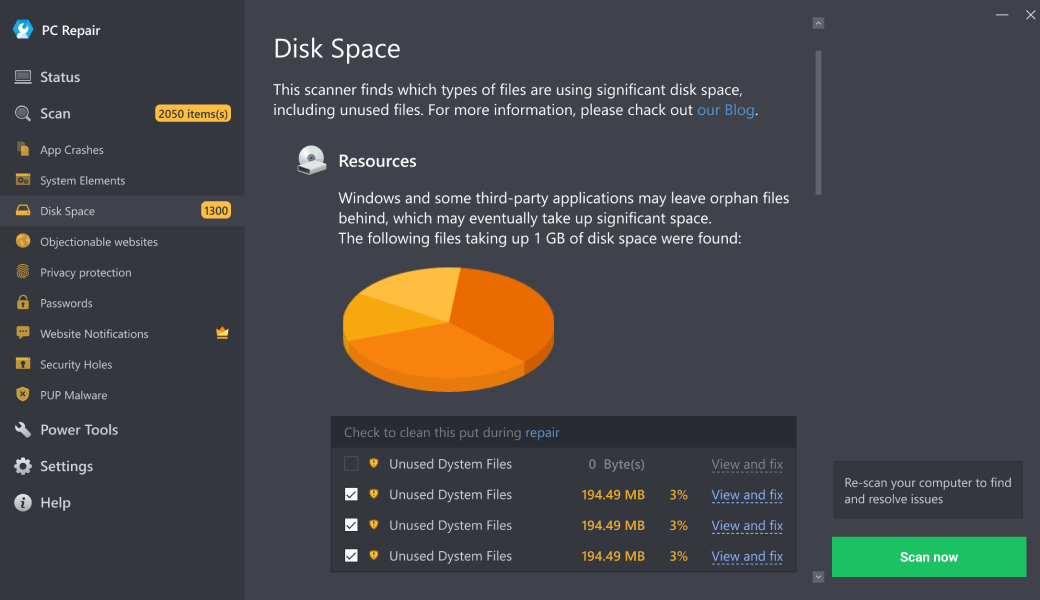
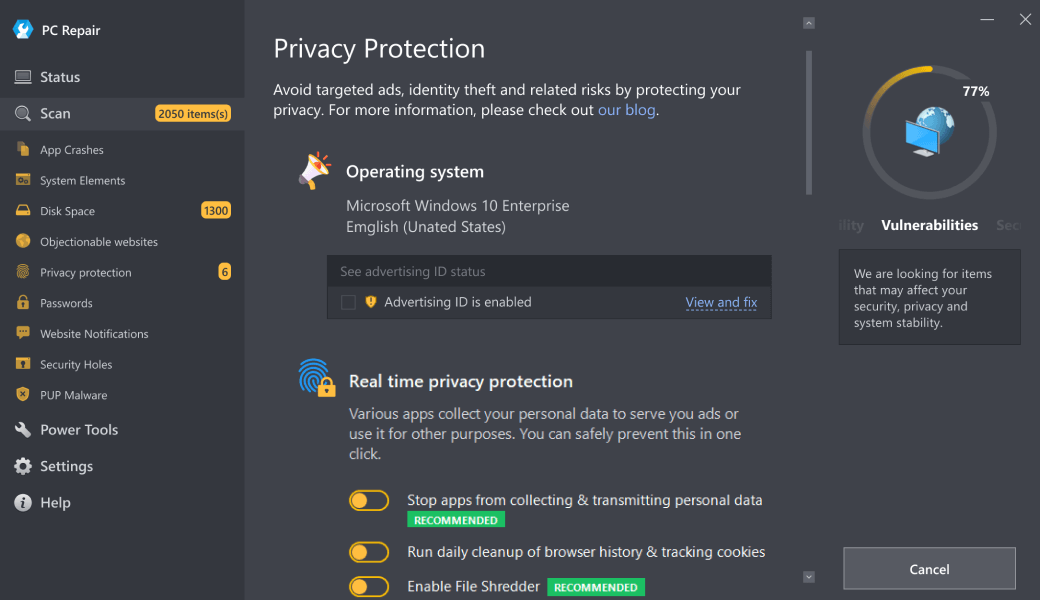
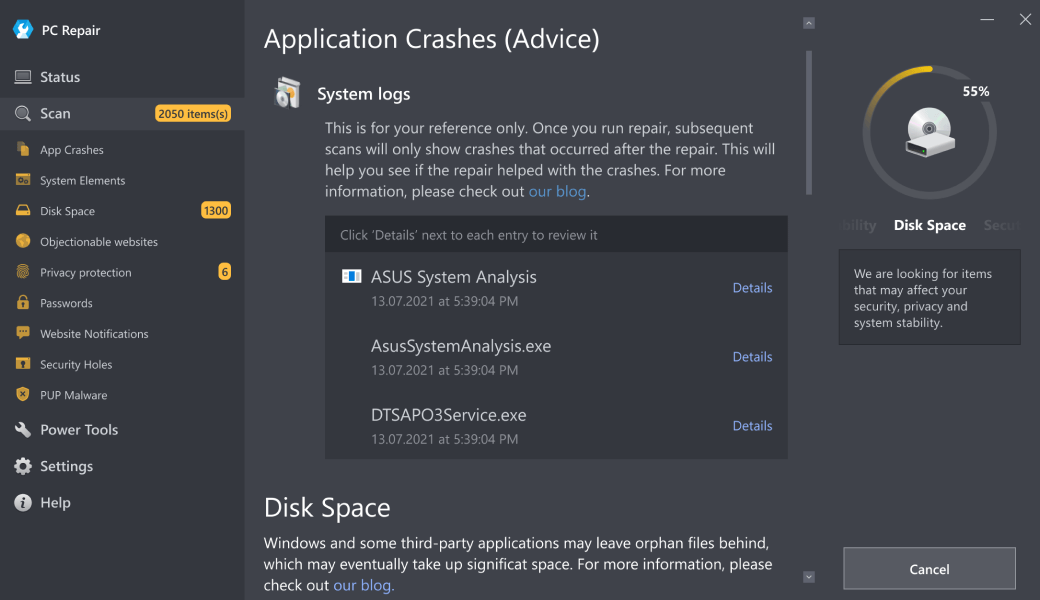
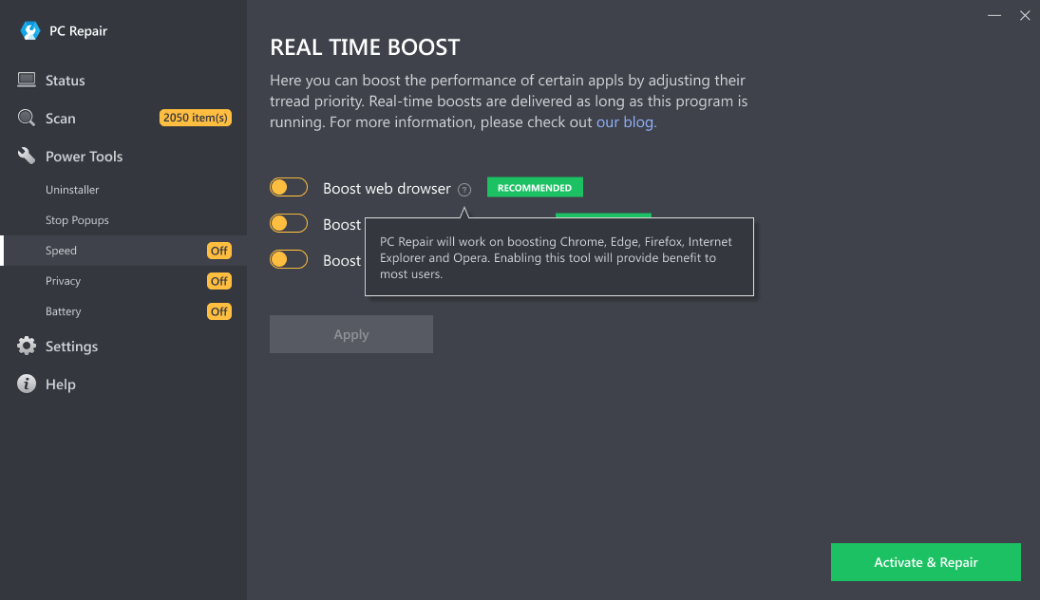
For persistent or complex access denied issues involving registry corruption, permission conflicts, or underlying system issues, automated repair tools provide a structured alternative to manual troubleshooting. Outbyte PC Repair offers a professional-grade solution that systematically scans for permission issues, file system inconsistencies, and registry problems that can cause hard drive access denials. Its automated repair functions address multiple system layers simultaneously, while optimization features help maintain stable drive performance. This approach is particularly valuable when manual methods fail or when time constraints require efficient resolution without extensive technical investigation.
Download Outbyte PC Repair for automated issue diagnosis and repair (compatible with Windows 8/10/11).Special offer. See more information about Outbyte; uninstall instructions; EULA; Privacy Policy.
MAIN CAUSES
1. Insufficient User Permissions
The most common cause occurs when the current user account lacks appropriate permissions to access the drive or specific files. Windows implements strict access control lists (ACLs) that determine which users or system processes can read, modify, or execute files. Standard user accounts often encounter this when attempting to access system-protected areas or files owned by other users.
2. File System Corruption
NTFS or FAT32 file system issues can trigger access denial issues. Corruption may occur from improper shutdowns, power failures, or bad sectors on the physical drive. When the file system's metadata becomes damaged, Windows may be unable to properly verify access rights or locate file allocation tables, resulting in generalized access issues.
3. Malware Infection
Malicious software frequently alters file permissions or locks files to prevent removal. Ransomware specifically encrypts files and restricts access, while other malware may modify system settings to block legitimate access attempts. Security software might also quarantine infected files, making them inaccessible to users.
4. Drive Encryption or BitLocker Issues
When drives are encrypted using BitLocker or third-party encryption tools, access denial occurs if the encryption key isn't available or the Trusted Platform Module (TPM) fails to authenticate. This can happen after hardware changes, BIOS updates, or when booting from different operating systems.
5. Physical Drive Failure
Developing bad sectors, failing read/write heads, or degraded drive electronics can manifest as access issues. The drive's firmware may block access to prevent further data loss when it detects unrecoverable read issues or imminent hardware failure.
6. Conflicting Software or Processes
Background applications, particularly security software or backup utilities, may lock files exclusively for their operations. Antivirus scans, cloud synchronization, or system maintenance tasks can temporarily restrict user access to certain files or directories.
7. Incorrect Drive Letter Assignment
When multiple drives or partitions have conflicting drive letters, or when removable media isn't properly recognized, Windows may display access denied issues. This often occurs after connecting external drives or when system restore points alter drive configurations.
CONCLUSION
Maintaining consistent hard drive accessibility requires proactive system management and regular maintenance practices. The "access denied" issue serves as an important indicator of underlying system issues that warrant attention before they escalate into more serious problems. Implementing a structured maintenance routine significantly reduces the likelihood of encountering such permission and access issues.
For optimal system health, establish a weekly maintenance schedule that includes running disk cleanup utilities to remove temporary files, performing issue checking using CHKDSK, and updating your antivirus definitions. Monthly maintenance should encompass full system scans for malware, verification of backup integrity, and review of system update status. Tools like Outbyte PC Repair can automate many of these maintenance tasks, providing systematic registry cleaning, junk file removal, and performance optimization that help prevent permission conflicts and file system issues.
Critical maintenance practices include regularly backing up important data to external media or cloud storage, monitoring system event logs for early warning signs, and keeping all device drivers current. When "access denied" issues persist despite basic troubleshooting, particularly if they affect multiple files or system areas, seek professional technical assistance promptly. These issues can sometimes indicate developing hardware issues or sophisticated malware infections that require expert intervention.
System reliability directly impacts productivity and data security. Consistent maintenance not only prevents access issues but also ensures your computer remains responsive and stable for daily computing needs. Remember that prevention through regular care is consistently more effective than reactive troubleshooting after problems occur. By adopting these practices, you'll maintain smoother system operation and minimize disruptive access issues that interfere with your work or personal computing activities.
| Trial limitation: | Category-based repair access for at least 2 days |
| Price (full version): | From $29.95 |

The following steps should resolve the fix-hard-drive-access-denied issue:
- Step 1. Download Outbyte PC Repair application See more information about Outbyte; uninstall instructions; EULA; Privacy Policy.
- Step 2. Install and launch the application
- Step 3. Click the Scan Now button to detect issues and abnormalities
- Step 4. Click the Repair All button to resolve the issues
| Compatibility | Win 11, 10, 8 |
| Download Size | 28 MB |
| Requirements | 300 MHz Processor, 256 MB RAM, 101 MB disk space |
Limitations: The trial version offers unlimited scans, backups, and restores. Full version registration starts at $29.95.

Outbyte PC Repair (version 1.1.12.641) is certified by AppEsteem – a trusted cybersecurity organization – with ongoing monitoring.
Being able to meet all of AppEsteem’s strict requirements means that Outbyte PC Repair can be considered clean, safe, and transparent; and that it is compliant with the ethical and legal norms of distribution.
AppEsteem is one of the world’s most prominent cybersecurity organizations that contributes to the safety of more than 2 billion users. The company was founded by a team of experienced Microsoft cybersecurity specialists. Its mission is to create a safe space for computer and internet users where they are protected against cyber threats and deceptive or unethical practices.