How To Fix File Explorer Not Responding in Windows
How To Fix File Explorer Not Responding in Windows
When File Explorer stops responding in Windows, it means the primary tool you use to navigate your files and folders has become temporarily frozen or unresponsive. This essential Windows component, which provides access to your documents, photos, downloads, and other files, may display a "Not Responding" message in the title bar or simply freeze without any warning. This issue typically occurs when opening File Explorer, browsing between folders, or performing file operations like copying or deleting.
The File Explorer not responding issue can happen across all modern Windows versions, including Windows 10 and Windows 11, though the specific triggers may vary. Common scenarios include system resource constraints, conflicting third-party applications, corrupted system files, or problematic Windows updates. While this issue doesn't typically cause data loss, it significantly impacts your ability to access and manage files, potentially disrupting your workflow and productivity.
Fortunately, this is a common Windows issue with multiple straightforward solutions available. Whether the problem stems from temporary system glitches or more persistent underlying causes, there are several troubleshooting methods that can restore File Explorer's functionality without requiring advanced technical knowledge. The following guide will walk you through practical steps to resolve this issue efficiently and get you back to managing your files smoothly.
PREPARATION STEPS
Before attempting to resolve File Explorer responsiveness issues, please complete these preparatory measures to ensure system safety and data integrity.
1. Create a System Restore Point
- Press Windows + S, type "Create a restore point," and select the result.
- In the System Properties window, click Create, name it (e.g., "Pre-File-Explorer-Resolve"), and confirm.
- *Purpose:* Allows you to revert system changes safely if modifications cause unintended effects.
2. Back Up Critical Data
- Copy essential files and folders to an external drive or cloud storage.
- Use File History (via Settings > Update & Security > Backup) or manually drag files to your backup location.
- *Purpose:* Protects against accidental data loss during troubleshooting.
3. Temporarily Disable Antivirus/Firewall
- Open your antivirus software (e.g., Windows Security, third-party tools).
- Locate real-time protection or tamper protection and toggle it off temporarily (usually for 15–30 minutes).
- *Purpose:* Eliminates potential interference from security software during diagnostic steps.
4. Ensure Windows is Updated
- Go to Settings > Update & Security > Windows Update and check for updates.
- Install any available updates and restart if prompted.
- *Purpose:* Resolves known bugs or compatibility issues addressed in recent patches.
STEP-BY-STEP FIXES
Try these manual solutions in sequence if File Explorer remains unresponsive.
Method 1: Restart Windows Explorer Process
1. Press Ctrl + Shift + Esc to open Task Manager.
2. Locate "Windows Explorer" under the Processes tab.
3. Right-click it and select Restart.
4. If unresponsive, select End task, then go to File > Run new task.
5. Type:
```explorer.exe```6. Press Enter to relaunch File Explorer.
Method 2: Run System File Checker and DISM
1. Open Command Prompt as Administrator (search "cmd," right-click, and select "Run as administrator").
2. To repair system image, run:
```DISM /Online /Cleanup-Image /RestoreHealth```3. Once complete, run System File Checker:
```sfc /scannow```4. Allow the scan to finish and restart your PC.
5. *Warning:* Do not interrupt these processes; they may take 15–30 minutes.
Method 3: Reset File Explorer via Registry
1. Press Windows + R, type `regedit`, and press Enter.
2. Navigate to:
   ```
   HKEY_LOCAL_MACHINE\SOFTWARE\Microsoft\Windows\CurrentVersion\Shell Extensions
   ```
3. Right-click the "Shell Extensions" key and export it as a backup.
4. Navigate to:
   ```
   HKEY_CURRENT_USER\Software\Microsoft\Windows\CurrentVersion\Explorer\FileExts
   ```
5. Export this key as a backup, then delete the "FileExts" key (this will reset file associations).
6. Restart your computer and test File Explorer.
- *Warning:* Incorrect registry edits can cause system instability; back up keys before modifying.
ADVANCED SOLUTION OPTION
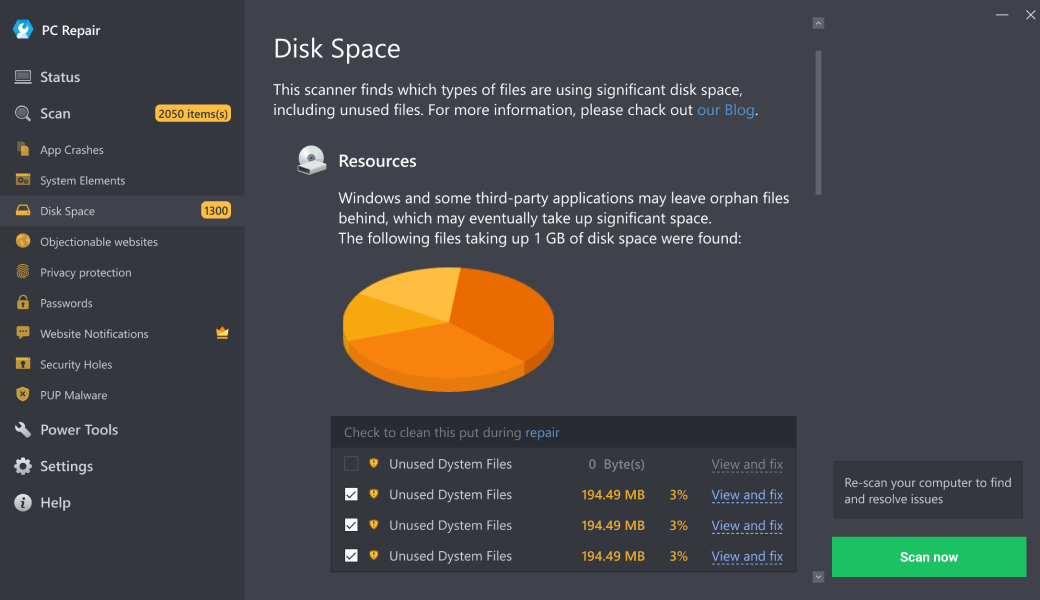
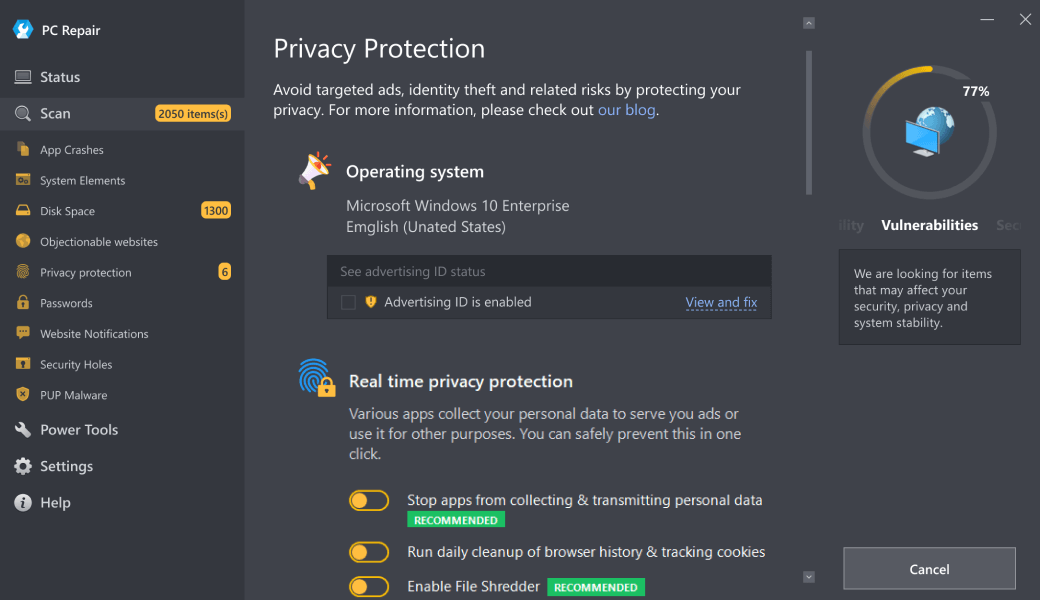
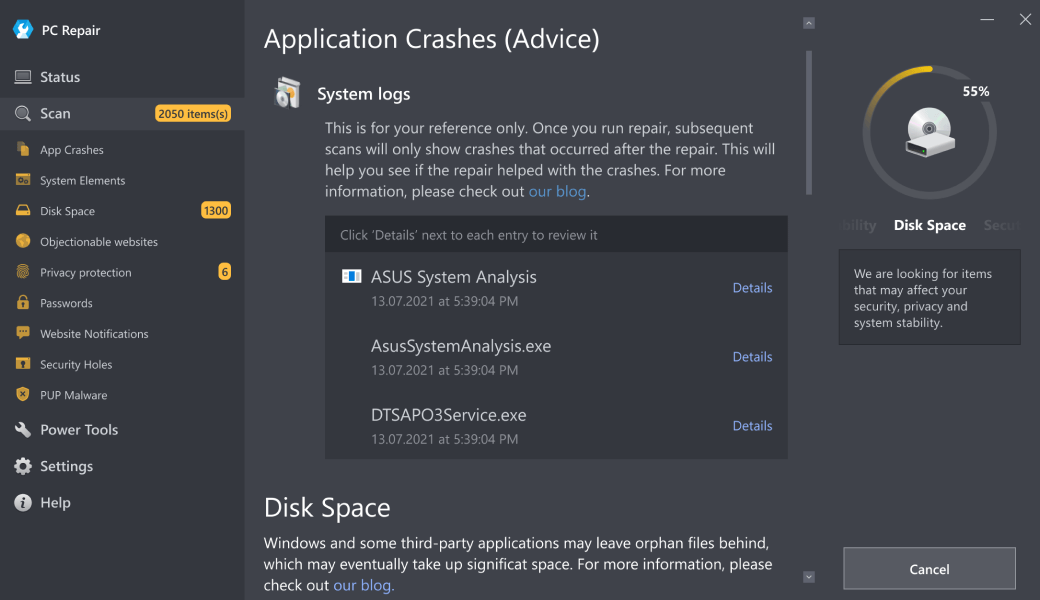
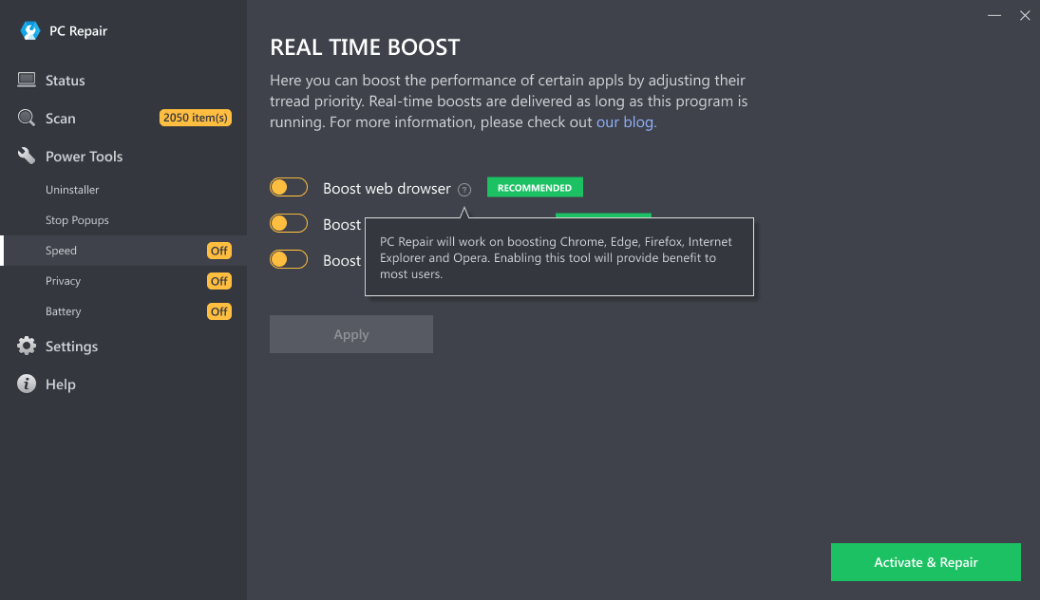
For users experiencing persistent or complex File Explorer issues—such as recurring freezes, unexplained crashes, or problems stemming from deep system corruption—manual methods may prove insufficient or time-consuming. In such cases, employing a dedicated PC repair tool like Outbyte PC Repair can provide a streamlined, efficient resolution. This software is designed to automatically diagnose and repair a wide range of system issues, optimize performance by clearing redundant files and registry clutter, and restore overall system health without requiring advanced technical knowledge from the user. It serves as a practical option for those seeking a comprehensive maintenance solution that addresses both the symptoms and underlying causes of system instability, ensuring reliable operation with minimal manual intervention.
Download Outbyte PC Repair for automated issue diagnosis and repair (compatible with Windows 8/10/11).Special offer. See more information about Outbyte; uninstall instructions; EULA; Privacy Policy.
MAIN CAUSES
1. Corrupted System Files
Windows system files that File Explorer depends on may become corrupted due to incomplete updates, sudden shutdowns, or disk issues. Critical components like explorer.exe, shell32.dll, or other system DLLs can develop issues that prevent File Explorer from functioning properly. The System File Checker (SFC) utility exists specifically to scan and repair these essential files.
2. Third-Party Shell Extensions
Applications that integrate with Windows File Explorer through shell extensions can cause conflicts when poorly coded or incompatible. These extensions add functionality like context menu items, thumbnail previews, or property sheet handlers. When a shell extension crashes or hangs, it can freeze the entire File Explorer process since it operates within the same memory space.
3. Outdated or Faulty Graphics Drivers
File Explorer relies heavily on graphics acceleration for rendering icons, thumbnails, and visual elements. Outdated, corrupted, or incompatible graphics drivers can cause rendering issues that lead to unresponsiveness. Windows uses DirectX and other graphics APIs to display the File Explorer interface, and driver problems can interrupt this process.
4. Malware or Virus Infections
Malicious software can interfere with system processes, including File Explorer. Some malware types specifically target Windows Explorer to hijack system functions or conceal malicious activities. These infections can modify registry settings, inject code into processes, or consume excessive system resources, resulting in application freezes.
5. Insufficient System Resources
When available RAM or CPU capacity becomes critically low, File Explorer may stop responding. This can occur during heavy multitasking, when running memory-intensive applications, or due to memory leaks in other processes. File Explorer requires adequate system resources to manage file operations, preview generation, and user interface rendering.
6. Windows Search Index Corruption
The Windows Search indexing service, when corrupted, can cause File Explorer to hang during file browsing operations. File Explorer constantly interacts with the search index to provide quick file access and metadata display. A damaged index database or indexing service malfunction can create bottlenecks that freeze the interface.
7. Profile-Specific Configuration Issues
User profile corruption can affect File Explorer settings stored in the Windows registry and user AppData folders. Customizations, recent files history, and folder view settings may become corrupted, leading to instability. This is particularly evident when File Explorer works under different user accounts but fails in a specific profile.
CONCLUSION
Maintaining optimal system performance requires consistent attention to several key areas of computer maintenance. Regular system upkeep not only resolves current issues like File Explorer unresponsiveness but also prevents future problems from developing. Begin by establishing a routine maintenance schedule that includes checking for Windows updates, as Microsoft frequently releases patches that address system stability and security vulnerabilities. Keep all device drivers updated, particularly graphics and chipset drivers, which significantly impact system responsiveness and visual interface performance.
Implement a comprehensive security strategy using reputable antivirus and anti-malware software with regular scheduled scans. Malicious software often manifests as system instability before more obvious symptoms appear. Periodically clean temporary files and system caches using built-in Disk Cleanup utilities or third-party maintenance tools like Outbyte PC Repair, which can systematically address registry issues, remove junk files, and optimize system performance through automated maintenance routines.
Monitor system resources regularly through Task Manager to identify applications consuming excessive memory or CPU capacity. Uninstall unnecessary programs and browser extensions that may conflict with system operations. For persistent File Explorer issues, consider creating a new user profile to isolate profile-specific corruption, and regularly back up important data to prevent loss during troubleshooting procedures.
When system issues persist despite basic troubleshooting measures, seek professional technical assistance. Certified technicians can perform advanced diagnostics that may reveal underlying hardware problems or complex software conflicts beyond typical user resolution capabilities. Remember that a reliable computing environment forms the foundation for productivity and data security, making proactive system maintenance an essential practice rather than an optional task. Establishing these maintenance habits ensures your system remains responsive and stable for daily computing needs while minimizing disruptive technical issues.
| Trial limitation: | Category-based repair access for at least 2 days |
| Price (full version): | From $29.95 |

The following steps should resolve the file-explorer-not-responding issue:
- Step 1. Download Outbyte PC Repair application See more information about Outbyte; uninstall instructions; EULA; Privacy Policy.
- Step 2. Install and launch the application
- Step 3. Click the Scan Now button to detect issues and abnormalities
- Step 4. Click the Repair All button to resolve the issues
| Compatibility | Win 11, 10, 8 |
| Download Size | 28 MB |
| Requirements | 300 MHz Processor, 256 MB RAM, 101 MB disk space |
Limitations: The trial version offers unlimited scans, backups, and restores. Full version registration starts at $29.95.

Outbyte PC Repair (version 1.1.12.641) is certified by AppEsteem – a trusted cybersecurity organization – with ongoing monitoring.
Being able to meet all of AppEsteem’s strict requirements means that Outbyte PC Repair can be considered clean, safe, and transparent; and that it is compliant with the ethical and legal norms of distribution.
AppEsteem is one of the world’s most prominent cybersecurity organizations that contributes to the safety of more than 2 billion users. The company was founded by a team of experienced Microsoft cybersecurity specialists. Its mission is to create a safe space for computer and internet users where they are protected against cyber threats and deceptive or unethical practices.