How To Fix External Hard Drive Not Showing Up in Windows
How To Fix External Hard Drive Not Showing Up in Windows
When your external hard drive fails to appear in Windows, it means the computer recognizes the physical connection but cannot properly access or display the drive in File Explorer. This common storage issue prevents you from viewing, transferring, or backing up your files, though the data typically remains intact on the drive itself. Users often encounter this problem after connecting the drive to a new USB port, following a Windows update, or when using drives previously formatted for other operating systems.
This connectivity issue affects all modern Windows versions, including Windows 10, 11, and earlier releases. While the drive's absence doesn't impact core computer functions, it significantly limits your ability to manage files and access important documents, photos, or backups stored externally. You might notice related issue messages like "USB device not recognized," "Drive not accessible," or specific issue codes such as "Code 10" or "Code 43" in Device Manager.
Fortunately, most instances of missing external drives can be resolved through systematic troubleshooting. The problem frequently stems from simple configuration issues rather than hardware failure—whether it's a drive letter conflict, outdated drivers, or power management settings. This guide will walk you through practical solutions to restore access to your external storage, from basic checks to more advanced system adjustments, helping you regain control of your important files without requiring technical expertise.
Contents
[hide]PREPARATION STEPS
Before attempting to resolve issues with an external hard drive not being detected, it is essential to take the following preparatory measures to safeguard your system and data:
1. Create a System Restore Point
- Open the Start Menu, type "Create a restore point," and select the corresponding option.
- In the System Properties window, click "Create," provide a descriptive name (e.g., "Pre-External Drive Resolve"), and confirm.
- Purpose: This ensures you can revert your system to a stable state if any changes during troubleshooting cause instability.
2. Back Up Critical Data
- If the external drive is intermittently accessible or you have another storage medium, copy essential files to a secure location, such as a cloud service or another functional drive.
- Purpose: Protects against potential data loss resulting from drive failure or accidental modification during repair attempts.
3. Temporarily Disable Antivirus and Security Software
- Access your antivirus software via the system tray or settings menu and temporarily disable real-time protection.
- Purpose: Some security applications may block drive access or mounting processes; disabling them eliminates this as a potential cause.
4. Check Physical Connections and Test on Another System
- Disconnect and reconnect the drive using different USB ports and cables. If possible, test the drive on another computer to determine if the issue is system-specific.
- Purpose: Confirms whether the problem lies with the drive itself, the connection hardware, or your computer’s configuration.
STEP-BY-STEP FIXES
Solution 1: Use Disk Management to Assign a Drive Letter
1. Press `Win + X` and select "Disk Management."
2. Locate your external drive in the list (it may appear as "Unknown" or "Unallocated").
3. Right-click the volume and choose "Change Drive Letter and Paths."
4. Click "Add" or "Change," assign an available drive letter (e.g., `E:`), and confirm.
5. Check if the drive appears in File Explorer.
Solution 2: Update or Reinstall Device Drivers
1. Open Device Manager by typing `devmgmt.msc` in the Run dialog (`Win + R`).
2. Expand "Disk drives," right-click your external drive, and select "Update driver."
3. Choose "Search automatically for updated driver software" and follow prompts.
4. If updating fails, right-click the device again and select "Uninstall device."
5. Disconnect and reconnect the drive to trigger automatic driver reinstallation.
6. Restart your computer if necessary.
Solution 3: Enable the Drive via Registry (Use with Caution)
1. Open Registry Editor by typing `regedit` in the Run dialog.
2. Navigate to:
 ```
 HKEY_LOCAL_MACHINE\SYSTEM\CurrentControlSet\Services\USBSTOR
 ```
3. Ensure the `Start` DWORD value is set to `3` (if not, double-click and modify it).
4. Close Registry Editor and restart your computer.
5. Reconnect the external drive to check visibility.
> Warning: Incorrect registry edits can cause system instability; back up the registry before proceeding.
ADVANCED SOLUTION OPTION
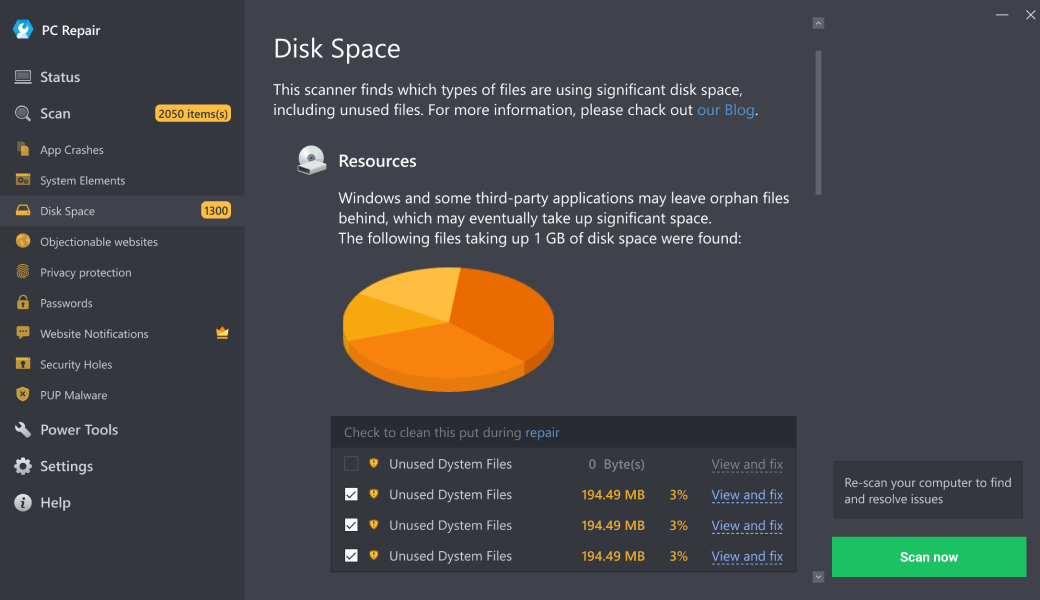
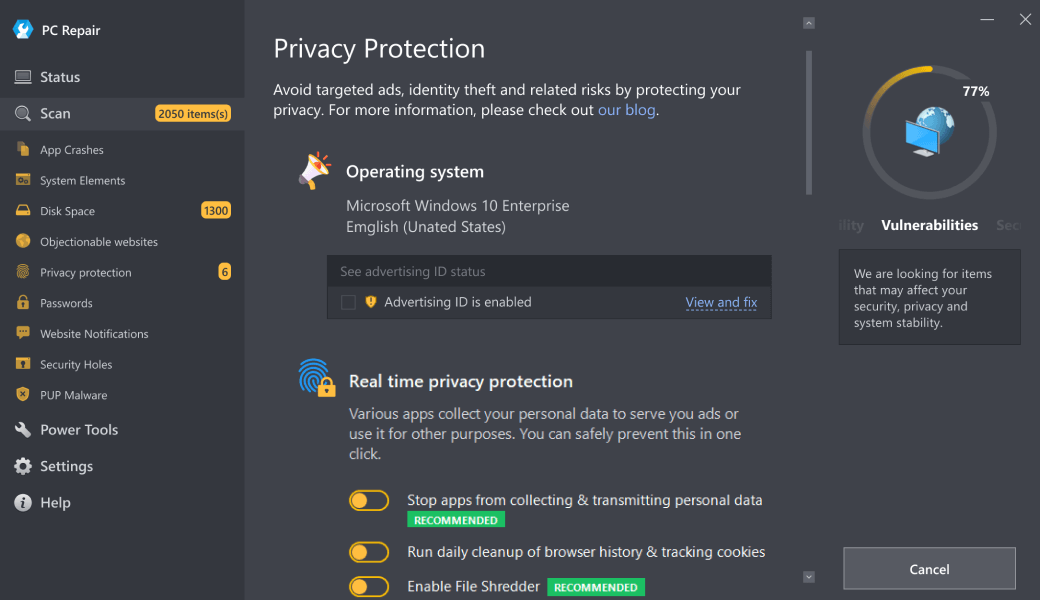
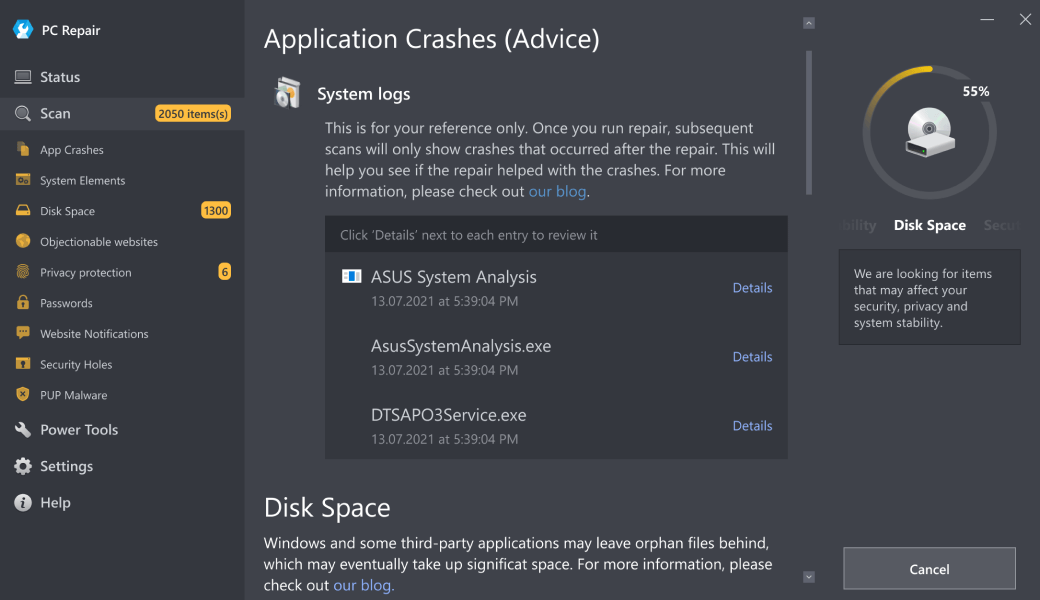
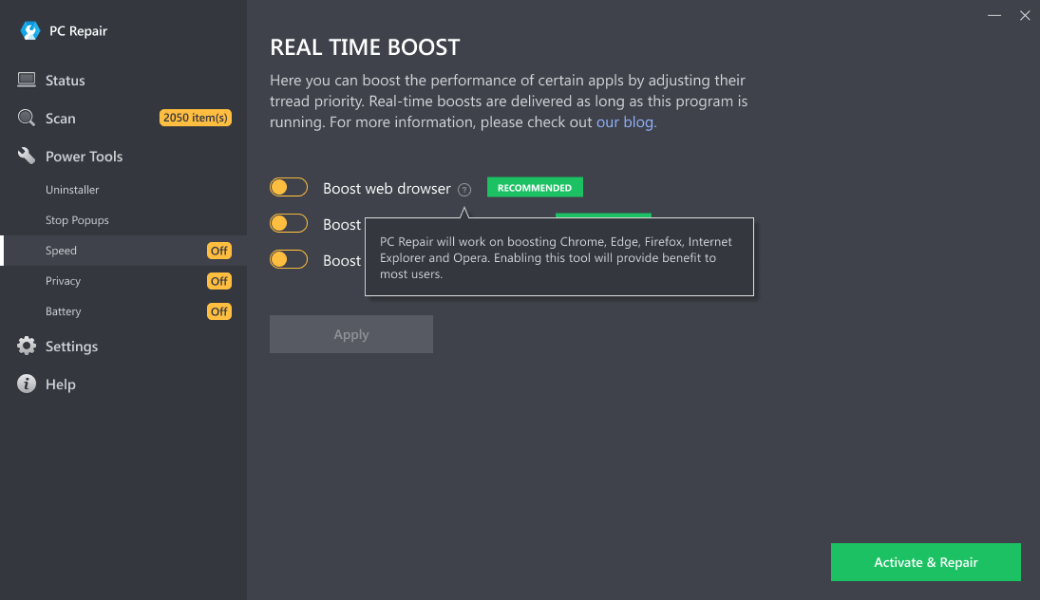
For users encountering persistent or complex issues—such as recurring drive detection failures, driver conflicts, or underlying system corruption—an automated repair tool may offer a more efficient resolution. Outbyte PC Repair is designed to address such scenarios by performing comprehensive system scans to identify and resolve issues related to hardware detection, driver integrity, and system configuration. Its features include automated issue resolution, performance optimization, and maintenance of overall system health, making it a practical option for those seeking a time-saving alternative to manual troubleshooting while ensuring thorough system care without direct user intervention.
Download Outbyte PC Repair for automated issue diagnosis and repair (compatible with Windows 8/10/11).Special offer. See more information about Outbyte; uninstall instructions; EULA; Privacy Policy.
MAIN CAUSES
1. Driver Issues or Corruption
Windows relies on proper device drivers to recognize and communicate with external hard drives. If these drivers become outdated, corrupted, or conflict with other system drivers, the operating system may fail to detect the drive. This can occur after Windows updates, system crashes, or improper device disconnection.
2. Partition Problems or Unallocated Space
The drive may have partition table corruption, invalid file system structures, or unallocated space that Windows cannot mount. If the Master Boot Record (MBR) or GUID Partition Table (GPT) becomes damaged, or if the partition lacks a drive letter assignment, the drive will appear in Disk Management but not in File Explorer.
3. Power Supply Insufficiency
External hard drives, particularly larger 3.5-inch models without external power adapters, may not receive adequate power from the USB port. Insufficient power prevents the drive from spinning up properly, causing it to be undetectable. This often occurs when using front-panel USB ports, USB hubs, or older USB 2.0 ports that deliver limited power.
4. Connection and Hardware Failures
Faulty USB cables, damaged USB ports, or internal hardware failure within the external drive enclosure can prevent detection. The USB controller board inside the external drive enclosure may malfunction, or the SATA-to-USB bridge circuitry could fail, even if the actual hard drive mechanism remains functional.
5. File System Corruption
When the file system (NTFS, FAT32, exFAT) becomes corrupted due to improper ejection, power surges, or bad sectors, Windows may fail to recognize the drive's format. The system detects the physical device but cannot mount the file system, making the drive inaccessible through normal file browsing.
6. USB Controller and Port Issues
The computer's USB host controller drivers may be malfunctioning, or specific USB ports might be disabled in BIOS/UEFI settings. Some USB ports may provide only charging capability without data transfer functionality, particularly on laptops or newer devices with multi-purpose USB-C ports.
7. Drive Letter Conflicts
Windows may fail to assign a drive letter automatically if another device is already using the same letter, or if the system's drive letter assignment table becomes corrupted. This makes the drive technically present in the system but invisible in File Explorer.
CONCLUSION
Maintaining reliable external storage connectivity requires consistent system maintenance and proper hardware handling practices. External hard drives serve as critical components for data backup, file transfers, and expanded storage capacity, making their reliable operation essential for both personal and professional computing needs. Regular system maintenance can prevent many common detection issues and ensure optimal performance when accessing your external storage devices.
Implementing a structured maintenance routine significantly reduces the likelihood of connection problems. Begin by regularly updating device drivers through Windows Update or manufacturer websites to ensure compatibility with your operating system. Periodically check Disk Management to verify that all connected drives receive proper drive letter assignments and appear with correct partition information. Always use the "Safely Remove Hardware" feature before disconnecting external drives to prevent file system corruption. Test your external drives with multiple USB cables and different computer ports to isolate potential hardware issues. Keep your USB controllers updated and consider using powered USB hubs for drives requiring additional power. Regularly scan your system for driver conflicts and maintain backup power solutions to protect against sudden power loss during data transfers.
For comprehensive system maintenance that addresses underlying driver and registry issues, consider using specialized tools like Outbyte PC Repair. Such utilities can automatically identify and resolve common system problems that may affect external device recognition. However, remember that persistent hardware detection issues despite thorough troubleshooting may indicate physical drive failure requiring professional data recovery services. When a drive contains crucial data and standard troubleshooting methods fail, cease further connection attempts and consult data recovery specialists to prevent permanent data loss. By adopting proactive maintenance habits and addressing issues promptly, you can ensure your external storage remains reliably accessible whenever needed, protecting your valuable data and maintaining efficient workflow continuity.
| Trial limitation: | Category-based repair access for at least 2 days |
| Price (full version): | From $29.95 |

The following steps should resolve the external-hard-drive-not-showing-up issue:
- Step 1. Download Outbyte PC Repair application See more information about Outbyte; uninstall instructions; EULA; Privacy Policy.
- Step 2. Install and launch the application
- Step 3. Click the Scan Now button to detect issues and abnormalities
- Step 4. Click the Repair All button to resolve the issues
| Compatibility | Win 11, 10, 8 |
| Download Size | 28 MB |
| Requirements | 300 MHz Processor, 256 MB RAM, 101 MB disk space |
Limitations: The trial version offers unlimited scans, backups, and restores. Full version registration starts at $29.95.

Outbyte PC Repair (version 1.1.12.641) is certified by AppEsteem – a trusted cybersecurity organization – with ongoing monitoring.
Being able to meet all of AppEsteem’s strict requirements means that Outbyte PC Repair can be considered clean, safe, and transparent; and that it is compliant with the ethical and legal norms of distribution.
AppEsteem is one of the world’s most prominent cybersecurity organizations that contributes to the safety of more than 2 billion users. The company was founded by a team of experienced Microsoft cybersecurity specialists. Its mission is to create a safe space for computer and internet users where they are protected against cyber threats and deceptive or unethical practices.