How To Fix External Hard Drive Not Recognized in Windows
How To Fix External Hard Drive Not Recognized in Windows
If you’ve ever plugged in an external hard drive only to find that Windows doesn’t recognize it, you’re not alone. This common issue occurs when your computer fails to detect or properly assign a drive letter to your external storage device, making it inaccessible through File Explorer. You might see a notification that says “USB device not recognized,” or the drive may appear in Disk Management with no assigned letter or as “Unknown” or “Not Initialized.” This problem can happen across all versions of Windows, including Windows 10 and 11, and may be accompanied by issue codes such as Issue Code 43 or Code 10 in Device Manager.
This issue typically arises after connecting the drive to a new USB port, following a Windows update, or due to driver conflicts, power settings, or file system issues. While your external drive isn’t accessible, your computer’s core functionality remains unaffected—it’s simply unable to read the storage device at that moment. The good news is that this is almost always a software or configuration issue that can be resolved with a few straightforward steps. In this guide, we’ll walk you through practical, easy-to-follow solutions to get your external hard drive working again.
Contents
[hide]PREPARATION STEPS (Professional guidance)
Before troubleshooting an unrecognized external hard drive, ensure these preparatory measures are completed to safeguard your system and data:
1. Create a System Restore Point
- Open the Start menu, type "Create a restore point," and select the result. In the System Properties window, click "Create," name it (e.g., "Pre-External Drive Resolve"), and confirm.
- *Purpose:* Protects against unintended system changes during troubleshooting.
2. Back Up Critical Data
- If the external drive contains accessible data, copy files to another storage device or cloud service immediately.
- *Purpose:* Prevents potential data loss if drive issues worsen during repair attempts.
3. Temporarily Disable Antivirus/Anti-Malware
- Open your security software’s interface, locate real-time protection settings, and disable it temporarily (usually for 1 hour).
- *Purpose:* Eliminates interference from security software that might block drive detection or mounting.
4. Check Physical Connections and Power
- Disconnect and reconnect the drive using a different USB port and cable if available. Ensure externally powered drives are plugged into a working outlet.
- *Purpose:* Rules out simple hardware faults before software-based troubleshooting.
STEP-BY-STEP FIXES (Technical precision)
Try these manual solutions in sequence:
Solution 1: Use Disk Management to Initialize or Assign a Drive Letter
1. Press `Win + R`, type `diskmgmt.msc`, and press Enter.
2. Locate the external drive in the list (may appear as "Unknown" or "Unallocated").
3. Right-click the disk space and select:
- Initialize Disk (if uninitialized), then choose MBR or GPT (use GPT for drives over 2TB).
- Change Drive Letter and Paths → Add (if initialized but missing a letter).
4. Assign a drive letter not in use (e.g., `G:`) and confirm.
⚠️ Warning: Initializing erases all data. Only proceed if the drive is new or data is backed up.
Solution 2: Update or Reinstall Drivers via Device Manager
1. Press `Win + X`, select "Device Manager."
2. Expand "Disk drives" and "Universal Serial Bus controllers."
3. Right-click the external drive (or USB controllers if drive isn’t listed) and select "Uninstall device." Check "Delete the driver software" if prompted.
4. Disconnect the drive, restart the computer, then reconnect the drive to trigger automatic driver reinstallation.
Solution 3: Modify Registry to Reset USB Controllers (Advanced)
1. Press `Win + R`, type `regedit`, and press Enter.
2. Navigate to:
```HKEY_LOCAL_MACHINE\SYSTEM\CurrentControlSet\Services\USBSTOR```
3. Ensure the `Start` DWORD value is set to `3` (enabled). If modified, set it to `3` and restart.
4. If issues persist, navigate to:
```HKEY_LOCAL_MACHINE\SYSTEM\CurrentControlSet\Control\Class\{36fc9e60-c465-11cf-8056-444553540000}```
5. Delete any lower filters values present (right-click → Delete), then restart.
⚠️ Warning: Incorrect registry edits can cause system instability. Back up the registry (File → Export) before making changes.
ADVANCED SOLUTION OPTION (Professional recommendation)
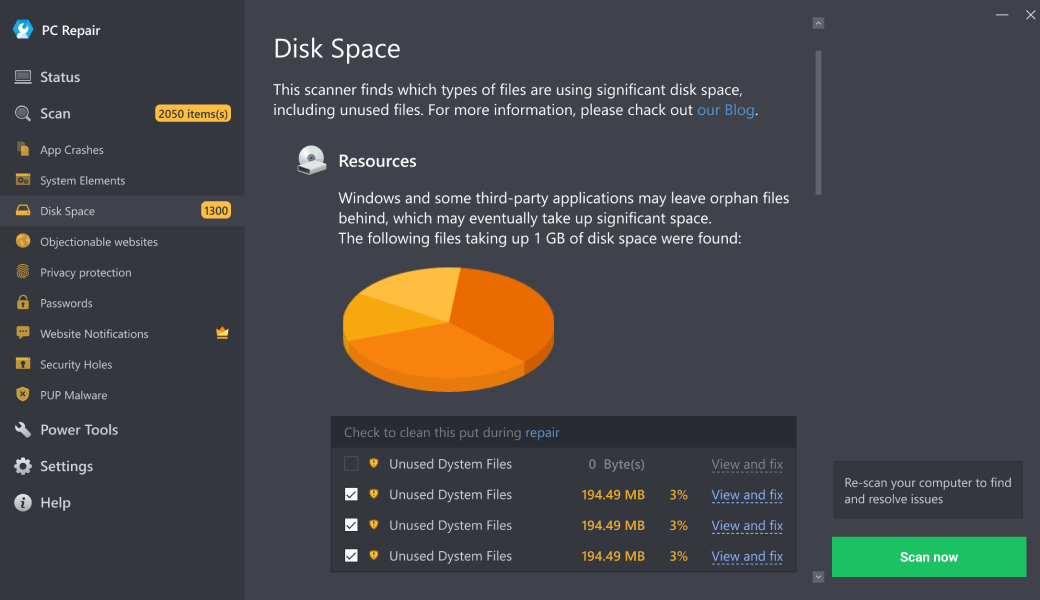
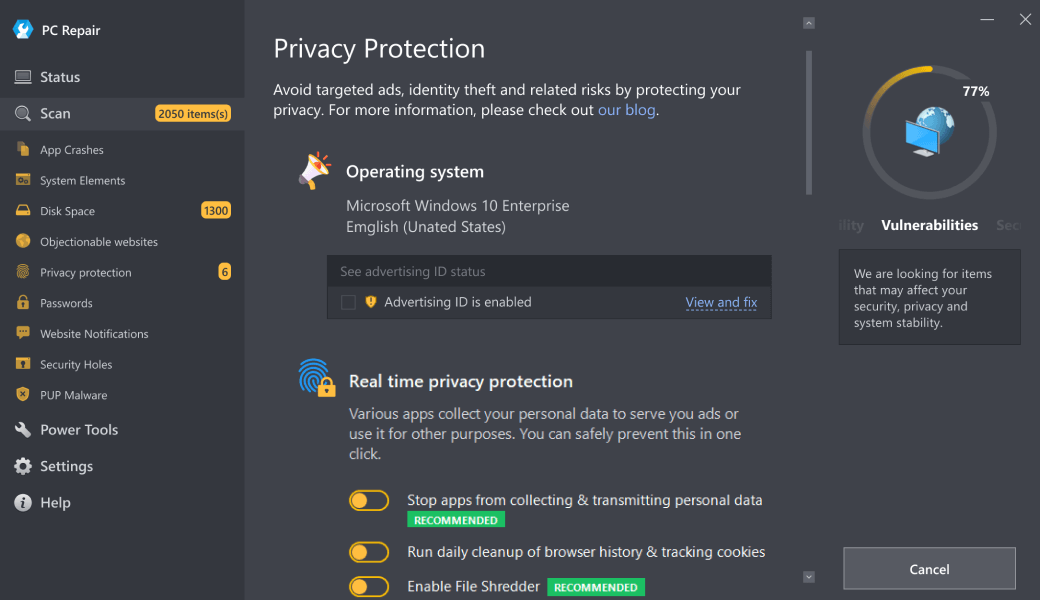
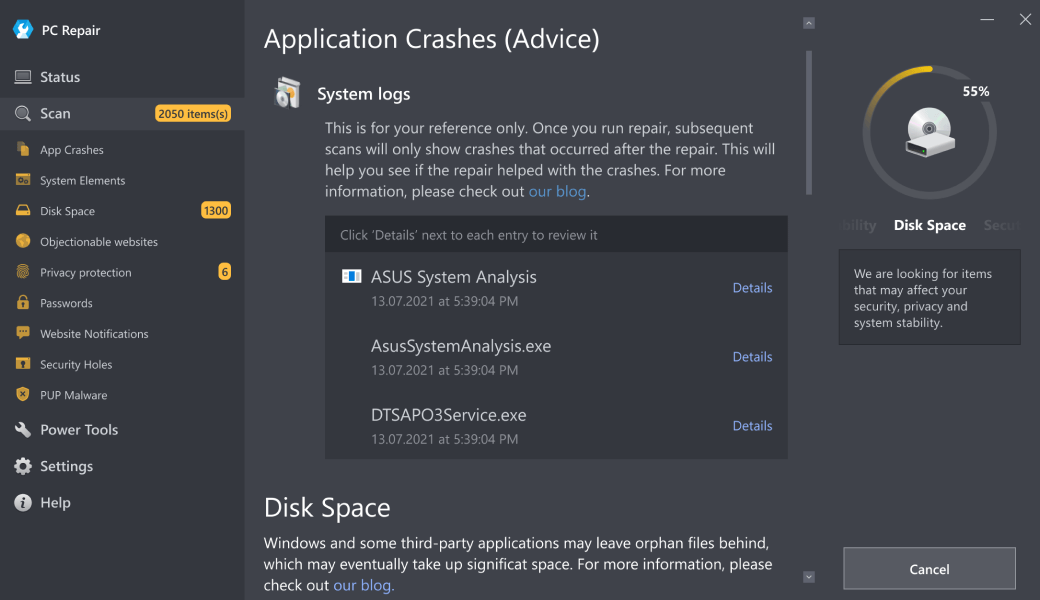
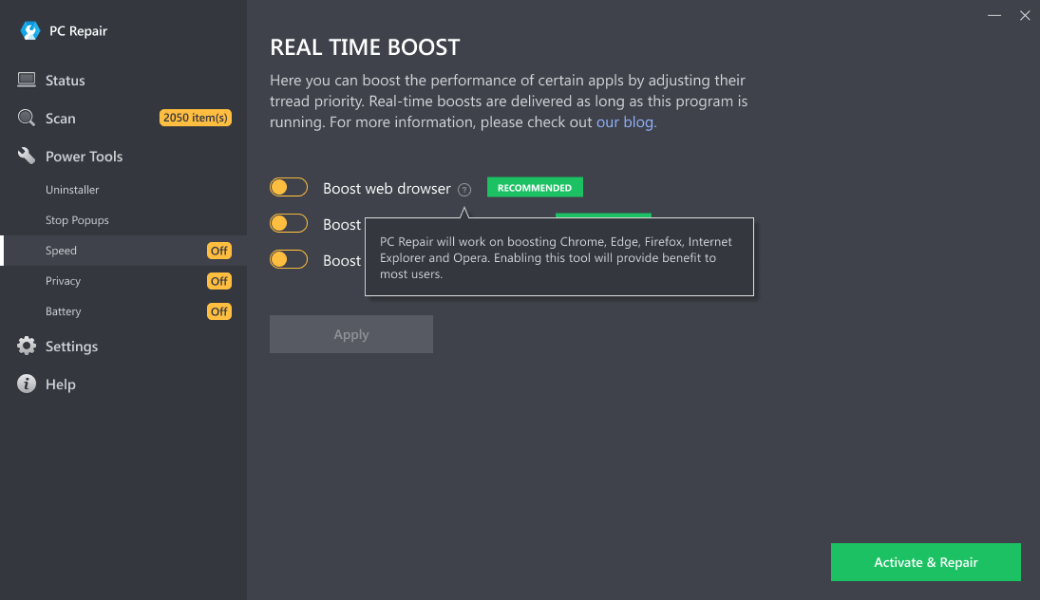
For persistent or complex external drive recognition issues—such as recurring driver conflicts, undetected hardware despite multiple resolves, or system-level corruption affecting storage devices—an automated repair tool can provide a efficient and comprehensive resolution. Outbyte PC Repair is a professional-grade utility designed to address such scenarios by performing deep system scans to rectify driver issues, registry inconsistencies, and configuration faults that manual methods may overlook. It offers structured issue resolution, optimizes system performance by cleaning redundant files and invalid entries, and helps maintain overall system health through scheduled maintenance checks. This approach is particularly valuable when time constraints or technical complexity make manual troubleshooting impractical, ensuring reliable results without direct user intervention in critical system areas.
Download Outbyte PC Repair for automated issue diagnosis and repair (compatible with Windows 8/10/11).Special offer. See more information about Outbyte; uninstall instructions; EULA; Privacy Policy.
MAIN CAUSES
1. Driver Issues or Outdated Drivers
Windows relies on specific drivers to communicate with external storage devices. If the drivers are corrupted, missing, or outdated, the operating system may fail to recognize the hard drive. This can occur after a Windows update, system crash, or improper device ejection.
2. Faulty or Loose USB Connection
External hard drives require a stable physical connection to function. A damaged USB cable, loose port connection, or insufficient power supply (common with larger drives that need dual USB connections) can prevent proper detection. USB ports themselves may also be faulty or disabled in BIOS/UEFI settings.
3. File System Corruption or Incompatibility
If the external drive uses a file system that Windows doesn't support natively (e.g., APFS for macOS, ext4 for Linux), it won’t be recognized. Additionally, corruption in the file system due to improper ejection, bad sectors, or malware can make the drive unreadable.
4. Drive Letter Conflict or Assignment Issues
Windows assigns drive letters (e.g., E:, F:) to storage devices. If another device is using the same letter, or if the drive letter is missing or corrupted in Disk Management, the external drive may not appear in File Explorer despite being detected in Device Manager.
5. Power Management Settings
Windows’ power-saving features can sometimes disable USB ports to conserve energy. If the external drive requires more power or if the USB selective suspend setting is enabled, the port may not supply adequate power, causing detection failures.
6. Physical Drive Failure
The hard drive itself may have hardware issues, such as a damaged PCB (printed circuit board), failed read/write heads, or motor failure. These physical problems prevent the drive from spinning up or being detected by the system entirely.
7. Outdated or Corrupted USB Controllers
The USB controllers in your system manage data transfer between devices and the OS. If these controllers have outdated drivers or become corrupted, they can disrupt communication with all USB devices, including external hard drives.
CONCLUSION
Maintaining a reliable computing environment requires consistent attention to both hardware and software components, especially when dealing with external storage devices that are crucial for data backup and expansion. The failure of an external hard drive to be recognized can stem from various issues, but many are preventable with proactive system care. To minimize such problems and ensure optimal performance, adopt regular maintenance practices. First, always use the "Safely Remove Hardware" feature before disconnecting external drives to prevent file system corruption. Second, keep your operating system and drivers updated through Windows Update or manufacturer websites to avoid compatibility issues. Third, periodically check disk health using built-in tools like CHKDSK or third-party utilities such as Outbyte PC Repair, which can automate driver updates, clean registry issues, and optimize system settings. Fourth, inspect physical connections regularly, replacing damaged cables and using powered USB hubs for high-demand devices. Fifth, manage drive letters in Disk Management to prevent conflicts, and sixth, disable unnecessary power-saving features for USB ports in Power Options.
While many issues can be resolved through these measures, recognize when professional assistance is needed—such as when physical drive damage is suspected or data recovery is required. Tools like Outbyte PC Repair can simplify maintenance tasks, but complex hardware failures warrant expert intervention. Ultimately, consistent care enhances system reliability, ensuring that your external storage remains accessible and your daily computing needs are met without interruption. Prioritize these habits to safeguard your data and maintain efficient operation across all your devices.
| Trial limitation: | Category-based repair access for at least 2 days |
| Price (full version): | From $29.95 |

The following steps should resolve the external-hard-drive-not-recognized issue:
- Step 1. Download Outbyte PC Repair application See more information about Outbyte; uninstall instructions; EULA; Privacy Policy.
- Step 2. Install and launch the application
- Step 3. Click the Scan Now button to detect issues and abnormalities
- Step 4. Click the Repair All button to resolve the issues
| Compatibility | Win 11, 10, 8 |
| Download Size | 28 MB |
| Requirements | 300 MHz Processor, 256 MB RAM, 101 MB disk space |
Limitations: The trial version offers unlimited scans, backups, and restores. Full version registration starts at $29.95.

Outbyte PC Repair (version 1.1.12.641) is certified by AppEsteem – a trusted cybersecurity organization – with ongoing monitoring.
Being able to meet all of AppEsteem’s strict requirements means that Outbyte PC Repair can be considered clean, safe, and transparent; and that it is compliant with the ethical and legal norms of distribution.
AppEsteem is one of the world’s most prominent cybersecurity organizations that contributes to the safety of more than 2 billion users. The company was founded by a team of experienced Microsoft cybersecurity specialists. Its mission is to create a safe space for computer and internet users where they are protected against cyber threats and deceptive or unethical practices.