How To Fix Event ID 0 in Windows
How To Fix Event ID 0 in Windows
Event ID 0 is a generic notification that appears in Windows Event Viewer, indicating that a system process or application has completed an operation without specifying whether it was successful or encountered an issue. Unlike most issue codes that provide specific details about problems, Event ID 0 essentially means "operation completed" but lacks clarity about the outcome. This can make troubleshooting challenging since it doesn't directly point to what might be wrong with your system.
You might encounter Event ID 0 in various situations, such as after Windows updates, during application installations or removals, when services start or stop, or when drivers initialize. This event appears across all modern Windows versions, including Windows 10, Windows 11, and Windows Server editions. While Event ID 0 itself doesn't typically cause immediate system instability or performance issues, it can sometimes accompany other problems that do affect your computer's functionality. When you see this event alongside system slowdowns, application crashes, or other issue codes like Event ID 1, 10, or 100, it may indicate underlying issues that need attention.
The good news is that while Event ID 0 can be confusing due to its vague nature, it's generally resolvable with systematic troubleshooting. In most cases, this event doesn't represent a critical system failure but rather serves as a starting point for further investigation into potential system or application issues.
Contents
[hide]PREPARATION STEPS
Before addressing Event ID 0, ensure system stability and data safety with these preparatory measures:
1. Create a System Restore Point
- Open Start Menu, type "Create a restore point," select System Protection tab, click Create, and name it (e.g., "Pre-EventID0-Resolve").
- Purpose: Allows rollback to a stable system state if changes cause instability.
2. Back Up Critical Data
- Copy essential files to an external drive or cloud storage using File History or manual file transfer.
- Purpose: Protects against accidental data loss during troubleshooting.
3. Temporarily Disable Antivirus/Real-Time Protection
- Open Windows Security → Virus & Threat Protection → Manage Settings, toggle Real-time Protection off (temporarily).
- Purpose: Prevents interference with diagnostic tools or registry/file modifications.
4. Note Recent System Changes
- Document recently installed software, drivers, or updates via Settings → Apps & Features or Device Manager.
- Purpose: Helps correlate Event ID 0 with specific changes for targeted resolution.
STEP-BY-STEP FIXES
Method 1: Run System File Checker (SFC)
1. Open Command Prompt as Administrator.
2. Enter the command to scan and repair system files:
 ```cmd
 sfc /scannow
 ```
3. Allow the scan to complete; restart if repairs are made.
4. Check Event Viewer to see if Event ID 0 recurs.
Method 2: Update or Roll Back Drivers
1. Press `Win + X`, select Device Manager.
2. Expand categories, right-click devices with warning icons, choose Update Driver.
3. If issues persist, right-click the device → Properties → Driver tab → Roll Back Driver (if available).
4. Restart the system and monitor for Event ID 0.
Method 3: Clear Windows Event Logs
1. Open Event Viewer (`eventvwr.msc`).
2. Navigate to Windows Logs → select Application, System, or Security.
3. Right-click each log, choose Clear Log (save if prompted).
4. Restart the system; check if Event ID 0 reappears in a clean log.
ADVANCED SOLUTION OPTION
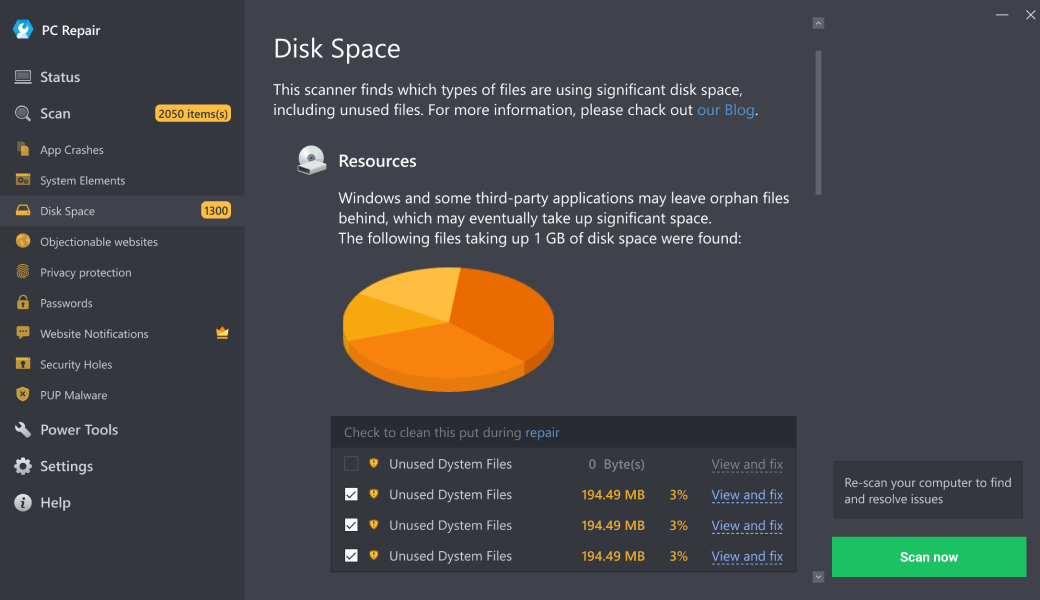
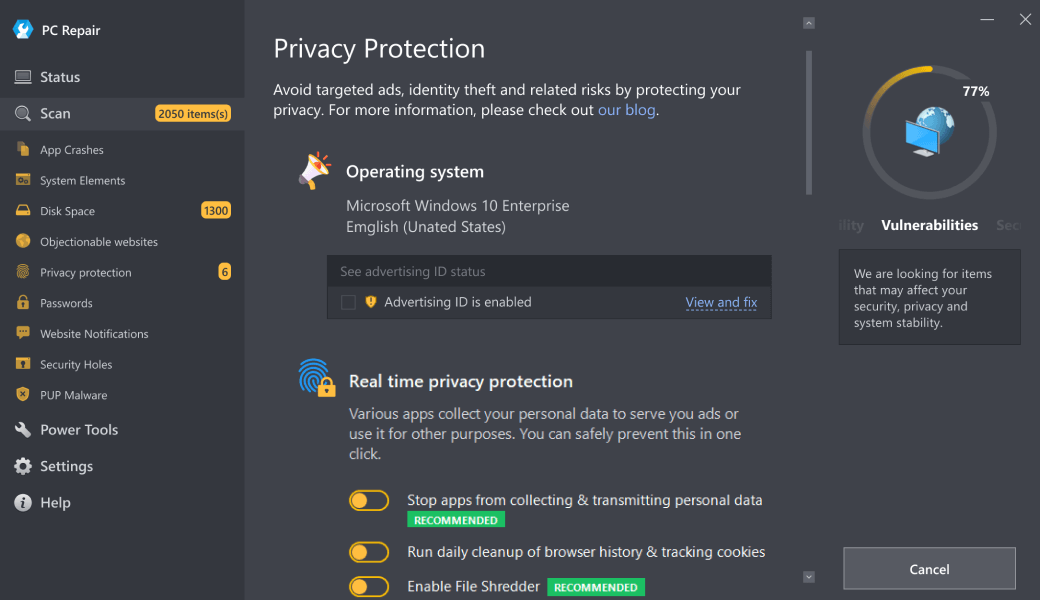
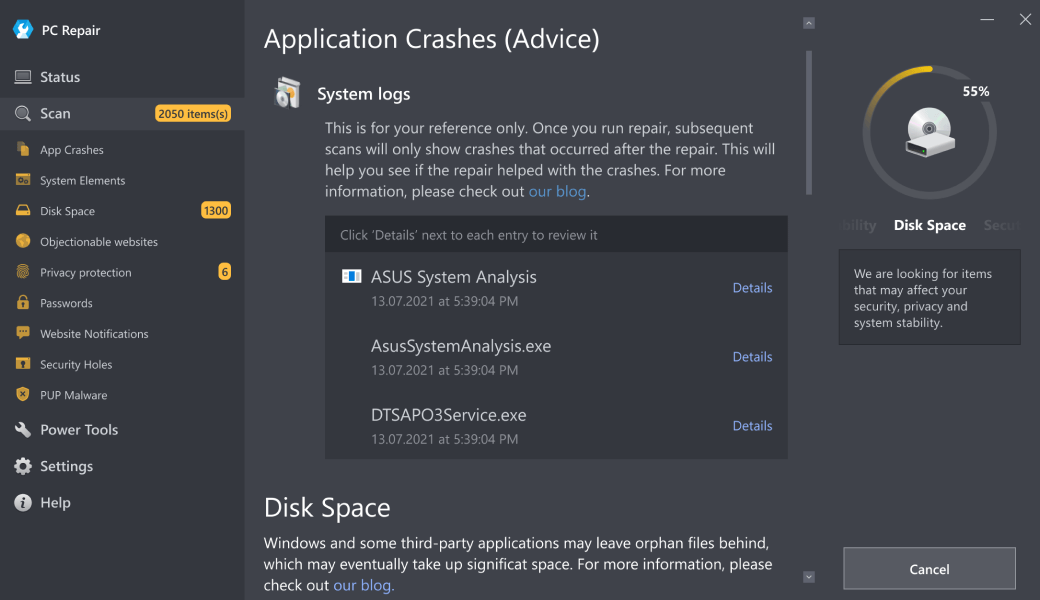
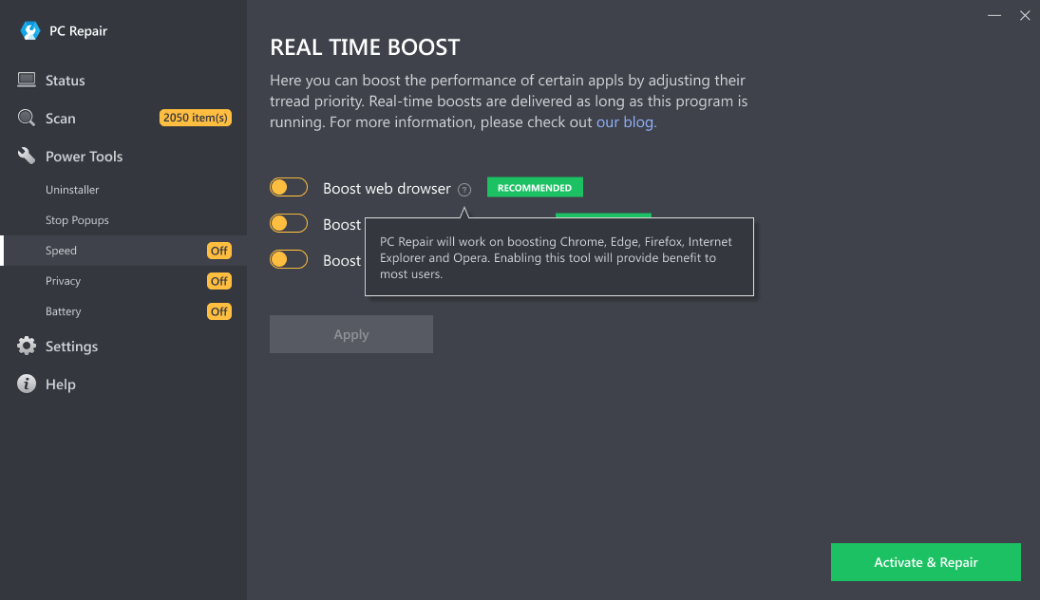
For persistent or complex instances of Event ID 0—particularly when manual methods are time-consuming or inconclusive—an automated repair tool can provide efficient resolution. Outbyte PC Repair is a professional utility designed to address system issues, optimize performance, and maintain overall system health through automated scanning and repair of registry issues, corrupted files, and misconfigurations. It offers a structured approach for users needing comprehensive maintenance without advanced technical involvement, ensuring system stability and reducing diagnostic time through its issue-resolution and optimization features.
Download Outbyte PC Repair for automated issue diagnosis and repair (compatible with Windows 8/10/11).Special offer. See more information about Outbyte; uninstall instructions; EULA; Privacy Policy.
MAIN CAUSES
Event ID 0 typically indicates a generic system issue without specific categorization. This non-specific issue code can stem from various underlying system issues:
1. Driver Conflicts and Corruption: Outdated, incompatible, or corrupted device drivers can trigger Event ID 0 issues when the operating system attempts to access hardware components. This includes display drivers, storage controllers, and peripheral drivers that fail to initialize properly or conflict with system resources.
2. Memory Management Issues: Faulty RAM modules, incorrect memory timing settings, or memory allocation issues can cause Event ID 0 entries. When the Windows Memory Manager encounters unrecoverable issues during page file operations or memory allocation, it may log this generic event.
3. System File Corruption: Critical Windows system files (such as DLL files, EXE components, or registry hives) that become damaged or missing can generate Event ID 0 issues. This corruption often results from improper shutdowns, disk write issues, or malware infections affecting core operating system components.
4. Hardware Component Failure: Failing hardware components including power supply units, motherboards, or storage devices can manifest as Event ID 0 issues. These failures typically occur when hardware cannot maintain stable operation under load or experiences intermittent connectivity issues.
5. Software Compatibility Problems: Applications or services that conflict with Windows system processes may trigger Event ID 0. This includes incompatible software installations, incorrectly configured services, or programs that attempt to access restricted system resources without proper permissions.
6. Power Management Issues: Advanced Configuration and Power Interface (ACPI) conflicts or incorrect power settings can cause Event ID 0 issues during system sleep, hibernation, or power state transitions. These issues often relate to BIOS/UEFI firmware compatibility with Windows power management features.
7. Malware and Security Threats: System infections by viruses, rootkits, or other malicious software can compromise system stability and generate Event ID 0 entries. Malware often modifies system files, injects code into legitimate processes, or creates resource conflicts that destabilize the operating environment.
CONCLUSION
Maintaining system stability and preventing recurring Event ID 0 issues requires consistent, proactive computer maintenance practices. Regular system care not only resolves existing issues but also prevents future problems that can disrupt productivity and compromise data integrity. For optimal system performance, implement a comprehensive maintenance routine that includes several key practices.
Begin with regular driver updates, ensuring all hardware components operate with manufacturer-approved drivers that maintain compatibility with your Windows version. Establish a systematic backup strategy using both local and cloud-based solutions to protect critical data against unexpected system failures. Perform monthly disk cleanup operations to remove temporary files and system clutter that can accumulate and degrade performance over time. Schedule weekly malware scans using reputable security software to detect and eliminate potential threats before they can compromise system stability.
Incorporate monthly disk issue checking using built-in Windows utilities like CHKDSK to identify and repair file system inconsistencies. Maintain adequate free space on your system drive—at least 15-20% of total capacity—to ensure proper virtual memory operation and prevent storage-related issues. For users seeking automated maintenance solutions, tools like Outbyte PC Repair can streamline these processes by identifying system issues, cleaning redundant files, and optimizing performance through scheduled maintenance routines.
When Event ID 0 issues persist despite basic troubleshooting, or when accompanied by system crashes, data corruption, or hardware failure symptoms, seek professional technical assistance. Certified technicians can perform comprehensive hardware diagnostics, advanced system repairs, and malware removal that may be beyond typical user expertise. Remember that consistent system maintenance is not merely about resolving immediate problems but about ensuring long-term reliability for your daily computing needs, whether for professional work, personal use, or entertainment purposes. A well-maintained system provides the foundation for efficient, uninterrupted computing experiences and protects your investment in both hardware and software resources.
| Trial limitation: | Category-based repair access for at least 2 days |
| Price (full version): | From $29.95 |

The following steps should resolve the event-id-0 issue:
- Step 1. Download Outbyte PC Repair application See more information about Outbyte; uninstall instructions; EULA; Privacy Policy.
- Step 2. Install and launch the application
- Step 3. Click the Scan Now button to detect issues and abnormalities
- Step 4. Click the Repair All button to resolve the issues
| Compatibility | Win 11, 10, 8 |
| Download Size | 28 MB |
| Requirements | 300 MHz Processor, 256 MB RAM, 101 MB disk space |
Limitations: The trial version offers unlimited scans, backups, and restores. Full version registration starts at $29.95.

Outbyte PC Repair (version 1.1.12.641) is certified by AppEsteem – a trusted cybersecurity organization – with ongoing monitoring.
Being able to meet all of AppEsteem’s strict requirements means that Outbyte PC Repair can be considered clean, safe, and transparent; and that it is compliant with the ethical and legal norms of distribution.
AppEsteem is one of the world’s most prominent cybersecurity organizations that contributes to the safety of more than 2 billion users. The company was founded by a team of experienced Microsoft cybersecurity specialists. Its mission is to create a safe space for computer and internet users where they are protected against cyber threats and deceptive or unethical practices.