How To Fix DRM in Windows
How To Fix DRM in Windows
When you encounter DRM (Digital Rights Management) issues in Windows, it means your computer is having trouble playing or accessing protected digital content like movies, music, or e-books that require special permission to use. This protection system is designed to prevent unauthorized copying and distribution, but when it malfunctions, you might see issue messages such as "Playback Issue," "Content Protected," or specific codes like 0xC00D11CD. These problems typically occur when trying to watch streaming videos from services like Netflix or Amazon Prime, play purchased media from the Microsoft Store, or access protected documents.
DRM issues can affect all modern Windows versions, including Windows 10 and Windows 11, and may occur after system updates, when software components become outdated, or when there are conflicts with security settings. The impact ranges from minor inconveniences like being unable to play specific content to complete blockage of media playback in certain applications. While frustrating, it's important to know that most DRM problems are temporary and can be resolved through straightforward troubleshooting steps that refresh your system's licensing components and update necessary software. This guide will walk you through practical solutions to restore your access to protected content while maintaining the security features that protect digital media rights.
PREPARATION STEPS
Before addressing DRM-related issues, it is essential to prepare your system to prevent data loss or further complications. Follow these preparatory measures:
1. Create a System Restore Point
- Open the Start Menu, type "Create a restore point," and select the result.
- In the System Properties window, click "Create," name the restore point (e.g., "Pre-DRM Resolve"), and confirm.
- Purpose: Allows you to revert system changes if modifications cause instability.
2. Back Up Important Data
- Copy critical files (documents, media, etc.) to an external drive or cloud storage.
- Use File History or a third-party backup tool for comprehensive coverage.
- Purpose: Safeguards personal data against accidental loss during troubleshooting.
3. Temporarily Disable Antivirus/Firewall
- Open your antivirus software’s interface, locate real-time protection or firewall settings, and temporarily disable them.
- Remember to re-enable protection after completing the resolves.
- Purpose: Prevents interference from security software when modifying system components related to DRM.
4. Note Current DRM-Protected Content Details
- Identify which applications or media (e.g., streaming services, games) are affected by the issue.
- Purpose: Helps isolate whether the issue is application-specific or system-wide.
STEP-BY-STEP FIXES
If you encounter DRM issues (e.g., "DRM not supported," playback issues), apply these manual solutions in sequence:
Method 1: Reset DRM Components via Command Line
1. Press `Win + X` and select "Windows Terminal (Admin)" or "Command Prompt (Admin)."
2. Run the following commands to reset DRM licensing components:
   ```batch
   net stop wmpnetworksvc
   del /q "%userprofile%\AppData\Local\Microsoft\Windows Media\*.wmdb"
   net start wmpnetworksvc
   ```
3. Restart your computer and test DRM functionality.
4. Warning: This will clear local media library databases; reimport media if necessary.
Method 2: Re-register DRM-related System Files
1. Open Windows Terminal as Administrator.
2. Execute these commands to re-register essential libraries:
   ```batch
   regsvr32.exe /u blackbox.dll
   regsvr32.exe blackbox.dll
   regsvr32.exe wmdrmsdk.dll
   ```
3. If any file is missing, ensure you are using a supported Windows edition with Media Features enabled.
4. Restart affected applications or the system.
Method 3: Clear Specific DRM Registry Keys (Advanced)
1. Open Registry Editor by typing `regedit` in the Run dialog (`Win + R`).
2. Navigate to:
   ```
   HKEY_LOCAL_MACHINE\SOFTWARE\Microsoft\DRM
   ```
3. Right-click the "DRM" key, export it as a backup, then delete the key.
4. Restart the computer; Windows will regenerate default DRM settings.
5. Warning: Incorrect registry edits can cause system instability—proceed with caution and backup first.
ADVANCED SOLUTION OPTION
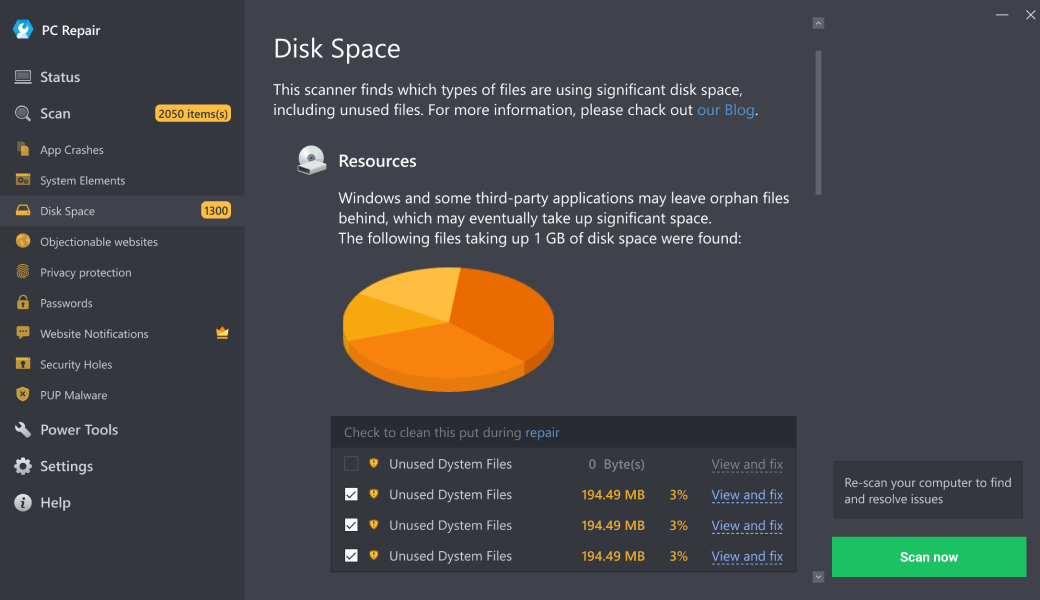
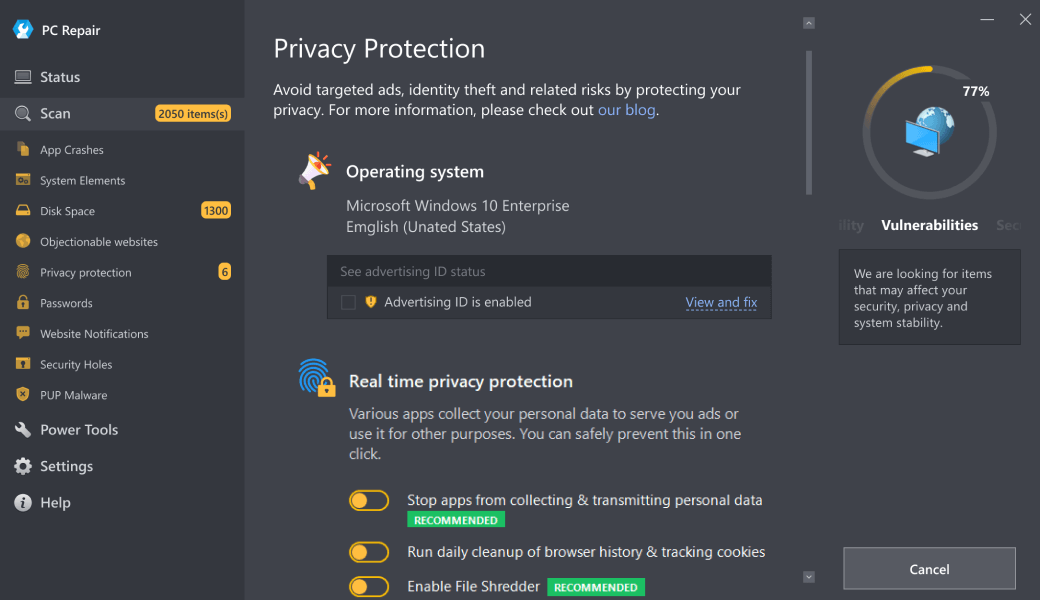
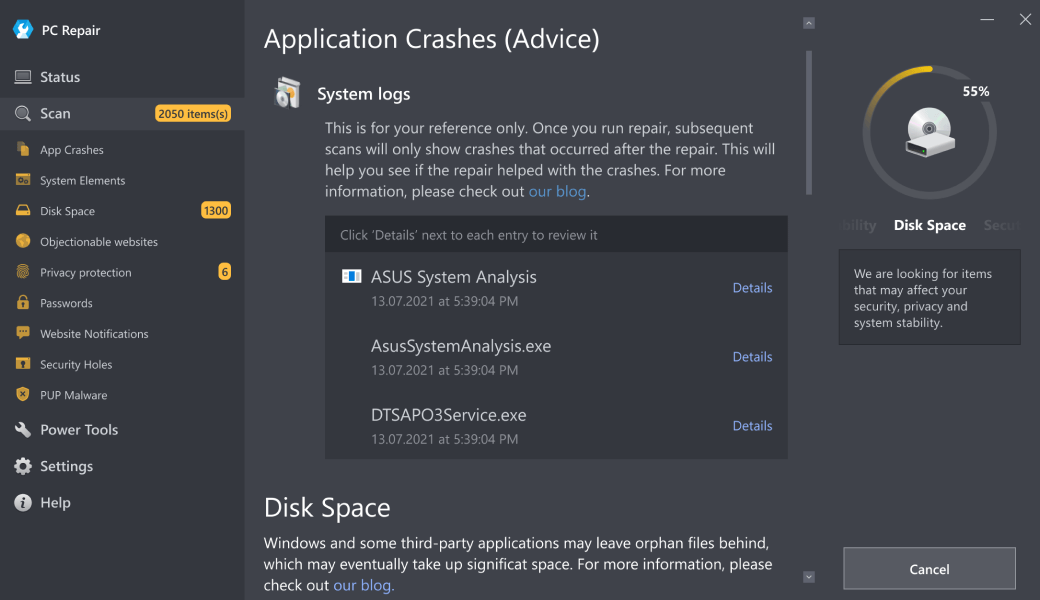
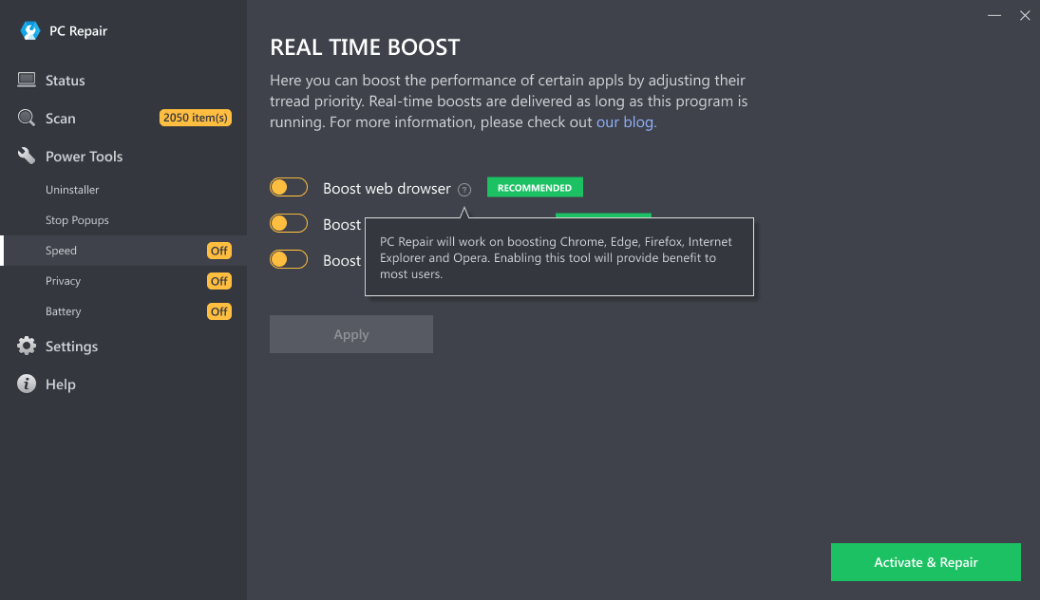
For persistent or complex DRM issues that resist manual correction—such as recurring license validation failures, corrupted system files affecting multiple applications, or time-consuming troubleshooting—an automated repair tool can provide an efficient and comprehensive resolution. Outbyte PC Repair is a professional-grade utility designed to address such scenarios systematically. It performs deep system scans to identify and resolve underlying issues, including damaged DRM components, invalid registry entries, and conflicting software settings. Additionally, it optimizes system performance and stability through routine maintenance features like junk file cleanup and startup management. This approach is particularly valuable for users seeking a reliable, time-saving alternative to manual methods while ensuring overall system health without requiring advanced technical expertise.
Download Outbyte PC Repair for automated issue diagnosis and repair (compatible with Windows 8/10/11).Special offer. See more information about Outbyte; uninstall instructions; EULA; Privacy Policy.
MAIN CAUSES
Digital Rights Management (DRM) Component Failure
DRM issues typically occur when Windows Media Player or other media applications cannot validate digital content licenses. This happens when DRM components become corrupted, outdated, or improperly configured, preventing the system from verifying your rights to access protected content.
Corrupted License Store
Windows maintains a protected storage area for DRM licenses. If this license store becomes corrupted due to improper system shutdowns, disk issues, or software conflicts, the system cannot retrieve valid licenses for protected media files, resulting in playback failures.
Outdated or Incompatible Codecs
Media playback requires specific codecs to decode protected content. When these codecs are outdated, missing, or incompatible with current DRM protocols, the system cannot properly process encrypted media files, leading to issue messages and playback interruptions.
System Time and Date Inaccuracies
DRM validation relies heavily on accurate system time and date settings. If your computer's clock is significantly out of sync, license validation may fail because the system cannot properly verify whether licenses are current and valid for the requested content.
Security Software Interference
Overly aggressive antivirus or firewall settings can sometimes block DRM components from communicating with validation servers or accessing necessary system resources. This interference prevents proper license acquisition and validation processes.
Network Connectivity Issues
Many DRM systems require periodic online validation to confirm license status. Network connectivity problems, DNS issues, or blocked ports can prevent successful communication with license servers, causing validation failures even with previously authorized content.
User Account Control and Permission Conflicts
Insufficient user permissions or User Account Control (UAC) restrictions can prevent DRM components from accessing protected storage areas or making necessary system changes for license management and validation.
CONCLUSION
DRM issues represent a complex intersection of digital content protection and system functionality that requires consistent maintenance to ensure uninterrupted media access. These issues typically stem from corrupted components, outdated software, or system configuration issues that disrupt the delicate balance between content protection and user accessibility. Regular system maintenance is crucial for preventing such disruptions and maintaining optimal media playback performance.
To maintain reliable DRM functionality and overall system health, implement these essential maintenance practices: perform regular Windows updates to ensure all DRM components remain current; run periodic system file checks using the System File Checker tool; maintain updated security software without overly restrictive settings; regularly verify system time and date accuracy; clear temporary files and cache that might contain corrupted license data; monitor network connectivity for consistent internet access; and create system restore points before major software installations. For comprehensive maintenance, consider using specialized tools like Outbyte PC Repair, which can automatically identify and resolve common system issues that affect DRM performance.
Understanding when to seek technical assistance is equally important. If basic troubleshooting steps like resetting DRM components or updating media players prove ineffective, or if DRM issues persist across multiple applications, professional technical support may be necessary. Complex license store corruption or deep-seated system conflicts often require advanced diagnostic tools and expertise beyond standard user maintenance capabilities.
System reliability directly impacts daily computing experiences, particularly for users who regularly access protected media content. Proactive maintenance not only resolves immediate DRM issues but also contributes to long-term system stability. By establishing consistent maintenance routines and addressing potential problems early, users can ensure their systems remain capable of handling the evolving demands of digital content protection while providing seamless media experiences. Remember that well-maintained systems not only prevent DRM-related disruptions but also enhance overall computing performance and reliability for all your digital activities.
| Trial limitation: | Category-based repair access for at least 2 days |
| Price (full version): | From $29.95 |

The following steps should resolve the drm issue:
- Step 1. Download Outbyte PC Repair application See more information about Outbyte; uninstall instructions; EULA; Privacy Policy.
- Step 2. Install and launch the application
- Step 3. Click the Scan Now button to detect issues and abnormalities
- Step 4. Click the Repair All button to resolve the issues
| Compatibility | Win 11, 10, 8 |
| Download Size | 28 MB |
| Requirements | 300 MHz Processor, 256 MB RAM, 101 MB disk space |
Limitations: The trial version offers unlimited scans, backups, and restores. Full version registration starts at $29.95.

Outbyte PC Repair (version 1.1.12.641) is certified by AppEsteem – a trusted cybersecurity organization – with ongoing monitoring.
Being able to meet all of AppEsteem’s strict requirements means that Outbyte PC Repair can be considered clean, safe, and transparent; and that it is compliant with the ethical and legal norms of distribution.
AppEsteem is one of the world’s most prominent cybersecurity organizations that contributes to the safety of more than 2 billion users. The company was founded by a team of experienced Microsoft cybersecurity specialists. Its mission is to create a safe space for computer and internet users where they are protected against cyber threats and deceptive or unethical practices.