How To Fix Computer Sound Not Working in Windows
How To Fix Computer Sound Not Working in Windows
When your computer's sound suddenly stops working, it can be a frustrating experience that disrupts everything from listening to music and watching videos to participating in video calls. This common issue means that your Windows operating system is unable to produce audio through your speakers or headphones, even though the volume might appear to be turned up. You might encounter this problem as complete silence, intermittent audio cutting out, or an issue message stating that no audio output device is installed.
This sound failure can occur in various situations, such as after a Windows update, when connecting or disconnecting external speakers or a headset, or due to an accidental setting change. It affects all modern versions of Windows, including Windows 10 and Windows 11. While your computer will otherwise function normally, the lack of audio significantly impacts media consumption, communication, and system notifications.
The good news is that this issue is almost always resolvable through systematic troubleshooting. The root cause is typically a minor software glitch, an outdated or corrupted audio driver, or an incorrect audio setting—not a permanent hardware failure. By following clear, step-by-step instructions, you can diagnose the problem and restore your computer's sound functionality efficiently.
PREPARATION STEPS
Before troubleshooting sound issues, take these preparatory measures to ensure system safety and effective problem resolution:
1. Create a System Restore Point
- Press Windows Key + S, type "Create a restore point"
- Select System Protection tab → Create → Name it "Pre-Sound Resolve"
- Purpose: Allows safe rollback if changes cause system instability
2. Back Up Critical Data
- Copy important files to external drive or cloud storage
- Include documents, projects, and personal media
- Purpose: Prevents data loss during troubleshooting procedures
3. Temporarily Disable Antivirus/Firewall
- Right-click antivirus system tray icon → Choose "Disable" or "Turn Off"
- Set time limit for 1-2 hours if available
- Purpose: Eliminates potential software conflicts during driver installations
4. Document Current Settings
- Note current audio device configurations and volume levels
- Take screenshots of Sound Control Panel settings
- Purpose: Provides reference for restoring preferred configurations
STEP-BY-STEP FIXES
Method 1: Audio Service and Driver Reset
1. Right-click Start button → Select "Windows Terminal (Admin)"
2. Stop and restart audio services using these commands:
```cmd
net stop Audiosrv
net stop AudioEndpointBuilder
net start AudioEndpointBuilder
net start Audiosrv
```
3. Open Device Manager → Sound, video and game controllers
4. Right-click audio device → Uninstall device → Check "Delete driver"
5. Restart computer to trigger automatic driver reinstallation
6. Test audio functionality
Warning: Driver uninstallation will remove custom audio configurations
Method 2: Windows Audio Troubleshooter and Default Reset
1. Press Windows Key + I → System → Troubleshoot → Other troubleshooters
2. Run "Playing Audio" troubleshooter → Apply recommended resolves
3. Right-click speaker icon → Sounds → Playback tab
4. Set correct output device as Default Device → Apply
5. Select Communications tab → Choose "Do nothing"
6. Test each audio application individually
Method 3: Registry and Component Reset
1. Press Windows Key + R → Type `regedit` → Navigate to:
```
HKEY_LOCAL_MACHINE\SOFTWARE\Microsoft\Windows\CurrentVersion\MMDevices\Audio
```
2. Export this key as backup (Right-click → Export)
3. Delete the entire Audio key and subkeys
4. Open Command Prompt as Administrator → Run:
```cmd
sfc /scannow
DISM /Online /Cleanup-Image /RestoreHealth
```
5. Restart computer twice to rebuild audio registry entries
6. Reinstall audio drivers from manufacturer website
Warning: Registry editing carries risk; ensure you have restore point created
ADVANCED SOLUTION OPTION
For persistent audio issues involving multiple system components or when manual troubleshooting becomes time-prohibitive, automated repair tools offer comprehensive resolution capabilities. Outbyte PC Repair provides systematic diagnosis and repair of complex audio problems through automated driver management, registry cleaning, and system service optimization. The tool performs thorough scans to identify conflicting drivers, corrupted system files, and configuration issues that affect audio functionality while optimizing overall system performance and stability through maintenance features that address underlying system health issues beyond immediate symptom resolution.
Download Outbyte PC Repair for automated issue diagnosis and repair (compatible with Windows 8/10/11).Special offer. See more information about Outbyte; uninstall instructions; EULA; Privacy Policy.
MAIN CAUSES
1. Audio Driver Issues
Audio drivers serve as the communication bridge between your operating system and sound hardware. Corrupted, outdated, or incompatible drivers can prevent sound output entirely. This commonly occurs after Windows updates, driver conflicts, or system file corruption that affects driver functionality.
2. Incorrect Audio Output Selection
Modern computers support multiple audio output devices (speakers, headphones, HDMI audio, USB headsets). The system may default to an incorrect or disconnected output device. This is particularly common when external displays or peripherals are connected, as Windows sometimes prioritizes these over primary speakers.
3. Audio Service Disruption
Windows Audio service and related dependencies manage all sound operations. If this service becomes disabled, crashes, or fails to start properly, the entire audio subsystem becomes non-functional. This can result from software conflicts, improper shutdowns, or system configuration changes.
4. Hardware Connection Problems
Physical connections between audio devices and computers can become loose, damaged, or improperly seated. This includes internal speaker cables, front panel audio connectors, external speaker power supplies, and audio jack connections. Damaged audio ports or cables can also create connectivity issues.
5. Sound Card/Controller Malfunction
The audio hardware itself (whether integrated motherboard audio or dedicated sound card) can experience electrical failures, overheating damage, or component degradation. Integrated audio controllers can be disabled in BIOS/UEFI settings or conflict with other system components.
6. System Volume and Application Settings
Sound may be muted at multiple levels: system volume, application-specific volume, or communication device settings. Some applications have independent volume controls that can override system settings. Communication enhancements and audio enhancements can also interfere with normal audio playback.
7. Operating System Audio Corruption
Core Windows audio components and registry settings can become corrupted through software installations, malware infections, or system file damage. This affects how the operating system processes and routes audio signals to hardware devices.
CONCLUSION
Maintaining proper audio functionality requires consistent system maintenance and proactive troubleshooting. Regular computer care not only prevents sound issues but also ensures overall system reliability for your daily computing needs. Begin with basic maintenance practices: regularly update your audio drivers through Device Manager or manufacturer websites, perform monthly Windows updates to maintain system compatibility, and periodically check physical connections for secure seating and cleanliness.
For ongoing system health, consider implementing a comprehensive maintenance routine that includes disk cleanup to remove temporary files, registry maintenance to eliminate corrupted entries, and malware scans to prevent system corruption. Tools like Outbyte PC Repair can automate many of these maintenance tasks, helping to identify and resolve underlying system issues that may affect audio performance alongside other computer functions. Such utilities can streamline the maintenance process by addressing multiple system concerns simultaneously.
When troubleshooting sound problems, always start with the simplest solutions first: verify that volume isn't muted, check default playback device settings, and restart the Windows Audio service. If these steps don't resolve the issue, systematically work through driver updates and hardware diagnostics. Remember that persistent audio problems despite thorough troubleshooting may indicate deeper hardware failures requiring professional technical assistance. Your computer's audio system is integral to both entertainment and productivity tasks, making its reliable operation essential for optimal computing experience. Establishing consistent maintenance habits will significantly reduce the likelihood of audio and other system-related issues developing over time.
| Trial limitation: | Category-based repair access for at least 2 days |
| Price (full version): | From $29.95 |

The following steps should resolve the computer-sound-not-working issue:
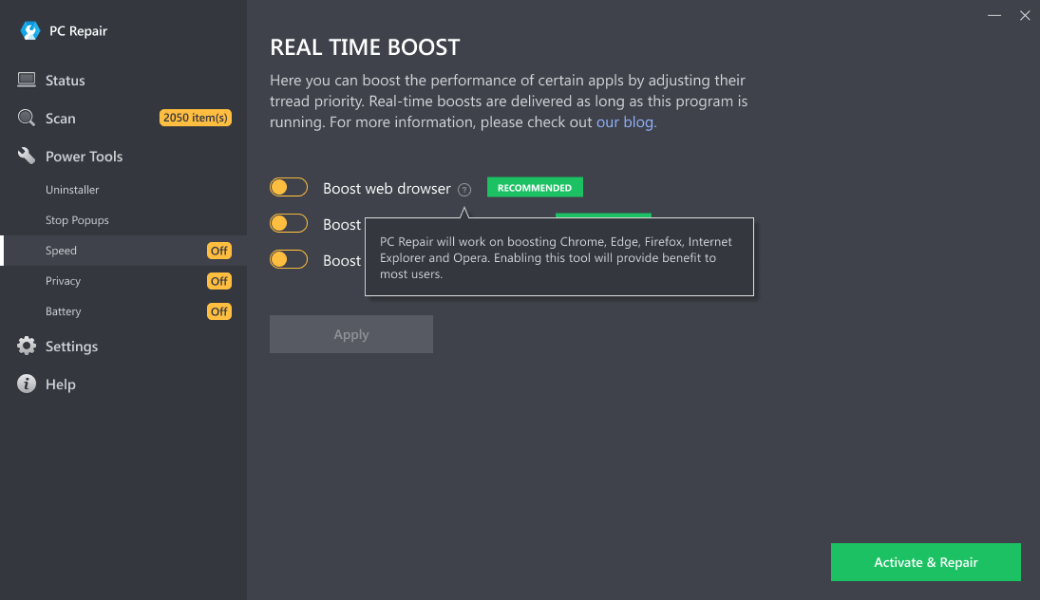
- Step 1. Download Outbyte PC Repair application See more information about Outbyte; uninstall instructions; EULA; Privacy Policy.
- Step 2. Install and launch the application
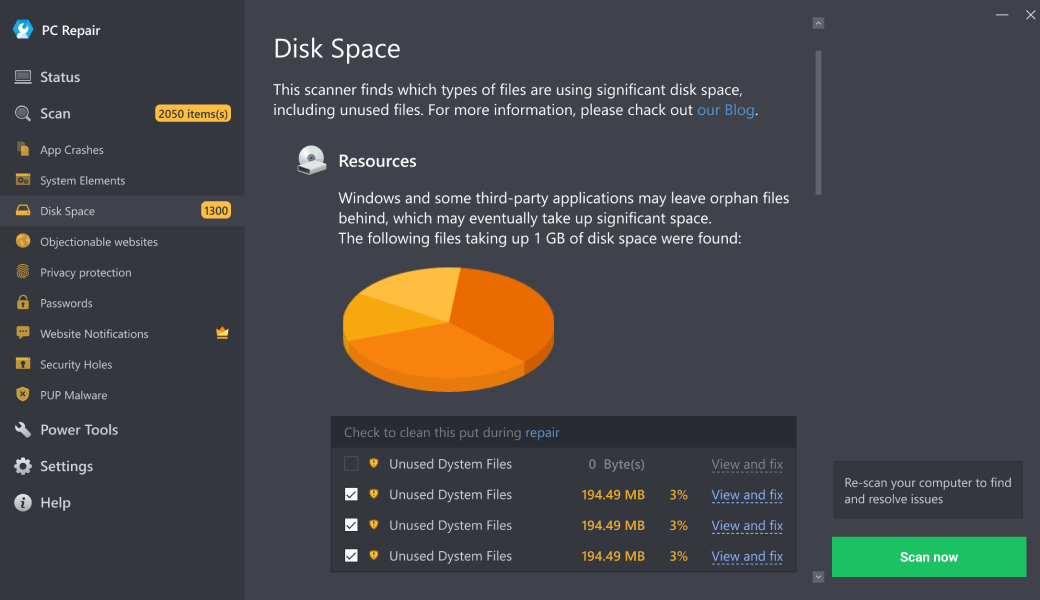
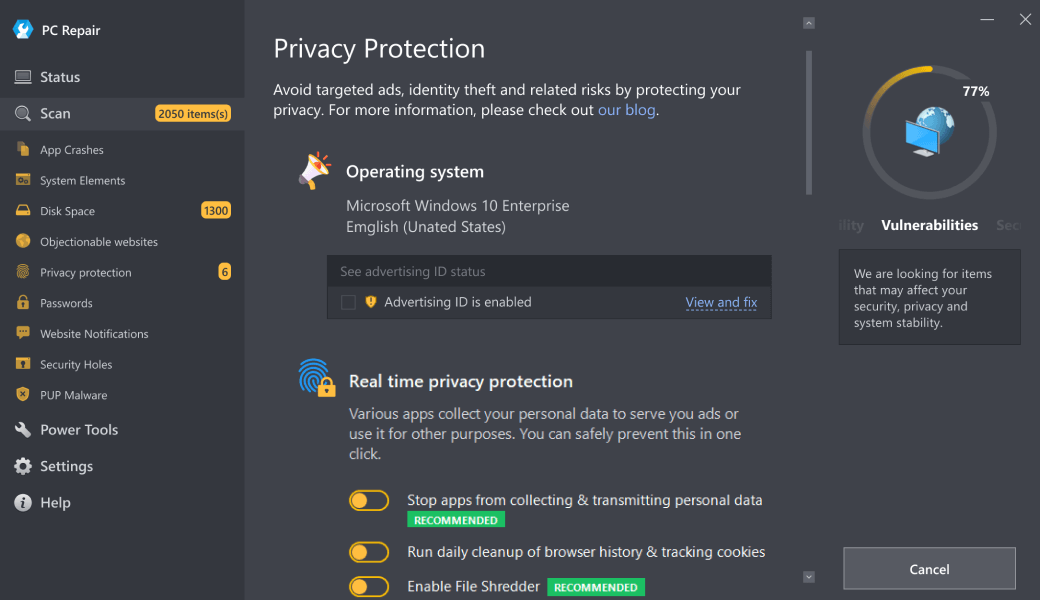
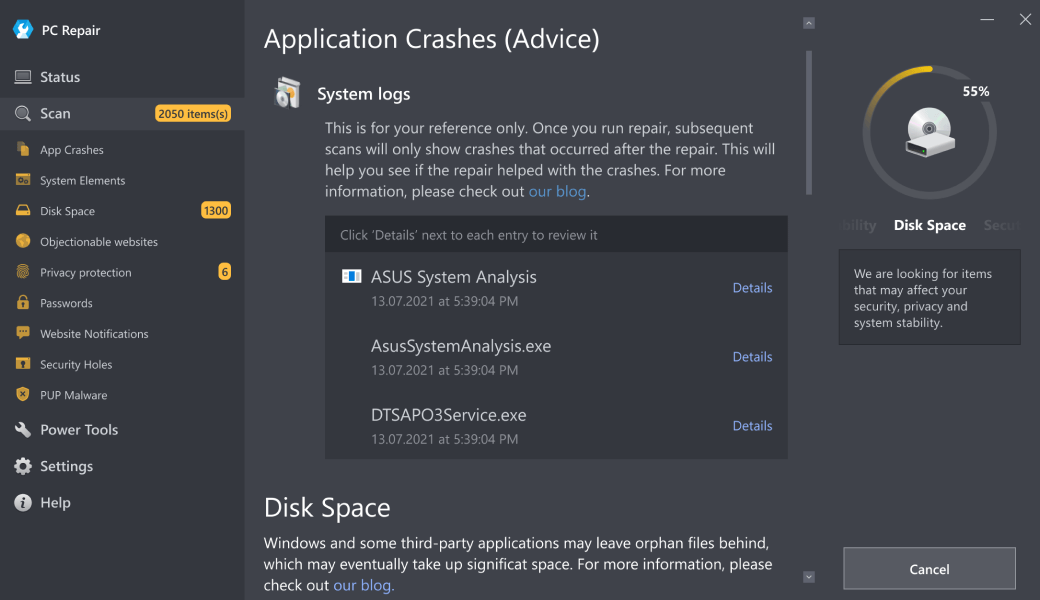
- Step 3. Click the Scan Now button to detect issues and abnormalities
- Step 4. Click the Repair All button to resolve the issues
| Compatibility | Win 11, 10, 8 |
| Download Size | 28 MB |
| Requirements | 300 MHz Processor, 256 MB RAM, 101 MB disk space |
Limitations: The trial version offers unlimited scans, backups, and restores. Full version registration starts at $29.95.

Outbyte PC Repair (version 1.1.12.641) is certified by AppEsteem – a trusted cybersecurity organization – with ongoing monitoring.
Being able to meet all of AppEsteem’s strict requirements means that Outbyte PC Repair can be considered clean, safe, and transparent; and that it is compliant with the ethical and legal norms of distribution.
AppEsteem is one of the world’s most prominent cybersecurity organizations that contributes to the safety of more than 2 billion users. The company was founded by a team of experienced Microsoft cybersecurity specialists. Its mission is to create a safe space for computer and internet users where they are protected against cyber threats and deceptive or unethical practices.