Title: How To Fix Code 43 USB in Windows
Title: How To Fix Code 43 USB in Windows
Introduction:
When you encounter a Code 43 issue for a USB device in Windows, it means that the operating system has detected a problem with the device and has stopped it from functioning. Essentially, Windows recognizes that a USB device—such as a flash drive, external hard drive, webcam, or printer—is connected, but it cannot communicate with it properly due to an unspecified hardware or software issue. This issue is often accompanied by a yellow exclamation mark next to the device in Device Manager, indicating a malfunction.
This issue typically occurs in several common scenarios: after a Windows update, when connecting a new or previously working USB device, due to outdated or corrupted device drivers, or because of temporary system glitches. It can affect all modern versions of Windows, including Windows 10 and Windows 11. When this happens, the affected USB device will not work at all, which can disrupt your workflow if you rely on external storage, peripherals, or other USB-dependent hardware.
While a Code 43 issue can be frustrating, it is usually resolvable with systematic troubleshooting. Similar USB-related issues might appear as other issue codes, such as Code 28 (drivers not installed) or Code 19 (registry issues), but Code 43 specifically points to a general hardware failure recognized by Windows. The good news is that you can often resolve it yourself without needing advanced technical skills. In the following sections, we will guide you through practical steps to diagnose and resolve the problem, helping you restore your USB device to full functionality.
PREPARATION STEPS
Before addressing Issue Code 43 with USB devices, complete these essential preparatory measures to ensure system safety and troubleshooting effectiveness:
1. Create a System Restore Point
- Open Start Menu, type "Create a restore point"
- Select System Protection tab → Configure → Enable system protection
- Click Create and name it "Pre-USB Issue 43 Resolve"
- *Purpose: Allows complete system reversion if modifications cause instability*
2. Back Up Critical Data
- Copy essential files to external drive or cloud storage
- Verify backup integrity before proceeding
- *Purpose: Prevents data loss during troubleshooting procedures*
3. Temporarily Disable Antivirus Protection
- Right-click antivirus system tray icon → Disable protection
- Set time limit (1-2 hours maximum)
- *Purpose: Eliminates potential software conflicts during driver installation*
4. Document Current Driver Configuration
- Open Device Manager → Universal Serial Bus controllers
- Note all installed USB host controllers and hubs
- *Purpose: Provides baseline for comparison after troubleshooting*
STEP-BY-STEP FIXES
Method 1: Basic USB Device Reset
1. Disconnect the problematic USB device
2. Open Device Manager (Win+X → Device Manager)
3. Expand "Universal Serial Bus controllers"
4. Right-click each USB Root Hub → "Uninstall device"
5. Restart computer (Windows will reinstall USB controllers automatically)
6. Reconnect USB device
Method 2: Driver Reinstallation
1. Open Device Manager → Locate device with yellow exclamation mark
2. Right-click problematic device → "Uninstall device"
3. Check "Delete the driver software for this device" if available
4. Restart computer
5. Windows will attempt automatic driver reinstallation
6. If automatic fails, visit manufacturer website for specific drivers
Method 3: Registry Power Management Modification
```
WARNING: Registry editing carries risks. Create backup first.
```
1. Press Win+R → Type `regedit` → Press Enter
2. Navigate to: `HKEY_LOCAL_MACHINE\SYSTEM\CurrentControlSet\Enum\USB`
3. Locate the specific device VID/PID identifiers
4. Find "Device Parameters" subkey → Create/modify DWORD "EnhancedPowerManagementEnabled"
5. Set value to `0` to disable power management
6. Restart computer and test device
ADVANCED SOLUTION OPTION
When manual troubleshooting proves insufficient or multiple USB devices exhibit persistent Issue Code 43, automated repair tools become a practical alternative for comprehensive resolution. Outbyte PC Repair provides systematic diagnosis and repair capabilities specifically designed for complex hardware recognition issues, offering time-efficient identification of conflicting drivers, corrupted registry entries, and power management conflicts that manual methods might overlook. The utility's automated scanning examines system-wide USB controller configurations while its optimization features address underlying performance factors that can contribute to device recognition failures, making it particularly valuable for business environments where rapid, reliable resolution is essential without requiring extensive technical investigation.
Download Outbyte PC Repair for automated issue diagnosis and repair (compatible with Windows 8/10/11).Special offer. See more information about Outbyte; uninstall instructions; EULA; Privacy Policy.
MAIN CAUSES
1. Corrupted or Outdated Device Drivers
The most frequent cause of Issue Code 43 stems from device drivers that are either corrupted, incompatible with your current Windows version, or outdated. Drivers serve as essential communication bridges between hardware devices and the operating system. When these drivers become damaged or obsolete, Windows cannot properly interpret signals from the USB device, resulting in the generic "device descriptor request failed" issue that manifests as Code 43.
2. Hardware Malfunction or Connection Issues
Physical hardware problems can trigger this issue, including faulty USB cables, damaged USB ports, or a malfunctioning device itself. Connection issues such as loose cables, insufficient power supply to the USB port (common with hubs), or physical damage to the device's circuitry prevent proper data transmission, causing Windows to report the device has malfunctioned.
3. USB Port Power Management Conflicts
Windows includes power management features that can automatically disable USB ports to conserve energy. When these features malfunction or conflict with device requirements, the port may not provide adequate power or may enter a low-power state that interrupts device communication. This often occurs with high-power devices like external hard drives that require consistent power delivery.
4. Registry Corruption or System File Damage
Corrupted registry entries related to USB devices or damaged system files can create persistent Issue Code 43 instances. The Windows registry stores configuration data for all hardware devices, and when these entries become corrupted through improper installations, malware, or system crashes, Windows cannot properly initialize the USB device.
5. Incompatible or Faulty USB Controller Drivers
The USB host controller drivers that manage all USB ports on your computer may become corrupted or incompatible after Windows updates. Since these controllers act as intermediaries between your USB devices and system resources, any issues with them will affect all connected USB devices and typically generate Issue Code 43 across multiple devices.
6. BIOS/UEFI Configuration Problems
Incorrect settings in your computer's BIOS or UEFI firmware can cause USB compatibility issues. This includes disabled USB ports, legacy USB support conflicts, or outdated firmware that doesn't properly support newer USB standards. These low-level system settings directly affect how hardware components initialize and communicate with the operating system.
7. Third-Party Software Conflicts
Security software, system optimization utilities, or other background applications can interfere with USB device operations. Antivirus programs may mistakenly block device communication, while system utilities might modify driver configurations or interrupt the device enumeration process that occurs when you connect USB hardware.
CONCLUSION
Issue Code 43 represents one of the more persistent USB-related issues that Windows users encounter, typically indicating a breakdown in communication between connected hardware and the operating system. While often resolvable through systematic troubleshooting, this issue underscores the critical importance of maintaining your computer's overall health through regular system maintenance. A well-maintained system not only reduces the frequency of such issues but also ensures optimal performance for your daily computing requirements.
Implementing consistent PC maintenance practices can significantly enhance system reliability and prevent many common hardware recognition issues. Begin by establishing a routine for updating device drivers, particularly after major Windows updates that can introduce compatibility conflicts. Regularly scan for system file corruption using built-in Windows utilities like System File Checker (SFC) and DISM, which can identify and repair underlying system issues before they manifest as hardware issues. Maintain your registry's integrity by avoiding unnecessary modifications and using trusted cleanup tools cautiously. Schedule periodic disk cleanup and defragmentation (for HDDs) to ensure efficient system operation, and monitor startup programs to prevent software conflicts that can interfere with hardware detection.
For users seeking comprehensive maintenance solutions, tools like Outbyte PC Repair can automate many of these processes, providing systematic driver updates, registry cleaning, and performance optimization through a unified interface. Such utilities can be particularly valuable for users who prefer a consolidated approach to system maintenance rather than managing individual troubleshooting steps manually.
Despite diligent maintenance, some instances of Issue Code 43 may require professional technical assistance, particularly when the issue persists across multiple devices or after exhaustive troubleshooting. If you encounter recurring hardware recognition problems despite system maintenance, or if the issue coincides with other system instability symptoms, consulting a qualified technician becomes advisable. They can perform advanced diagnostics to identify underlying hardware failures or complex software conflicts that may not be apparent through standard troubleshooting methods.
Ultimately, recognizing that system reliability forms the foundation of productive computing should inform your approach to PC maintenance. Regular care not only resolves immediate issues like Issue Code 43 but also contributes to long-term system stability, ensuring that your computer remains a reliable tool rather than a source of frustration. By adopting proactive maintenance habits and knowing when to seek professional support, you can maintain optimal system performance and minimize disruptions to your workflow.
| Trial limitation: | Category-based repair access for at least 2 days |
| Price (full version): | From $29.95 |

The following steps should resolve the code-43-USB issue:
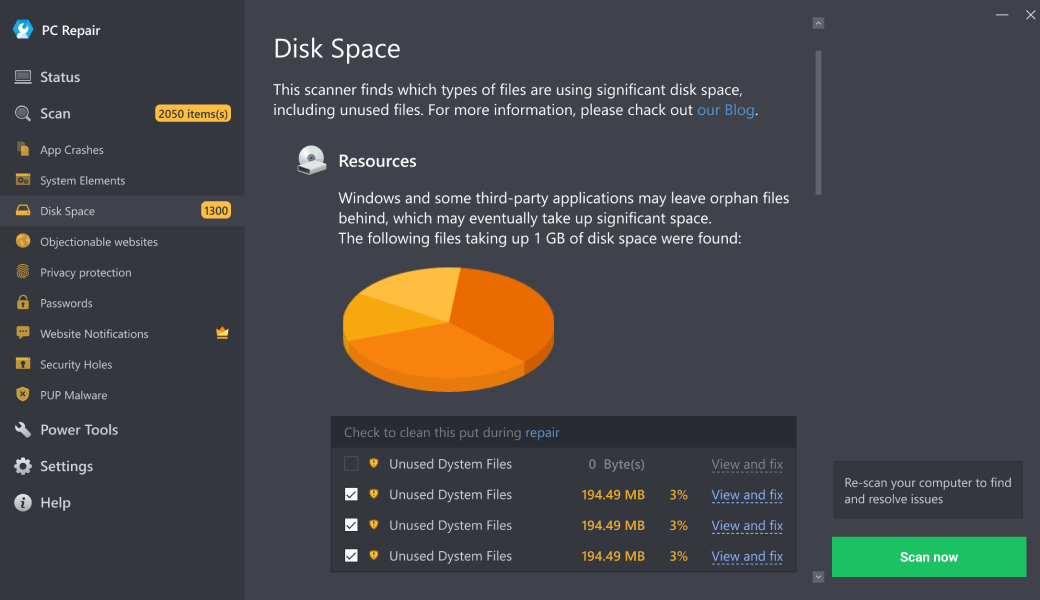
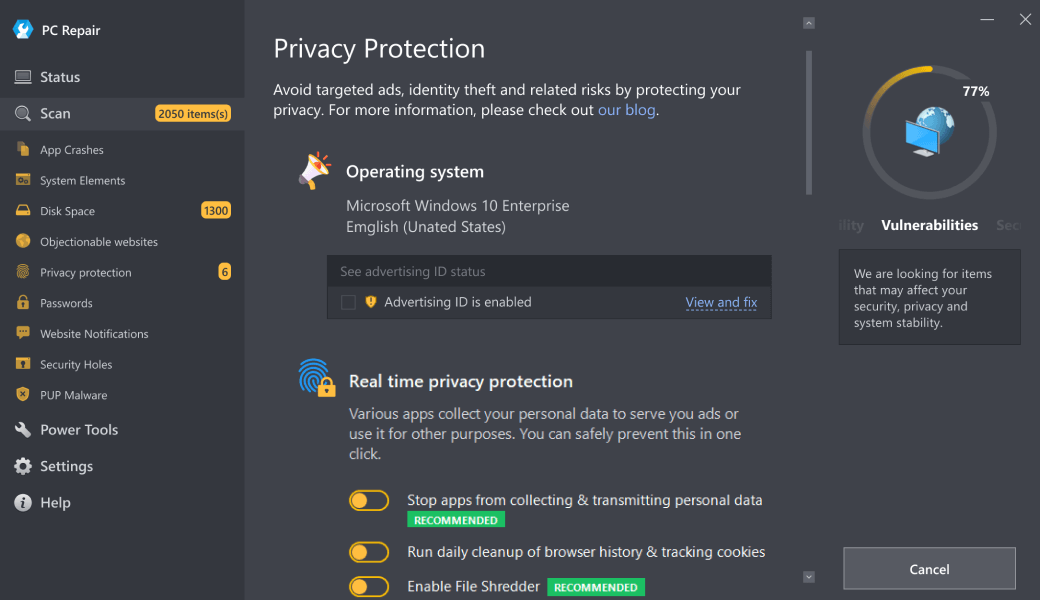
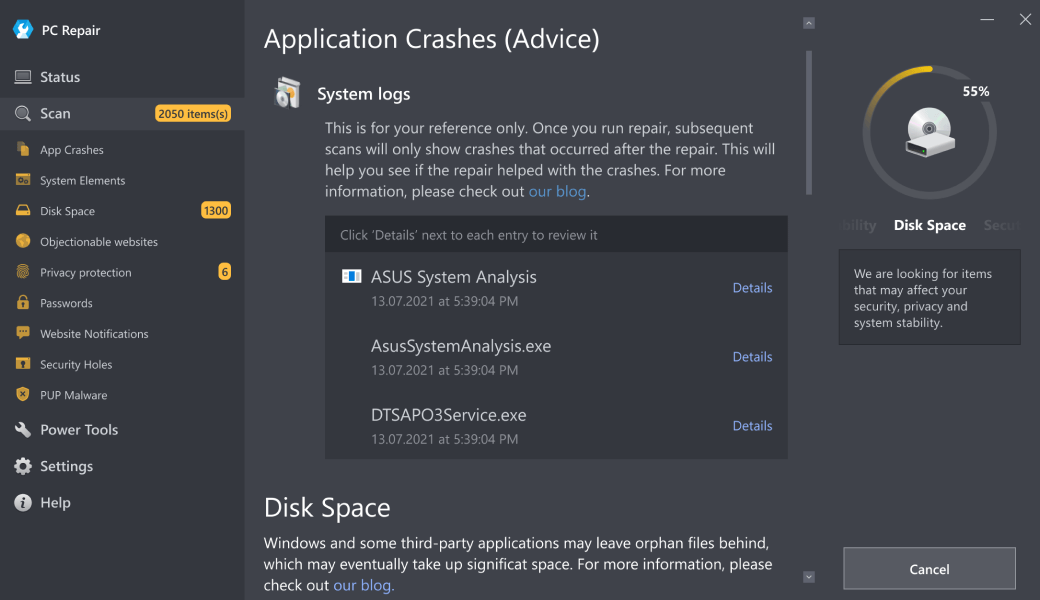
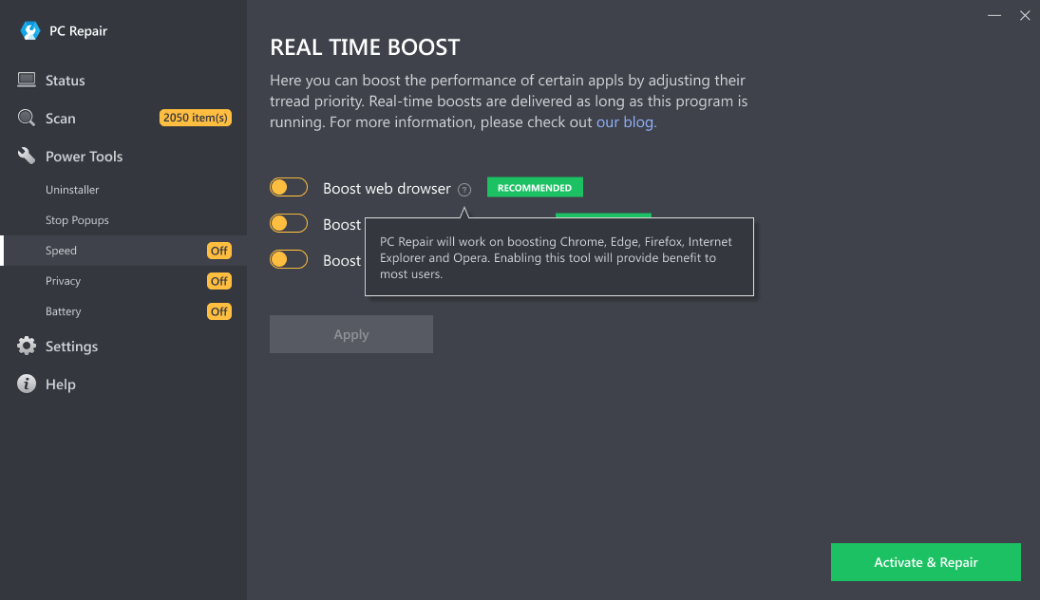
- Step 1. Download Outbyte PC Repair application See more information about Outbyte; uninstall instructions; EULA; Privacy Policy.
- Step 2. Install and launch the application
- Step 3. Click the Scan Now button to detect issues and abnormalities
- Step 4. Click the Repair All button to resolve the issues
| Compatibility | Win 11, 10, 8 |
| Download Size | 28 MB |
| Requirements | 300 MHz Processor, 256 MB RAM, 101 MB disk space |
Limitations: The trial version offers unlimited scans, backups, and restores. Full version registration starts at $29.95.

Outbyte PC Repair (version 1.1.12.641) is certified by AppEsteem – a trusted cybersecurity organization – with ongoing monitoring.
Being able to meet all of AppEsteem’s strict requirements means that Outbyte PC Repair can be considered clean, safe, and transparent; and that it is compliant with the ethical and legal norms of distribution.
AppEsteem is one of the world’s most prominent cybersecurity organizations that contributes to the safety of more than 2 billion users. The company was founded by a team of experienced Microsoft cybersecurity specialists. Its mission is to create a safe space for computer and internet users where they are protected against cyber threats and deceptive or unethical practices.