How To Fix audio is not working in windows 10 in Windows
How To Fix audio is not working in windows 10 in Windows
When your computer's audio stops working in Windows 10, it means that no sound is being produced through your speakers or headphones, even when you try to play music, videos, or system sounds. This issue can manifest in several ways: you might see a red "X" over the speaker icon in your taskbar, hear complete silence, or experience intermittent audio that cuts in and out. This problem commonly occurs after a Windows update, when connecting new audio devices like headphones or external speakers, or due to incorrect audio settings. While this guide focuses on Windows 10, similar audio issues can affect Windows 11 and earlier versions like Windows 8.1.
The impact of having no audio is significant, as it prevents you from enjoying media, participating in video calls, hearing system notifications, and using any application that relies on sound. This can disrupt both work and entertainment activities. Fortunately, this is typically a software-related issue rather than permanent hardware failure, and it is almost always resolvable through systematic troubleshooting. Common underlying causes include outdated or corrupted audio drivers, the wrong playback device being selected, disabled audio services, or simple volume muting. By following clear, step-by-step solutions—from basic checks like ensuring your speakers are unmuted to more advanced steps like updating drivers—you can systematically restore your computer's audio functionality and return to normal use.
PREPARATION STEPS
Before troubleshooting audio issues, complete these preparatory measures to ensure system safety and eliminate common interference factors.
1. Create a System Restore Point
- Press Windows + S, type "Create a restore point," and select the result.
- In System Properties, click Create, name it "Pre-Audio Resolve," and confirm.
- *Purpose:* Allows safe restoration of system state if changes cause instability.
2. Back Up Critical Data
- Copy important files to an external drive or cloud storage.
- Verify backups are accessible.
- *Purpose:* Prevents data loss during unexpected system changes.
3. Temporarily Disable Antivirus/Firewall
- Right-click the antivirus icon in the system tray and choose "Disable for 10 minutes" or similar.
- *Purpose:* Rules out security software blocking audio drivers or services.
4. Check Physical Connections
- Ensure speakers/headphones are properly connected, powered on, and set as the default playback device in Sound Settings.
- *Purpose:* Eliminates simple hardware or configuration oversights.
STEP-BY-STEP FIXES
Solution 1: Run Audio Troubleshooter
1. Press Windows + I to open Settings.
2. Navigate to Update & Security > Troubleshoot.
3. Select Additional troubleshooters.
4. Choose Playing Audio and click Run the troubleshooter.
5. Follow on-screen prompts to apply recommended resolves.
Solution 2: Update Audio Drivers
1. Right-click the Start button and select Device Manager.
2. Expand Sound, video and game controllers.
3. Right-click your audio device and choose Update driver.
4. Select Search automatically for updated driver software.
5. If updated, restart your PC; if not, proceed to Solution 3.
Solution 3: Restart Windows Audio Services
1. Press Windows + R, type:
```services.msc```and press Enter.
2. Locate Windows Audio and Windows Audio Endpoint Builder.
3. Right-click each service, select Restart if running, or Start if stopped.
4. Double-click each service, set Startup type to Automatic.
5. Confirm changes and restart the computer.
ADVANCED SOLUTION OPTION
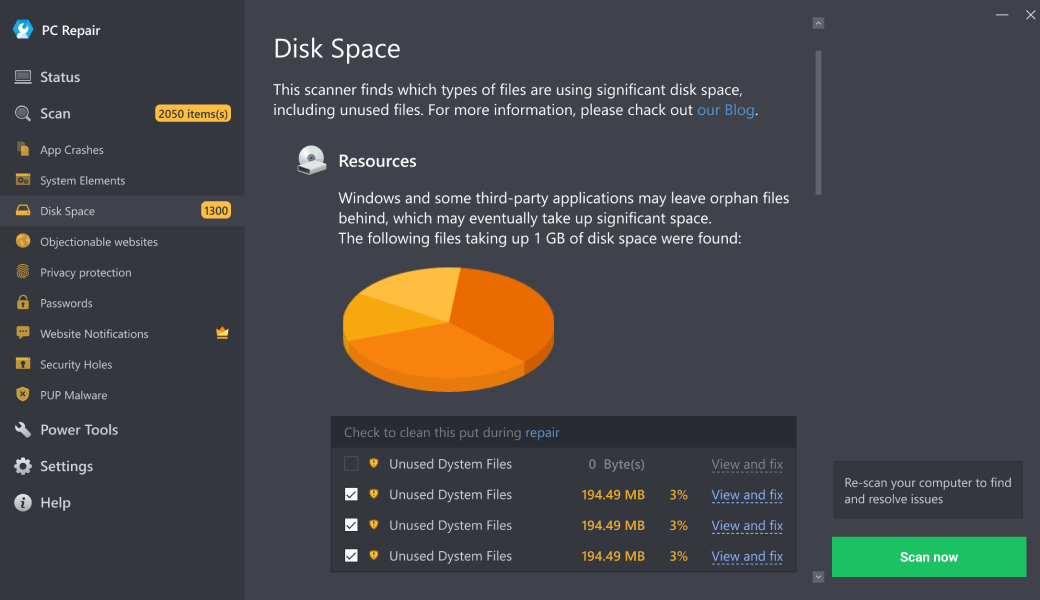
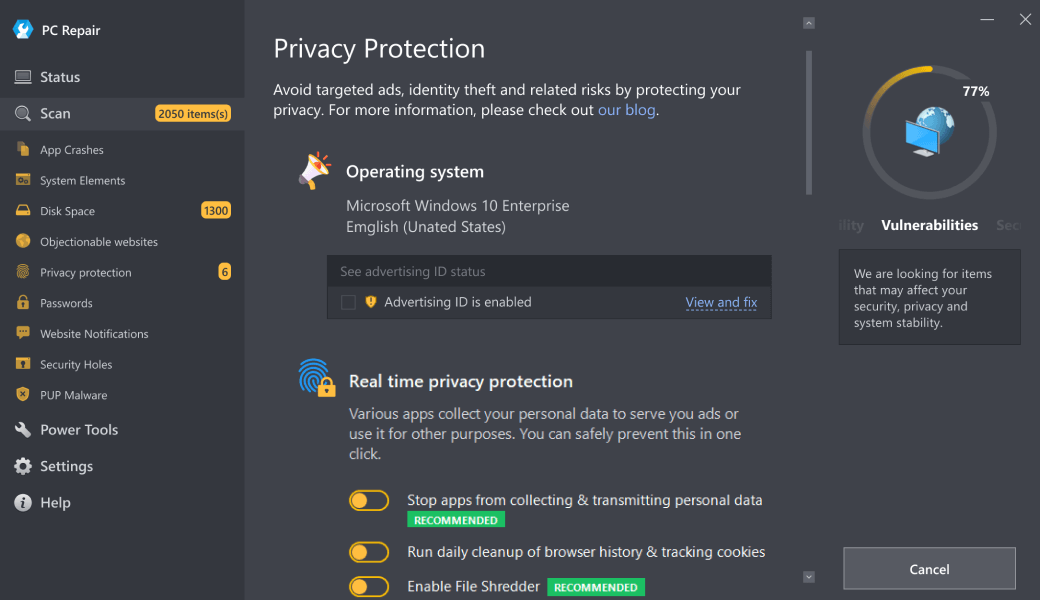
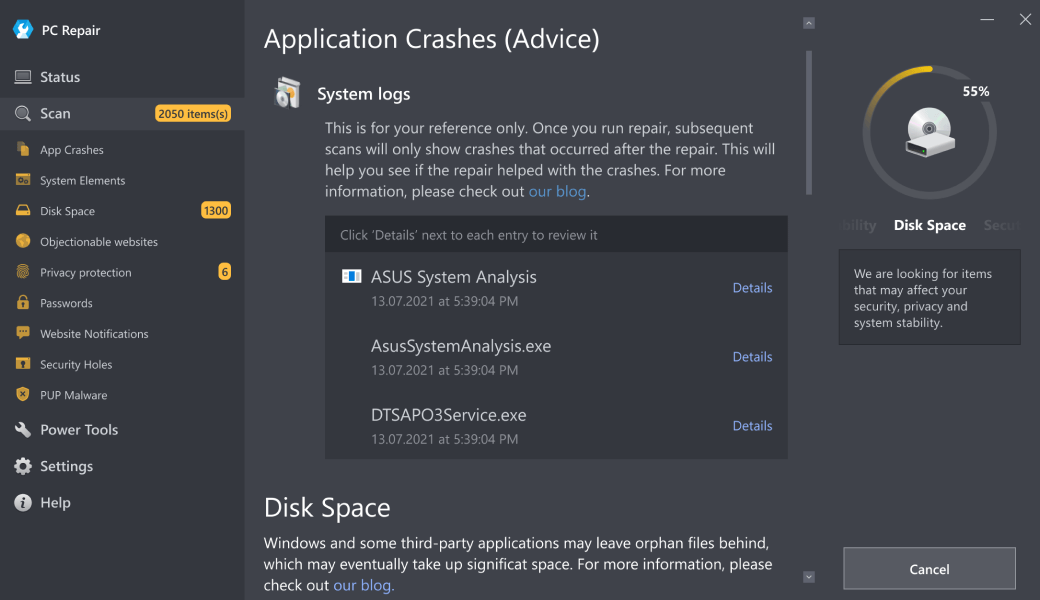
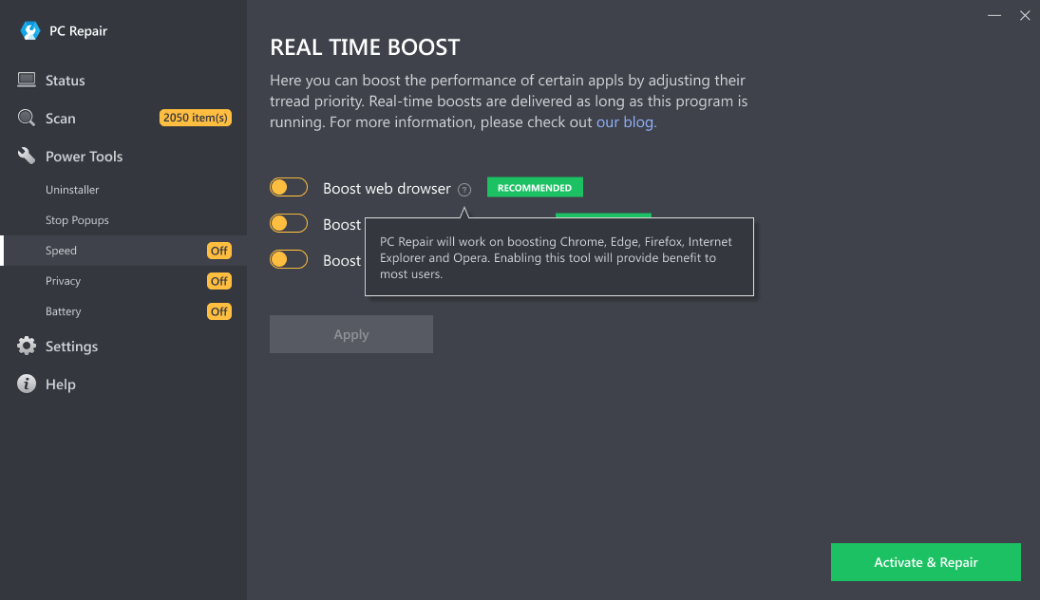
For persistent or complex audio issues—such as driver conflicts, registry issues, or cumulative system file corruption—automated repair tools provide a time-efficient alternative to manual troubleshooting. Outbyte PC Repair is a professional-grade utility designed to diagnose and resolve system-level problems comprehensively. It addresses driver inconsistencies, repairs system file issues, optimizes performance settings, and enhances overall system health through automated scanning and repair protocols. This approach is particularly valuable when manual methods are exhausted or when maintaining system stability is a priority, offering a consolidated solution for ongoing system maintenance without requiring advanced technical expertise.
Download Outbyte PC Repair for automated issue diagnosis and repair (compatible with Windows 8/10/11).Special offer. See more information about Outbyte; uninstall instructions; EULA; Privacy Policy.
MAIN CAUSES
1. Audio Driver Issues
Outdated, corrupted, or incompatible audio drivers are among the most common causes of audio failure in Windows 10. Drivers serve as the communication bridge between your operating system and audio hardware. When these become outdated due to Windows updates or system changes, or become corrupted through improper installation or malware, the audio subsystem fails to initialize properly. You may see issue codes in Device Manager or notice the audio device disappearing entirely from the system recognition.
2. Incorrect Audio Output Selection
Windows 10 sometimes automatically switches audio output to newly connected devices or virtual audio endpoints. If your system defaults to a disconnected HDMI output, Bluetooth device that's no longer paired, or virtual audio cable that isn't active, audio will appear non-functional despite the hardware being operational. This occurs because applications route audio to the designated default endpoint regardless of its current availability.
3. Audio Services Malfunction
The Windows Audio service and related components (Audio Endpoint Builder) manage all audio operations. If these services become disabled, crash, or fail to start properly, the entire audio infrastructure becomes unavailable. This can happen after system updates, power outages, or software conflicts that disrupt service initialization sequences. The services may show as "stopped" in Services Manager even when set to automatic startup.
4. Hardware Connection Problems
Physical connectivity issues can prevent audio functionality even when software components are working correctly. Loose cable connections, damaged audio jacks, faulty USB ports for external audio devices, or internal motherboard connections for front panel audio can interrupt the signal path. Additionally, BIOS/UEFI settings may disable onboard audio controllers, or the hardware itself may have failed due to power surges or physical damage.
5. Application-Specific Audio Settings
Individual applications sometimes override system-wide audio settings or encounter their own audio subsystem issues. Applications like web browsers, media players, or communication software may be configured to use non-default audio devices, have volume muted within the application interface, or experience codec conflicts that prevent audio playback despite system audio working normally elsewhere.
6. Windows Audio Enhancements Conflicts
Audio enhancements designed to improve sound quality can sometimes conflict with specific hardware configurations or driver versions. Features like spatial sound, loudness equalization, or vendor-specific audio processing can cause driver instability or complete audio failure, particularly when combined with certain third-party audio software or older hardware components.
7. System File Corruption
Critical Windows system files related to audio processing may become corrupted due to incomplete updates, disk issues, or malware activity. Files within the Windows Audio stack, DirectX components, or core system libraries can develop corruption that prevents proper audio initialization. The System File Checker utility may detect these issues, but they often require specific troubleshooting to resolve completely.
CONCLUSION
Maintaining reliable audio functionality in Windows 10 requires consistent system maintenance and proactive troubleshooting approaches. Audio issues often serve as early indicators of broader system health concerns, making regular maintenance essential for both audio performance and overall computing reliability. When addressing audio problems, begin with fundamental checks: verify physical connections and cable integrity, ensure volume isn't muted across system and application levels, and confirm the correct playback device is selected as default. These basic verifications resolve many common audio issues without requiring advanced technical intervention.
For ongoing system health, establish a routine maintenance schedule that includes several key practices. Regularly update your audio drivers through Device Manager or manufacturer websites, as driver conflicts represent a frequent source of audio instability. Implement a consistent backup strategy for important data, ensuring you can recover quickly from any system instability that might affect peripheral functionality. Perform monthly disk cleanup operations to remove temporary files that can accumulate and interfere with system processes. Run the built-in Windows Audio Troubleshooter periodically, as it can automatically detect and resolve common configuration issues before they impact your computing experience.
Consider incorporating specialized maintenance tools like Outbyte PC Repair into your system care routine. Such utilities can help identify registry issues, remove obsolete files, and optimize system settings that contribute to audio and overall performance stability. However, always exercise caution with third-party software by verifying publisher credibility and understanding exactly what changes the software will implement on your system.
Recognize when professional assistance becomes necessary. If you've exhausted basic troubleshooting steps—including driver updates, service restarts, and hardware diagnostics—without resolution, or if audio issues coincide with other system instability symptoms, consult qualified technical support. Complex driver conflicts, hardware component failures, or deep-seated system corruption often require expert intervention to resolve effectively.
Remember that reliable audio functionality is not merely a convenience but a fundamental aspect of productive computing. Whether for professional communications, entertainment, or accessibility features, maintaining robust audio performance contributes significantly to your overall computing experience. By adopting proactive maintenance habits and addressing issues promptly when they arise, you ensure that audio problems remain minor inconveniences rather than major disruptions to your daily computer use.
| Trial limitation: | Category-based repair access for at least 2 days |
| Price (full version): | From $29.95 |

The following steps should resolve the audio-is-not-working-in-windows-10 issue:
- Step 1. Download Outbyte PC Repair application See more information about Outbyte; uninstall instructions; EULA; Privacy Policy.
- Step 2. Install and launch the application
- Step 3. Click the Scan Now button to detect issues and abnormalities
- Step 4. Click the Repair All button to resolve the issues
| Compatibility | Win 11, 10, 8 |
| Download Size | 28 MB |
| Requirements | 300 MHz Processor, 256 MB RAM, 101 MB disk space |
Limitations: The trial version offers unlimited scans, backups, and restores. Full version registration starts at $29.95.

Outbyte PC Repair (version 1.1.12.641) is certified by AppEsteem – a trusted cybersecurity organization – with ongoing monitoring.
Being able to meet all of AppEsteem’s strict requirements means that Outbyte PC Repair can be considered clean, safe, and transparent; and that it is compliant with the ethical and legal norms of distribution.
AppEsteem is one of the world’s most prominent cybersecurity organizations that contributes to the safety of more than 2 billion users. The company was founded by a team of experienced Microsoft cybersecurity specialists. Its mission is to create a safe space for computer and internet users where they are protected against cyber threats and deceptive or unethical practices.