How To Fix Adobe Photoshop Scratch Disk Full in Windows
How To Fix Adobe Photoshop Scratch Disk Full in Windows
When working in Adobe Photoshop, encountering the "scratch disk full" issue can be a frustrating interruption to your creative workflow. This message appears when the hard drive space that Photoshop reserves as temporary working memory—called the scratch disk—has been completely filled. Think of the scratch disk as Photoshop's personal notepad; it uses this space to handle complex tasks, process large files, and manage multiple undo history states when your computer's RAM is insufficient. When this notepad runs out of pages, Photoshop can no longer perform its operations, resulting in this issue.
This issue commonly occurs when you are working with very high-resolution images, multi-layered documents, or when performing memory-intensive actions like applying complex filters. It can also happen if your primary drive is nearly full with other files and applications. This issue affects users across all modern versions of Windows, including Windows 10 and Windows 11. The immediate impact is that you may be unable to open files, save your work, or use certain Photoshop tools, potentially halting your project entirely. While concerning, this is a common and manageable problem. It does not mean your files are corrupted or that there is a fatal issue with the software itself. By following a few straightforward steps to free up space or reconfigure Photoshop's settings, you can quickly resolve this issue and return to your work with minimal disruption.
PREPARATION STEPS
Before addressing the "Scratch Disk Full" issue in Adobe Photoshop, please complete these preparatory measures to ensure system safety and data integrity.
1. Create a System Restore Point
- Open the Start Menu, type "Create a restore point," and select the result.
- In the System Properties window, click "Create," provide a descriptive name (e.g., "Pre-Photoshop Scratch Disk Resolve"), and confirm.
- Purpose: This allows you to revert system settings in case unintended changes occur during troubleshooting.
2. Back Up Important Data
- Copy critical Photoshop files (.PSD, .AI), project folders, and personal documents to an external drive or cloud storage.
- Purpose: Safeguards your work against accidental data loss or corruption during system modifications.
3. Temporarily Disable Antivirus Software
- Right-click the antivirus icon in the system tray and select "Disable" or "Turn Off" (options vary by software; typically set for 15–30 minutes).
- Purpose: Prevents interference with file cleanup or system adjustments, as some security tools may block necessary operations.
4. Ensure Adequate Free Space on System Drive
- Open File Explorer, right-click the C: drive, and select "Properties" to check available space. Aim for at least 15–20% free space.
- Purpose: Confirms sufficient room for scratch disk operations and temporary file management.
STEP-BY-STEP FIXES
Follow these manual solutions to resolve the "Scratch Disk Full" issue. Execute them in sequence for optimal results.
Method 1: Clear Photoshop Scratch Disk Preferences
1. Close Adobe Photoshop completely.
2. Press `Win + R`, type the following path, and press Enter:
   ```
   %AppData%\Adobe\Adobe Photoshop [Version]\Adobe Photoshop [Version] Settings
   ```
*Replace [Version] with your Photoshop version number (e.g., 2023).*
3. Locate and delete the file named "PSUserConfig.txt" or "Preferences.psp".
4. Restart Photoshop to regenerate default preferences.
Method 2: Change Scratch Disk Assignment
1. Open Photoshop and go to Edit > Preferences > Scratch Disks (Windows).
2. Uncheck the primary disk (usually C:) if it is low on space.
3. Select a different drive with ample free space (e.g., D: or E:) and ensure it is checked.
4. Click "OK" and restart Photoshop for changes to take effect.
Method 3: Manually Clean Temporary and Cache Files
1. Close Photoshop and all Adobe applications.
2. Press `Win + R`, type `%temp%`, and press Enter to open the Temp folder.
3. Select all files (`Ctrl + A`) and delete them (skip any files in use).
4. Empty the Recycle Bin to permanently remove deleted files.
5. Warning: Do not delete non-Adobe files unless certain they are temporary.
ADVANCED SOLUTION OPTION
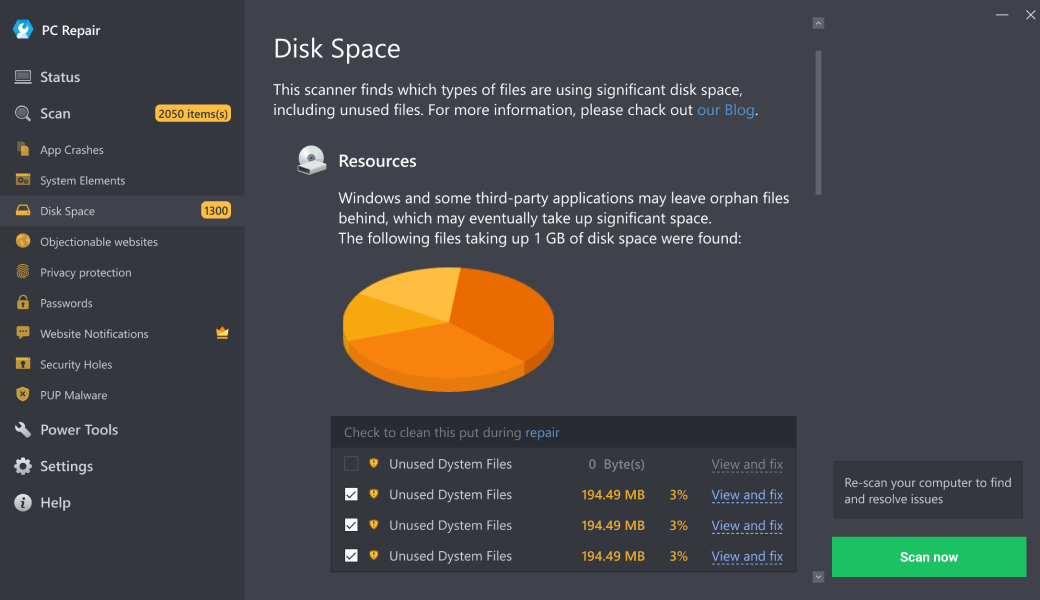
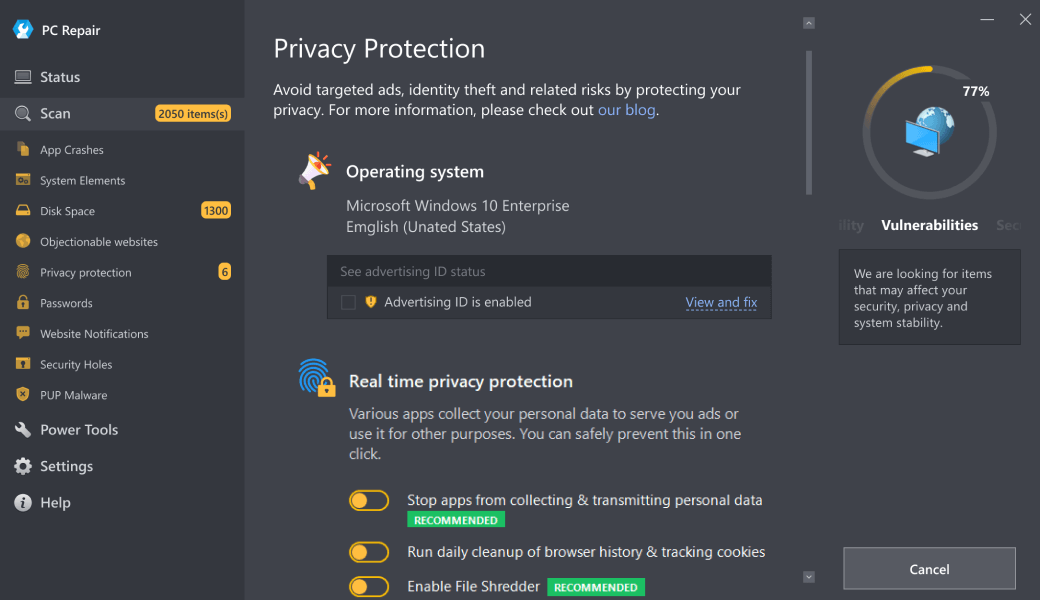
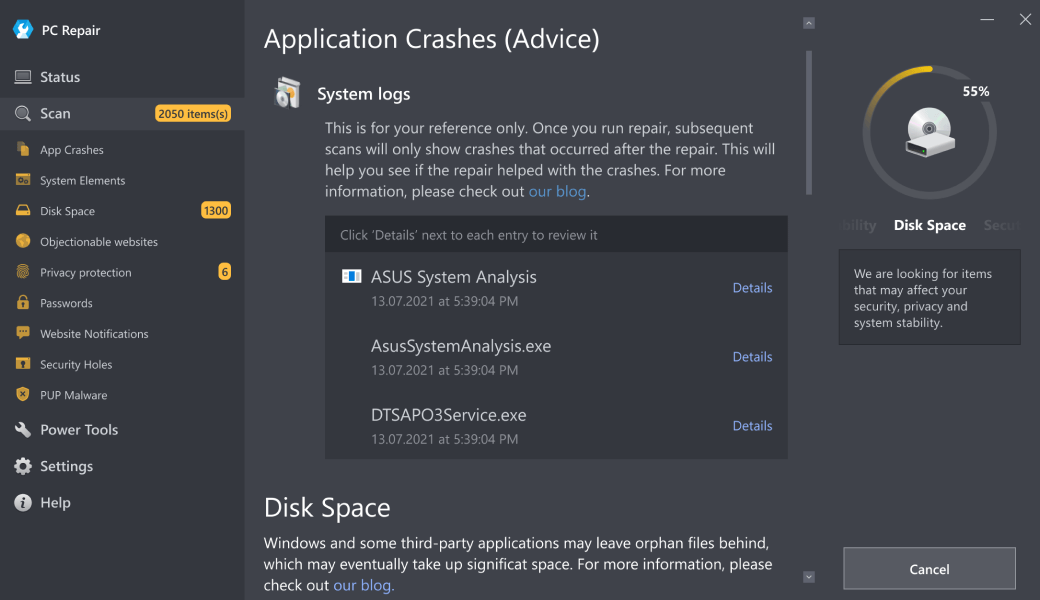
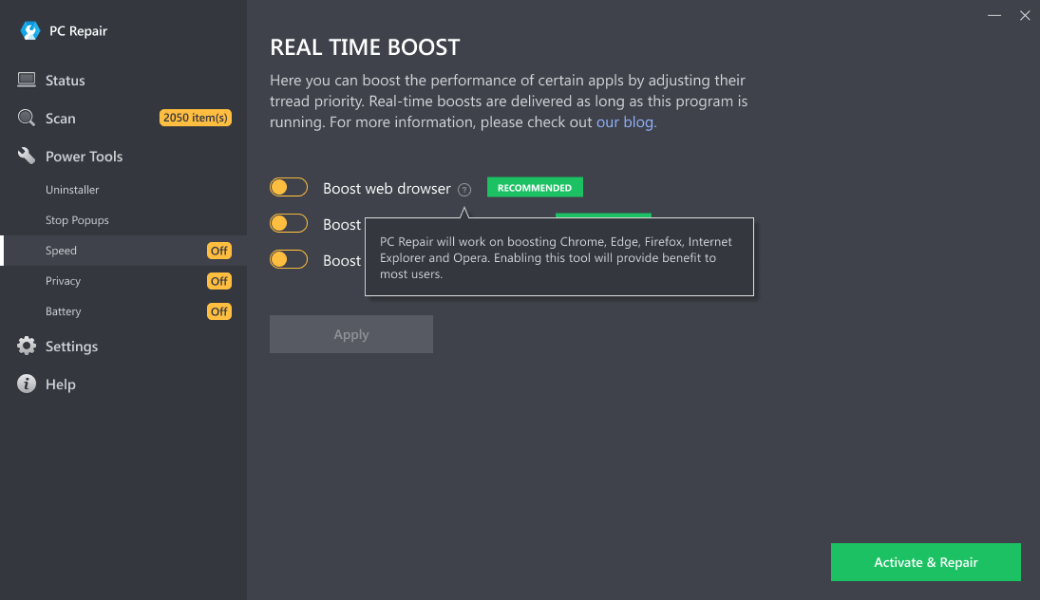
For users encountering persistent or complex system-related issues—such as recurring scratch disk issues despite manual resolves—an automated repair tool can provide a time-efficient and comprehensive resolution. Outbyte PC Repair is a professional utility designed to address underlying system problems, including registry issues, disk fragmentation, and accumulated junk files that may contribute to performance bottlenecks. It performs systematic scans to identify and resolve conflicts, optimizes system settings for improved stability, and helps maintain overall system health without requiring advanced technical knowledge. This approach is particularly valuable when manual methods prove insufficient or when seeking a consolidated maintenance solution to prevent future occurrences.
Download Outbyte PC Repair for automated issue diagnosis and repair (compatible with Windows 8/10/11).Special offer. See more information about Outbyte; uninstall instructions; EULA; Privacy Policy.
Of course. Here is a detailed breakdown of the causes and a professional conclusion for the "Adobe Photoshop Scratch Disk Full" issue.
MAIN CAUSES
The "Scratch Disk" in Adobe Photoshop is a dedicated space on your hard drive or SSD that the application uses as virtual memory to supplement your computer's physical RAM (Random Access Memory). When you work on complex projects with large files, many layers, or memory-intensive filters, Photoshop uses the scratch disk to temporarily store data and calculations that don't fit in RAM. The issue occurs when this allocated space is exhausted. Here are the primary causes:
1. Insufficient Free Space on the Designated Scratch Disk: This is the most direct cause. Photoshop requires a significant amount of free space on the drive you have designated as the primary scratch disk (often your C: drive by default). If the drive's free space falls below the required threshold for your current project's operations, the issue will trigger. This can happen gradually as you install more software, accumulate large files, or work on progressively larger Photoshop documents.
2. Overwhelming Project Complexity and Size: Working with very high-resolution images (e.g., from modern digital cameras), a large number of layers, Smart Objects, or applying memory-intensive filters (like Blur Gallery or Neural Filters) dramatically increases the amount of temporary data Photoshop needs to store. A project that was manageable can suddenly exceed the available scratch space as you add more elements.
3. Suboptimal Scratch Disk Configuration: By default, Photoshop typically uses the startup drive (C:) as the primary scratch disk. This is often the same drive where your operating system, applications, and other files reside, making it prone to fragmentation and competition for disk I/O (Input/Output). If this drive is nearly full or slow, it becomes a performance bottleneck and a common point of failure for scratch disk operations.
4. System RAM (Physical Memory) Limitations: The scratch disk's role is to compensate for a lack of available RAM. If your system has an insufficient amount of RAM for your typical workflow, Photoshop is forced to rely much more heavily on the scratch disk. This increased dependency fills the available scratch space much faster and can lead to significant performance degradation even before the issue appears.
5. Disk Fragmentation (HDDs) or Drive Health Issues: On traditional Hard Disk Drives (HDDs), file fragmentation can slow down read/write speeds to the scratch disk, causing Photoshop to operate inefficiently and potentially time out, misinterpretin g the slowdown as a lack of space. Furthermore, a failing drive (HDD or SSD) with bad sectors can corrupt data and prevent Photoshop from correctly writing to or reading from the scratch disk area.
6. Outdated Photoshop Version or Corrupted Preferences: Occasionally, bugs in an older version of Photoshop can lead to improper memory management and scratch disk handling. Corrupted preference files can also cause the application to miscalculate available resources or retain incorrect settings, leading to this issue even when there appears to be adequate disk space.
CONCLUSION
The "Scratch Disk Full" issue is a clear signal from Photoshop that your system's resources are being stretched beyond their current capacity. While it is an immediate workflow blocker, it should be viewed as an opportunity to assess and optimize your entire computing environment for stability and performance. Relying on reactive resolves, like simply clearing space when the issue occurs, is not a sustainable long-term strategy for a professional or frequent user.
Proactive system maintenance is the cornerstone of preventing such issues and ensuring that your hardware can meet the demands of resource-intensive applications like Adobe Photoshop. We recommend integrating the following practices into your regular computing routine:
- Conduct Regular Disk Cleanups: Use builtin tools like Windows' "Disk Cleanup" to remove temporary files, system cache, and unnecessary data that accumulates over time. This should be performed monthly.
- Manage Startup Programs: Disable nonessential applications from launching at startup through the Task Manager. This frees up RAM and CPU cycles from the moment you boot your system.
- Run Disk Issue Checks: Periodically use the `chkdsk` utility in Windows to scan your drives for file system issues and bad sectors, which can impact performance and data integrity.
- Defragment HDDs (if applicable): If you use a traditional hard drive for your scratch disk, schedule regular defragmentation. Note that this is unnecessary and harmful for SSDs.
- Keep Software Updated: Ensure your operating system, drivers (especially graphics card drivers), and Adobe Photoshop are updated to the latest stable versions to benefit from performance improvements and bug resolves.
- Monitor System Health: Use Task Manager or Resource Monitor to periodically check your RAM and disk usage while working. This helps you understand your typical resource consumption and identify potential issues early.
For users seeking a more automated and comprehensive approach to system maintenance, a dedicated PC optimization tool like Outbyte PC Repair can be a valuable option. Such utilities can streamline many of these tasks by automatically clearing junk files, resolving registry issues, and managing redundant system processes, thereby helping to maintain the free space and system efficiency that applications like Photoshop depend on.
Ultimately, if you consistently encounter this issue after implementing these maintenance steps, it may indicate that a hardware upgrade is the most effective solution. Adding more RAM or upgrading your primary hard drive to a larger, faster SSD are investments that will provide a tangible and lasting improvement to your workflow. A reliable and well-maintained system is not a luxury but a necessity for uninterrupted creativity and productivity.
| Trial limitation: | Category-based repair access for at least 2 days |
| Price (full version): | From $29.95 |

The following steps should resolve the adobe-photoshop-scratch-disk-full issue:
- Step 1. Download Outbyte PC Repair application See more information about Outbyte; uninstall instructions; EULA; Privacy Policy.
- Step 2. Install and launch the application
- Step 3. Click the Scan Now button to detect issues and abnormalities
- Step 4. Click the Repair All button to resolve the issues
| Compatibility | Win 11, 10, 8 |
| Download Size | 28 MB |
| Requirements | 300 MHz Processor, 256 MB RAM, 101 MB disk space |
Limitations: The trial version offers unlimited scans, backups, and restores. Full version registration starts at $29.95.

Outbyte PC Repair (version 1.1.12.641) is certified by AppEsteem – a trusted cybersecurity organization – with ongoing monitoring.
Being able to meet all of AppEsteem’s strict requirements means that Outbyte PC Repair can be considered clean, safe, and transparent; and that it is compliant with the ethical and legal norms of distribution.
AppEsteem is one of the world’s most prominent cybersecurity organizations that contributes to the safety of more than 2 billion users. The company was founded by a team of experienced Microsoft cybersecurity specialists. Its mission is to create a safe space for computer and internet users where they are protected against cyber threats and deceptive or unethical practices.