How To Fix Administrator Access Denied in Windows
How To Fix Administrator Access Denied in Windows
Introduction
Encountering an "administrator access denied" issue in Windows can be a frustrating experience, as it prevents you from performing essential tasks on your computer. This message essentially means that the system has blocked an action because your user account does not have the necessary permissions to proceed. Even if you are the primary user of the computer, you might not be logged into an account with full administrative rights, or a security setting may be restricting the action.
This issue typically appears when you try to install new software, modify system files, change critical settings in the Control Panel, or access certain folders. It is a common security feature across all modern versions of Windows, including Windows 10 and 11, designed to protect your system from unintended changes that could cause instability or security vulnerabilities. While this safeguard is important, it can hinder your ability to manage your own device effectively. The impact is that you are temporarily locked out from making the specific change you intended, but your general computer use for browsing, creating documents, and using most applications remains unaffected.
The good news is that this is a standard Windows security prompt and is almost always resolvable. You can regain access by enabling the built-in Administrator account, adjusting your user account permissions, or using simple command-line tools. This guide will walk you through several reliable methods to restore your administrative control and get your computer working the way you need it to.
PREPARATION STEPS
Before attempting to resolve administrator access issues, please complete these essential preparatory measures to ensure system safety and data integrity.
1. Create a System Restore Point
- Press `Win + R`, type `sysdm.cpl`, and press Enter.
- In the System Properties window, select the "System Protection" tab.
- Click "Create," enter a descriptive name (e.g., "Pre-AccessResolve"), and confirm.
- Purpose: Allows you to revert system changes safely if modifications cause instability.
2. Back Up Critical Data
- Copy important files, documents, and folders to an external drive or cloud storage.
- Use File History (search "Backup settings" in Start) or manually transfer data.
- Purpose: Protects against accidental data loss during troubleshooting.
3. Temporarily Disable Antivirus/Real-Time Protection
- Open Windows Security via the system tray or Start menu.
- Navigate to "Virus & threat protection" > "Manage settings."
- Temporarily turn off "Real-time protection."
- Purpose: Prevents security software from blocking necessary administrative changes.
4. Ensure Physical/Credential Access
- Verify you have access to another administrator account or recovery options.
- If using a domain, ensure network connectivity and domain controller accessibility.
- Purpose: Confirms you have a fallback method if primary account access fails.
STEP-BY-STEP FIXES
Follow these manual solutions in sequence to resolve administrator access denied issues.
Method 1: Enable Built-in Administrator Account via Command Prompt
1. Boot into Advanced Startup Options (hold Shift while selecting Restart).
2. Navigate to Troubleshoot > Advanced Options > Command Prompt.
3. Run the following commands:
```cmd
net user administrator /active:yes
net user administrator *
```
4. Set a new password when prompted (or leave blank for no password).
5. Restart and log in using the enabled "Administrator" account.
6. Warning: Disable this account after use (`net user administrator /active:no`) for security.
Method 2: Take Ownership of User Profile via Safe Mode
1. Restart in Safe Mode (use msconfig or Advanced Startup).
2. Open File Explorer, navigate to `C:\Users`, and right-click the affected profile folder.
3. Select Properties > Security > Advanced > Change owner.
4. Set ownership to "Administrators," check "Replace owner on subcontainers," and apply.
5. Reassign full permissions to the Administrators group.
6. Restart normally and attempt login.
Method 3: Repair User Account via Local Users and Groups
1. Press `Win + R`, type `lusrmgr.msc`, and press Enter.
2. Navigate to "Users" and double-click your username.
3. Ensure "User cannot change password" and "Account is disabled" are unchecked.
4. In the "Member Of" tab, confirm membership in "Administrators."
5. If missing, add the group and remove from "Users" if conflicting.
6. Apply changes and restart.
ADVANCED SOLUTION OPTION
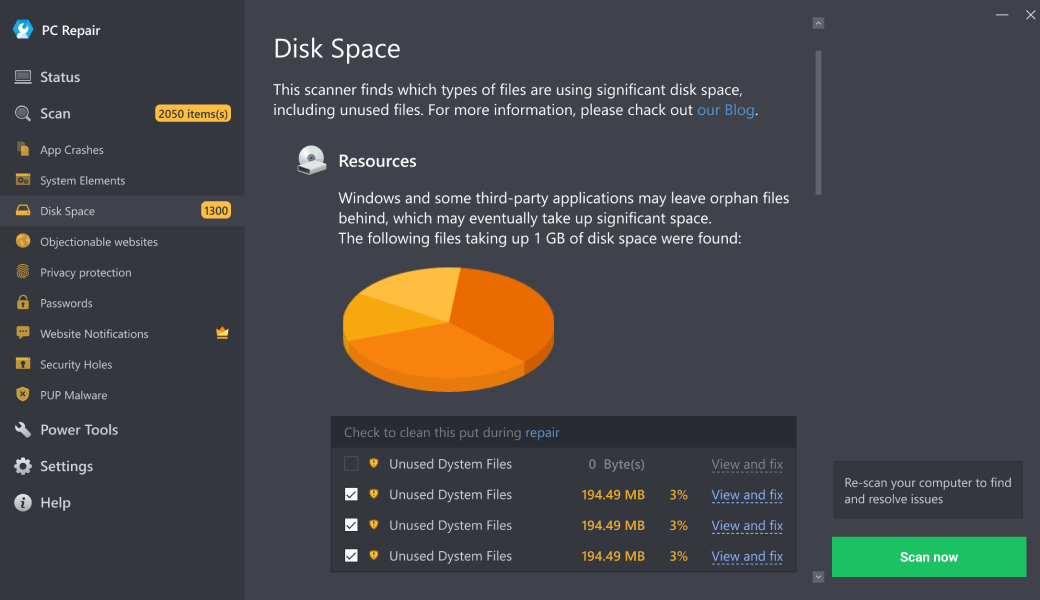
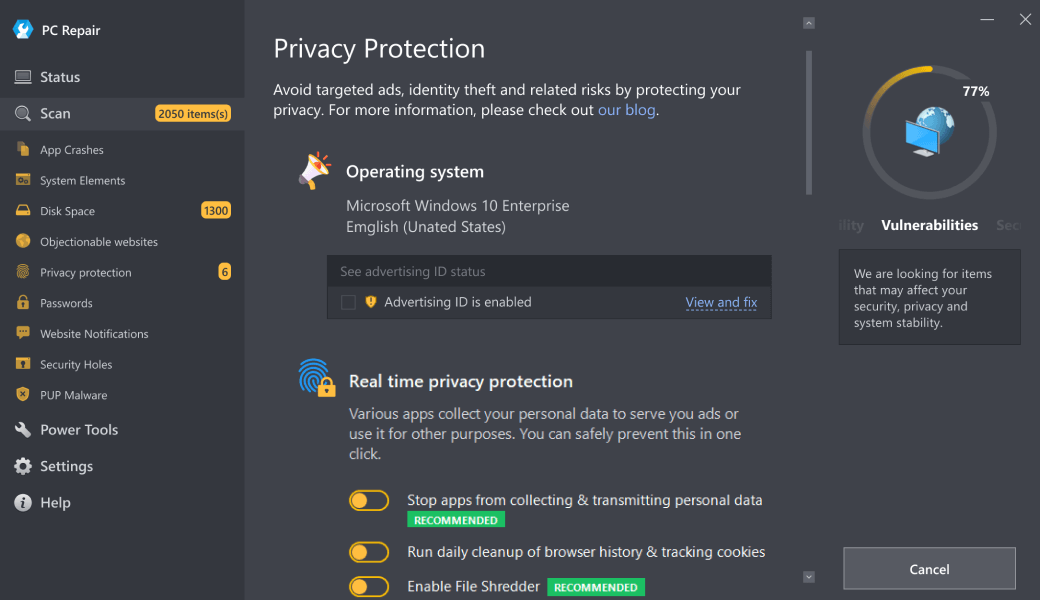
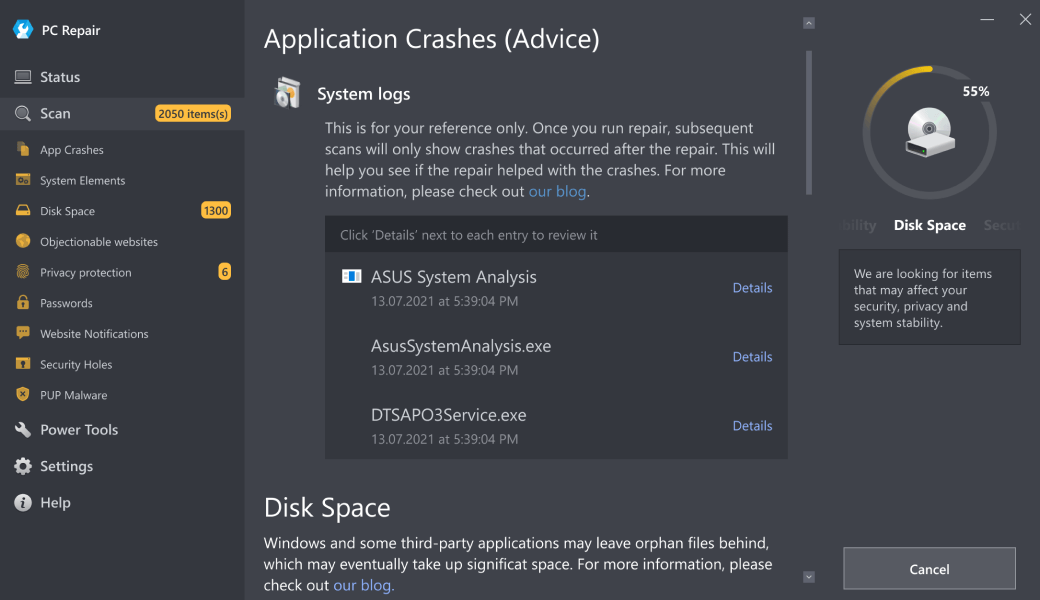
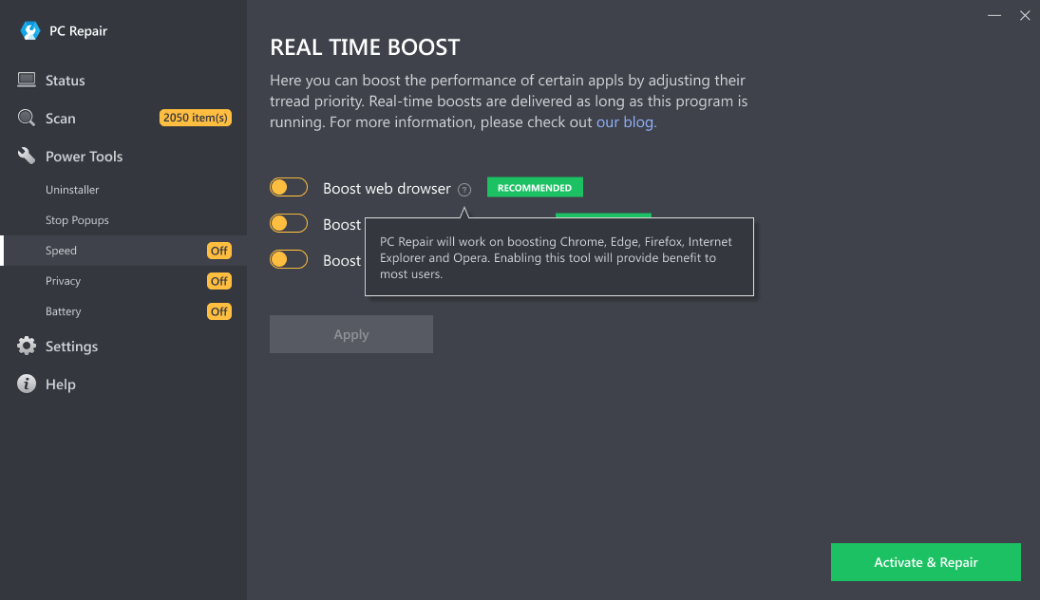
For users facing persistent or complex permission issues—such as intertwined registry corruption, systemic policy issues, or recurring access denials across multiple accounts—an automated repair tool can provide a time-efficient and comprehensive resolution. Outbyte PC Repair is a professional-grade utility designed to address such scenarios by automatically diagnosing and correcting system misconfigurations, restoring default permissions, repairing corrupted system files, and optimizing overall system health without requiring manual registry or file system intervention. It is particularly valuable when manual methods prove insufficient or when maintaining system stability is a priority, offering a consolidated approach to issue resolution and performance enhancement through its structured scanning and repair modules.
Download Outbyte PC Repair for automated issue diagnosis and repair (compatible with Windows 8/10/11).Special offer. See more information about Outbyte; uninstall instructions; EULA; Privacy Policy.
MAIN CAUSES
1. Insufficient User Account Privileges
The most common cause occurs when your user account lacks administrative rights. Standard user accounts cannot perform system-level changes, install software, or modify protected system files. Windows requires explicit administrator permissions for these operations to prevent unauthorized system modifications.
2. User Account Control (UAC) Restrictions
Windows UAC security feature intentionally blocks administrative access even for admin accounts when it detects potentially unsafe operations. UAC operates at different security levels, and higher settings may require explicit approval for administrative tasks, sometimes appearing as access denial if not properly acknowledged.
3. Group Policy Restrictions
In domain or organizational environments, Group Policy settings can explicitly deny administrative access to specific users or groups. System administrators configure these policies to maintain security compliance and prevent unauthorized system modifications that could compromise network integrity.
4. File and Folder Permissions
Individual files, folders, or registry keys may have specific security permissions that deny administrative access. This includes system-protected locations, files marked as read-only, or objects with explicit "Deny" permissions set for administrators in their security descriptors.
5. Corrupted User Profile
A damaged user profile can cause permission inconsistencies where the system fails to properly recognize your administrative privileges. Profile corruption may result from improper shutdowns, disk issues, or malware infections affecting user account database integrity.
6. Security Software Interference
Antivirus programs and security suites sometimes misinterpret legitimate administrative actions as potential threats. These applications may block access to system areas or prevent elevation requests as part of their protective measures against privilege escalation attacks.
7. System Integrity Protection
Modern Windows versions include enhanced security features like Windows Defender Application Guard and Core Isolation that deliberately restrict administrative access to protected memory spaces and system processes to prevent malware from gaining system control.
CONCLUSION
Maintaining proper system access and administrative privileges requires consistent attention to computer maintenance practices. Regular system upkeep not only prevents access issues but also ensures optimal performance and security for your daily computing needs. Implement a comprehensive maintenance routine that includes periodic disk cleanup to remove temporary files that can corrupt user profiles, regular malware scans to prevent security software conflicts, and systematic updates to keep both Windows and your applications current with the latest security patches.
For ongoing system maintenance, consider establishing these practices: perform weekly disk cleanup operations, run monthly malware scans with updated definitions, conduct quarterly disk defragmentation (for HDDs) or optimization (for SSDs), maintain regular backup schedules for critical data, monitor startup programs to prevent system resource conflicts, and periodically review installed applications to remove unnecessary software that might create permission issues. Tools like Outbyte PC Repair can automate many of these maintenance tasks, providing systematic registry cleaning, junk file removal, and performance optimization that help prevent permission-related issues.
When encountering persistent administrative access issues despite proper maintenance, it's advisable to seek technical assistance. Professional support becomes necessary when you experience recurring permission issues across multiple applications, cannot access critical system tools, or suspect deeper system corruption. Remember that reliable system access is fundamental to productive computing, and investing in proper maintenance ensures that your computer remains a dependable tool rather than a source of frustration. Establishing consistent care routines ultimately saves time and prevents the productivity losses associated with system access problems and performance degradation.
| Trial limitation: | Category-based repair access for at least 2 days |
| Price (full version): | From $29.95 |

The following steps should resolve the administrator-access-denied issue:
- Step 1. Download Outbyte PC Repair application See more information about Outbyte; uninstall instructions; EULA; Privacy Policy.
- Step 2. Install and launch the application
- Step 3. Click the Scan Now button to detect issues and abnormalities
- Step 4. Click the Repair All button to resolve the issues
| Compatibility | Win 11, 10, 8 |
| Download Size | 28 MB |
| Requirements | 300 MHz Processor, 256 MB RAM, 101 MB disk space |
Limitations: The trial version offers unlimited scans, backups, and restores. Full version registration starts at $29.95.

Outbyte PC Repair (version 1.1.12.641) is certified by AppEsteem – a trusted cybersecurity organization – with ongoing monitoring.
Being able to meet all of AppEsteem’s strict requirements means that Outbyte PC Repair can be considered clean, safe, and transparent; and that it is compliant with the ethical and legal norms of distribution.
AppEsteem is one of the world’s most prominent cybersecurity organizations that contributes to the safety of more than 2 billion users. The company was founded by a team of experienced Microsoft cybersecurity specialists. Its mission is to create a safe space for computer and internet users where they are protected against cyber threats and deceptive or unethical practices.