How To Fix no sound on computer windows 10 in Windows
How To Fix no sound on computer windows 10 in Windows
When your Windows 10 computer suddenly loses all audio, it can be both confusing and disruptive to your daily activities. This common issue means that your computer is unable to produce any sound through its speakers or connected audio devices, even when you try to play music, videos, or system sounds. You might notice the sound icon in your taskbar showing a red "X" or a speaker with a prohibition symbol, indicating that no audio output device is detected or functioning properly.
This problem typically occurs after Windows updates, driver conflicts, incorrect audio settings, or when external speakers or headphones are disconnected or malfunctioning. While this article focuses on Windows 10, similar audio issues can affect Windows 11 and earlier versions like Windows 8.1 due to shared system architecture. The impact ranges from minor inconvenience during entertainment to significant productivity challenges if you rely on audio for meetings, presentations, or multimedia work.
Fortunately, this is rarely a hardware failure and most sound issues can be resolved through systematic troubleshooting of settings and drivers. Common related issues include "Audio services not responding," "No audio device installed," or issue codes like 0x80070005 and 0xc00d4e85. By following the proper steps in sequence, you can typically restore your computer's audio functionality without requiring professional technical support.
PREPARATION STEPS
Before troubleshooting sound issues, complete these preparatory measures to ensure system safety and eliminate common interference factors.
1. Create a System Restore Point
- Press Windows + S, type "Create a restore point," and select the result.
- In System Properties, click Create, name it (e.g., "Pre-Sound Resolve"), and confirm.
- *Purpose:* Allows safe rollback if system changes cause instability.
2. Back Up Critical Data
- Copy essential files (documents, media) to an external drive or cloud storage.
- Use File History (Settings > Update & Security > Backup) or manual copying.
- *Purpose:* Prevents data loss during unexpected system modifications.
3. Temporarily Disable Antivirus/Firewall
- Right-click your antivirus icon in the system tray and choose "Disable" or "Turn Off" for 10–15 minutes.
- For Windows Security, go to Settings > Update & Security > Windows Security > Virus & threat protection > Manage settings, and toggle "Real-time protection" off.
- *Purpose:* Rules out security software blocking audio drivers or processes.
4. Check Physical Connections
- Ensure speakers/headphones are properly connected, powered on, and volume is up.
- Test with alternate audio devices to rule out hardware failure.
- *Purpose:* Confirms the issue is software-related, not physical.
STEP-BY-STEP FIXES
Apply these manual solutions in sequence if no sound persists after preparation.
Method 1: Run Audio Troubleshooter & Restart Services
1. Open Settings > Update & Security > Troubleshoot > Additional troubleshooters.
2. Select "Playing Audio" and run the troubleshooter, applying recommended resolves.
3. Open Services (press Windows + R, type `services.msc`).
4. Locate and restart these services:
- Windows Audio
- Windows Audio Endpoint Builder
- Remote Procedure Call (RPC)
5. Right-click each, choose Restart if running, or Start if stopped.
Method 2: Update/Reinstall Audio Drivers
1. Press Windows + X, select Device Manager.
2. Expand "Sound, video and game controllers," right-click your audio device, and choose Update driver.
3. Select "Search automatically for updated driver software."
4. If no update found, right-click the device again and choose Uninstall device. Check "Delete the driver software for this device" if prompted.
5. Restart your PC to trigger automatic driver reinstallation.
   ```
   Warning: Uninstalling drivers may temporarily disable audio until reboot.
   ```
Method 3: Modify Default Audio Format & Enable Devices
1. Right-click the speaker icon in the system tray, select Sounds > Playback tab.
2. Right-click your default playback device (e.g., Speakers), ensure it’s Enabled; if not, select "Enable."
3. Click Properties > Advanced tab, and under "Default Format," try a different sample rate (e.g., 16 bit, 44100 Hz).
4. Check "Allow applications to take exclusive control" if unchecked.
5. Apply changes and test audio.
ADVANCED SOLUTION OPTION
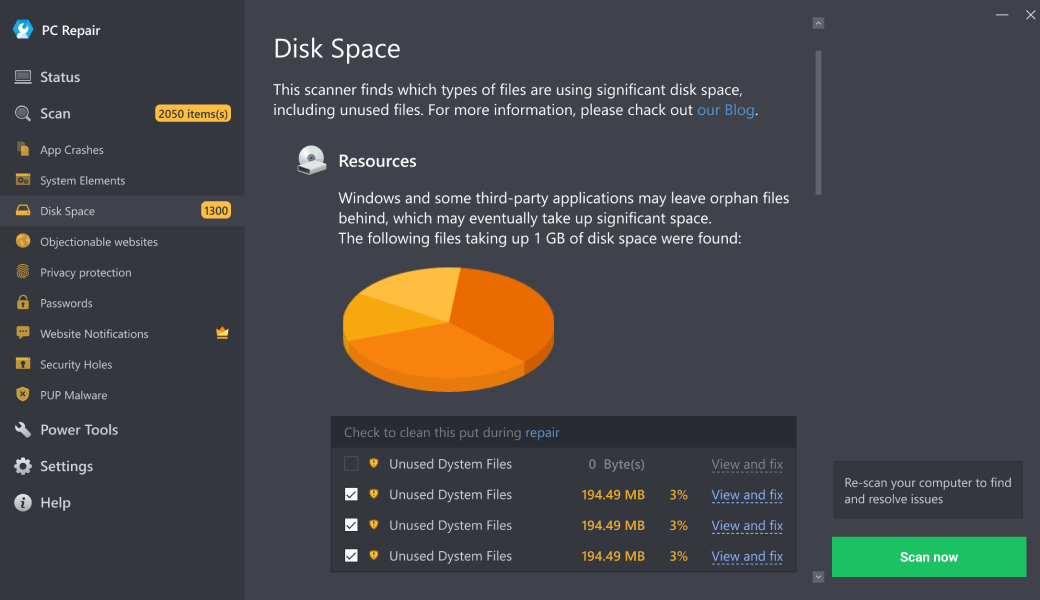
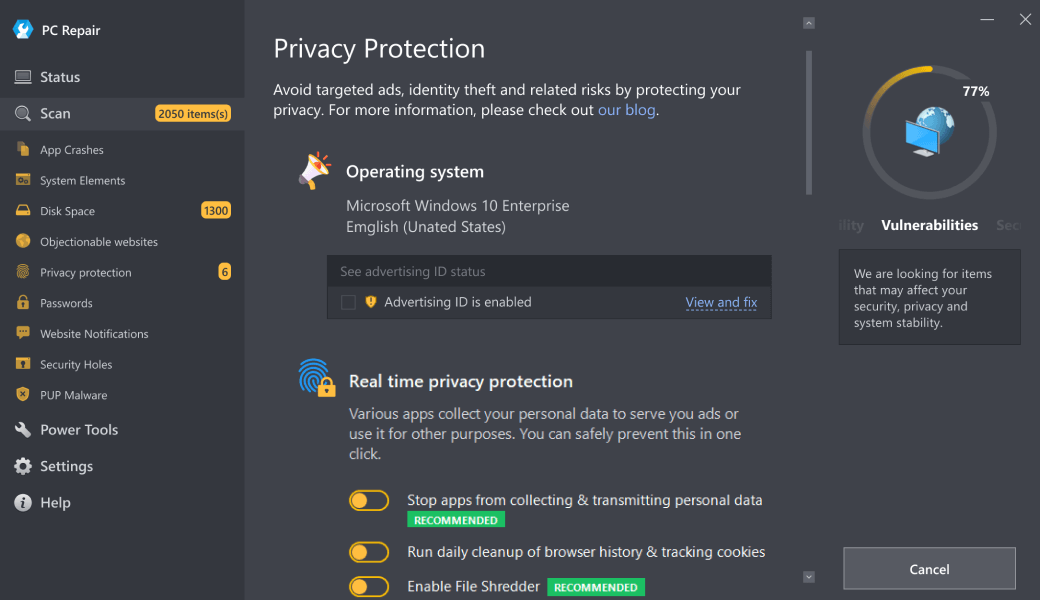
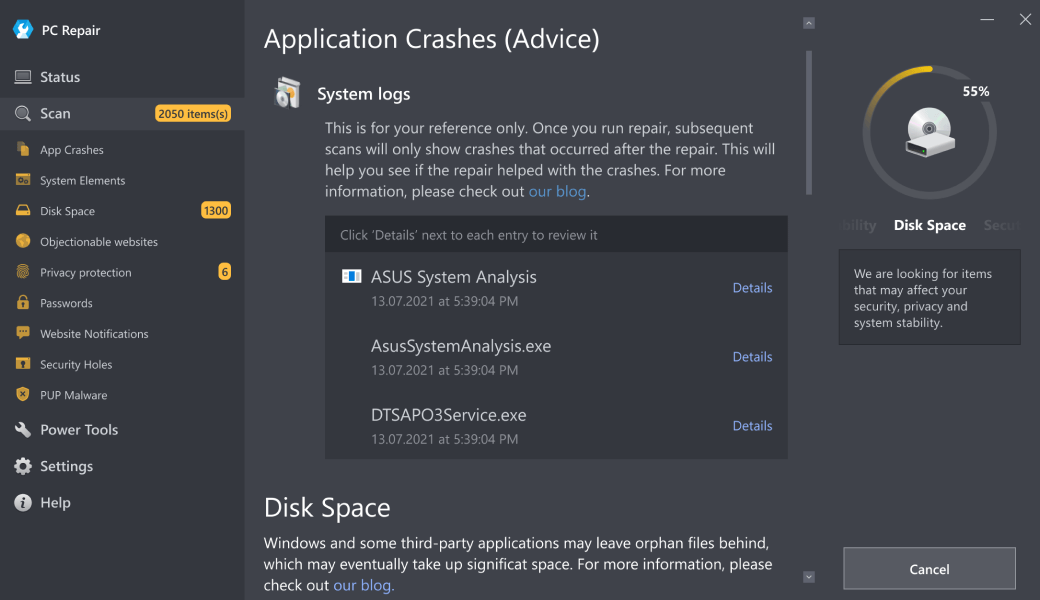
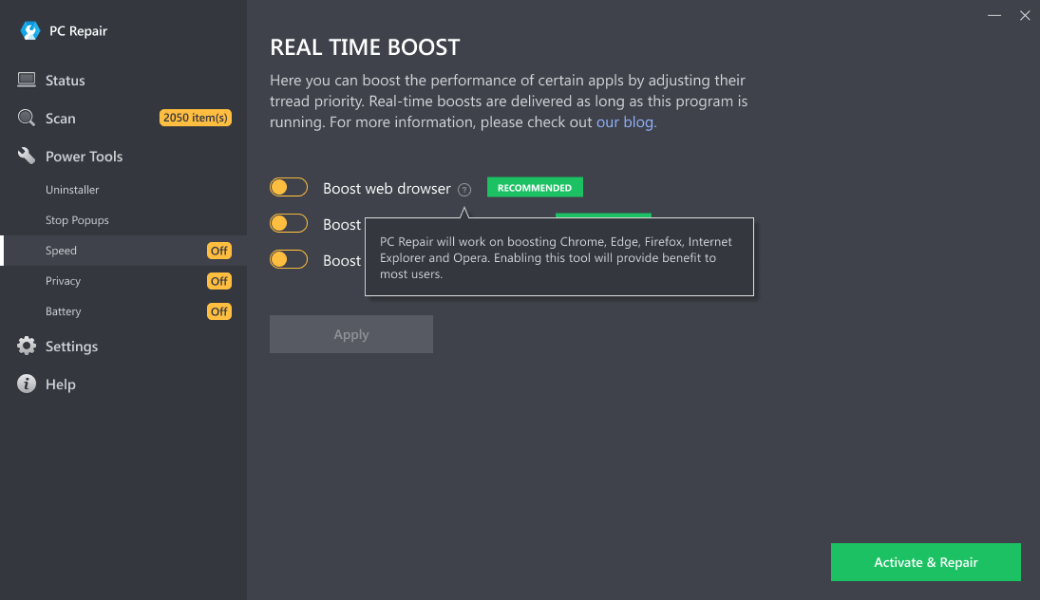
For persistent or complex sound issues—such as those involving corrupted system files, registry issues, or deep-seated driver conflicts—manual methods may be time-consuming or insufficient. In such cases, employing a dedicated PC repair tool like Outbyte PC Repair can provide a streamlined resolution. It automates diagnostics for common audio problems, repairs invalid registry entries affecting sound services, updates outdated or conflicting drivers, and optimizes system performance without requiring advanced technical knowledge. This approach is particularly valuable when you need a comprehensive system health check alongside targeted issue resolution, ensuring both immediate sound restoration and ongoing system stability through its maintenance features.
Download Outbyte PC Repair for automated issue diagnosis and repair (compatible with Windows 8/10/11).Special offer. See more information about Outbyte; uninstall instructions; EULA; Privacy Policy.
Of course. Here is a detailed breakdown of the potential causes and a professional conclusion for resolving the "no sound" issue on a Windows 10 computer.
MAIN CAUSES
A loss of audio in Windows 10 can stem from a wide range of issues, from simple user issue to complex driver conflicts. Systematically checking these areas is the most efficient path to resolution.
1. Incorrect Audio Output Device Selection: Windows may be routing audio to a device that is not in use or is incapable of playback. This is common after connecting new peripherals like monitors, Bluetooth headphones, or USB headsets, as Windows can set them as the default device and not switch back.
* Technical Detail: The Windows Audio Endpoint Builder service manages audio devices. If the default audio endpoint is set to a disconnected or non-functional device, audio playback will fail.
2. Corrupted, Outdated, or Incompatible Audio Drivers: The audio driver is the essential software that allows your operating system to communicate with your sound card or audio chipset. These drivers can become corrupted by Windows updates, conflicting software installations, or malware.
* Technical Detail: A driver conflict or corruption can cause the associated Windows service (e.g., Windows Audio) to fail to start or function erratically, resulting in an issue state reported by the audio graph isolation process (`Audiodg.exe`).
3. Accidentally Muted Audio or Application-Specific Volume: The system volume or the volume for a specific application might be set to zero. This can happen easily via keyboard shortcuts or by accidentally dragging a slider in the volume mixer.
* Technical Detail: The Windows Audio Session API (WASAPI) manages per-application audio streams. If an application's audio session volume is muted or set to 0%, no audio data will be passed to the audio engine, regardless of the system master volume level.
4. Disabled or Malfunctioning Windows Audio Services: Core Windows services are required for audio processing. If these services are disabled, stopped, or have encountered an issue, the entire audio subsystem will be non-functional.
* Technical Detail: The "Windows Audio" service is directly responsible for managing audio for Windows-based programs. If this service is not running, its dependent service, "Windows Audio Endpoint Builder," cannot function, breaking the entire audio pipeline.
5. Hardware Failure or Connection Issues: The problem could be physical. This includes faulty speakers or headphones, loose cable connections (especially the 3.5mm jack), a disabled or failed onboard audio chipset in the BIOS/UEFI, or a malfunctioning PCIe sound card.
* Technical Detail: The hardware abstraction layer (HAL) may fail to initialize the audio hardware if it is physically disconnected, receives no power, or has a fundamental hardware fault that prevents it from being enumerated correctly by the system.
6. Audio Enhancements or Format Conflicts: Third-party audio enhancement software from your PC or sound card manufacturer can sometimes conflict with Windows updates or specific audio formats, causing the audio stream to drop out.
* Technical Detail: Audio enhancements process the digital signal before output. A buggy enhancement can cause a buffer underrun or an unsupported sample rate/bit depth, leading the driver to halt playback to prevent more serious issues.
CONCLUSION
Resolving a "no sound" issue in Windows 10 is typically a process of methodical troubleshooting, moving from the simplest software checks to more complex driver and hardware diagnostics. The causes outlined above provide a clear roadmap for this process, starting with verifying physical connections and default playback devices before progressing to driver updates and service restarts. This systematic approach not only resolves the immediate problem but also reinforces the importance of understanding your system's basic configuration.
To minimize the recurrence of such issues and maintain optimal system performance, adopting a proactive maintenance routine is crucial. A well-maintained PC is less susceptible to driver corruption, software conflicts, and performance degradation that can manifest as audio problems and other instabilities. It is recommended that you integrate the following practices into your regular computer usage:
- Regularly Update Windows: Install all quality and security updates, as they often include resolves for known driver and system conflicts.
- Maintain Updated Drivers: Periodically check for driver updates from your motherboard or PC manufacturer's website, especially after a major Windows update.
- Utilize a Dedicated Maintenance Tool: Consider using a reputable PC optimization and repair tool like Outbyte PC Repair. Such utilities can automate the process of scanning for common system issues, cleaning obsolete registry entries, and repairing corrupted system files that can affect audio and overall stability.
- Perform Regular Malware Scans: Use Windows Security or a trusted thirdparty antivirus solution to ensure your system is free from malware that can disable system functions.
- Manage Startup Programs: Limit the number of applications that launch at startup to reduce potential software conflicts and free up system resources.
- Create System Restore Points: Before installing new software or major drivers, create a system restore point to provide a safe recovery path if problems arise.
While many audio issues can be resolved through these steps, persistent problems may indicate a deeper hardware fault. If you have exhausted all software troubleshooting and continue to experience issues, it may be necessary to seek professional technical assistance for hardware diagnostics. Ultimately, consistent system care is the most effective strategy for ensuring a reliable and frustration-free computing experience, allowing you to focus on your work and entertainment without interruption.
| Trial limitation: | Category-based repair access for at least 2 days |
| Price (full version): | From $29.95 |

The following steps should resolve the no-sound-on-computer-windows-10 issue:
- Step 1. Download Outbyte PC Repair application See more information about Outbyte; uninstall instructions; EULA; Privacy Policy.
- Step 2. Install and launch the application
- Step 3. Click the Scan Now button to detect issues and abnormalities
- Step 4. Click the Repair All button to resolve the issues
| Compatibility | Win 11, 10, 8 |
| Download Size | 28 MB |
| Requirements | 300 MHz Processor, 256 MB RAM, 101 MB disk space |
Limitations: The trial version offers unlimited scans, backups, and restores. Full version registration starts at $29.95.

Outbyte PC Repair (version 1.1.12.641) is certified by AppEsteem – a trusted cybersecurity organization – with ongoing monitoring.
Being able to meet all of AppEsteem’s strict requirements means that Outbyte PC Repair can be considered clean, safe, and transparent; and that it is compliant with the ethical and legal norms of distribution.
AppEsteem is one of the world’s most prominent cybersecurity organizations that contributes to the safety of more than 2 billion users. The company was founded by a team of experienced Microsoft cybersecurity specialists. Its mission is to create a safe space for computer and internet users where they are protected against cyber threats and deceptive or unethical practices.